
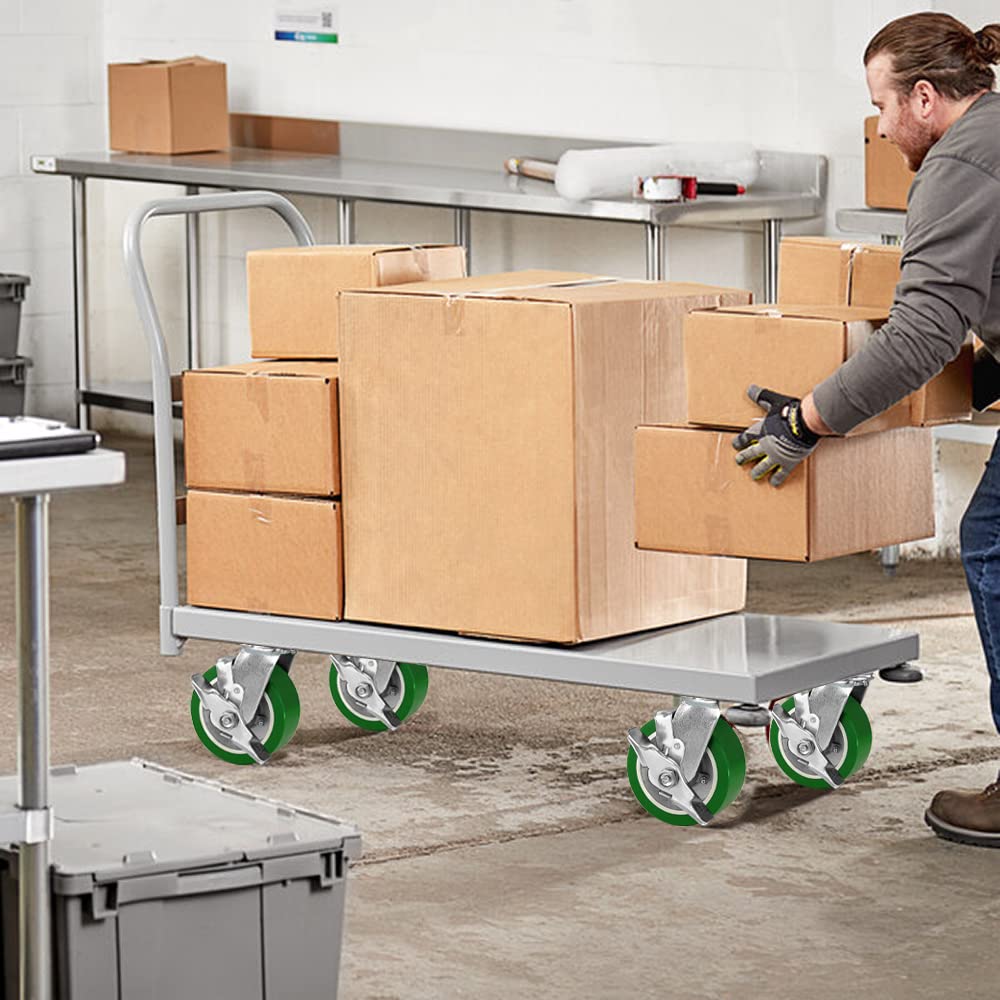
Wheel casters are indispensable in industries like logistics, healthcare, and manufacturing, enabling smooth and efficient movement of equipment and goods. However, to ensure their durability and functionality, proper maintenance is essential. Without regular upkeep, casters can degrade quickly, leading to operational inefficiencies, safety concerns, and increased replacement costs.
In this article, we explore the best practices for maintaining wheel casters, offering practical advice for extending their lifespan and ensuring optimal performance.
Regular maintenance prevents wear and tear, ensuring that wheel casters serve their purpose for an extended period.
Damaged or poorly maintained casters can lead to equipment instability, posing risks to workers and goods. Proper care minimizes these hazards.
Well-maintained casters reduce resistance during movement, saving time and energy in industrial or commercial operations.
Before diving into maintenance practices, it’s important to understand the common problems that can affect wheel casters:
Flat spots develop due to prolonged stationary loads or uneven surfaces. These can hinder smooth movement and increase resistance.
Casters often rely on bearings for swivel and wheel motion. Over time, dirt and friction can cause bearings to wear out.
Metal casters, especially those used in damp or outdoor environments, are prone to rust and corrosion, which weakens their structure.
Dirt, hair, and debris can wrap around wheels or axles, obstructing movement and causing premature damage.
Frequent visual checks can help identify issues before they escalate. During inspections:
Debris buildup is a common problem, but it’s easy to address with regular cleaning:
Proper lubrication reduces friction, ensuring smooth operation:
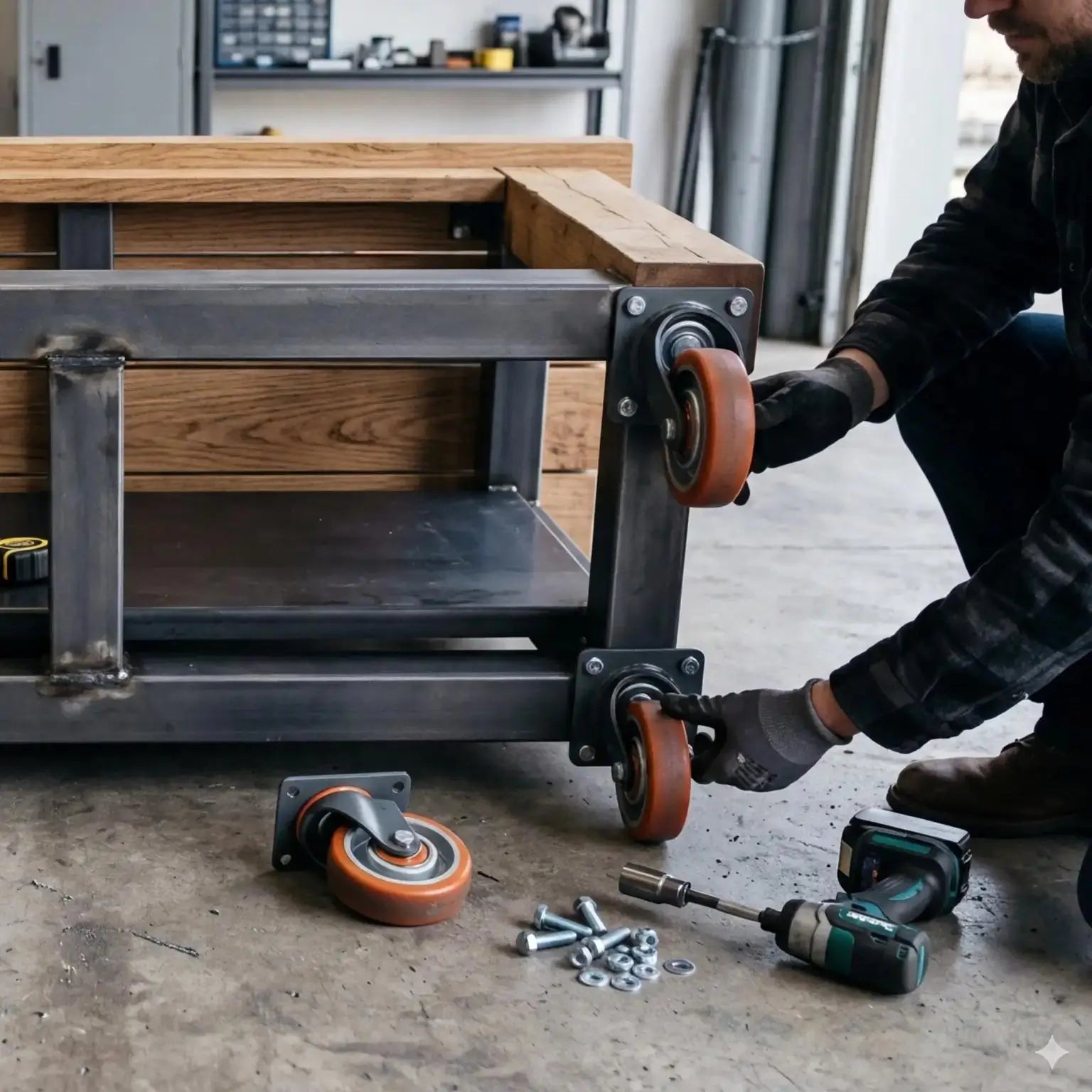
Over time, bolts and nuts securing the casters may loosen:
Overloading casters can lead to structural damage and reduced functionality:
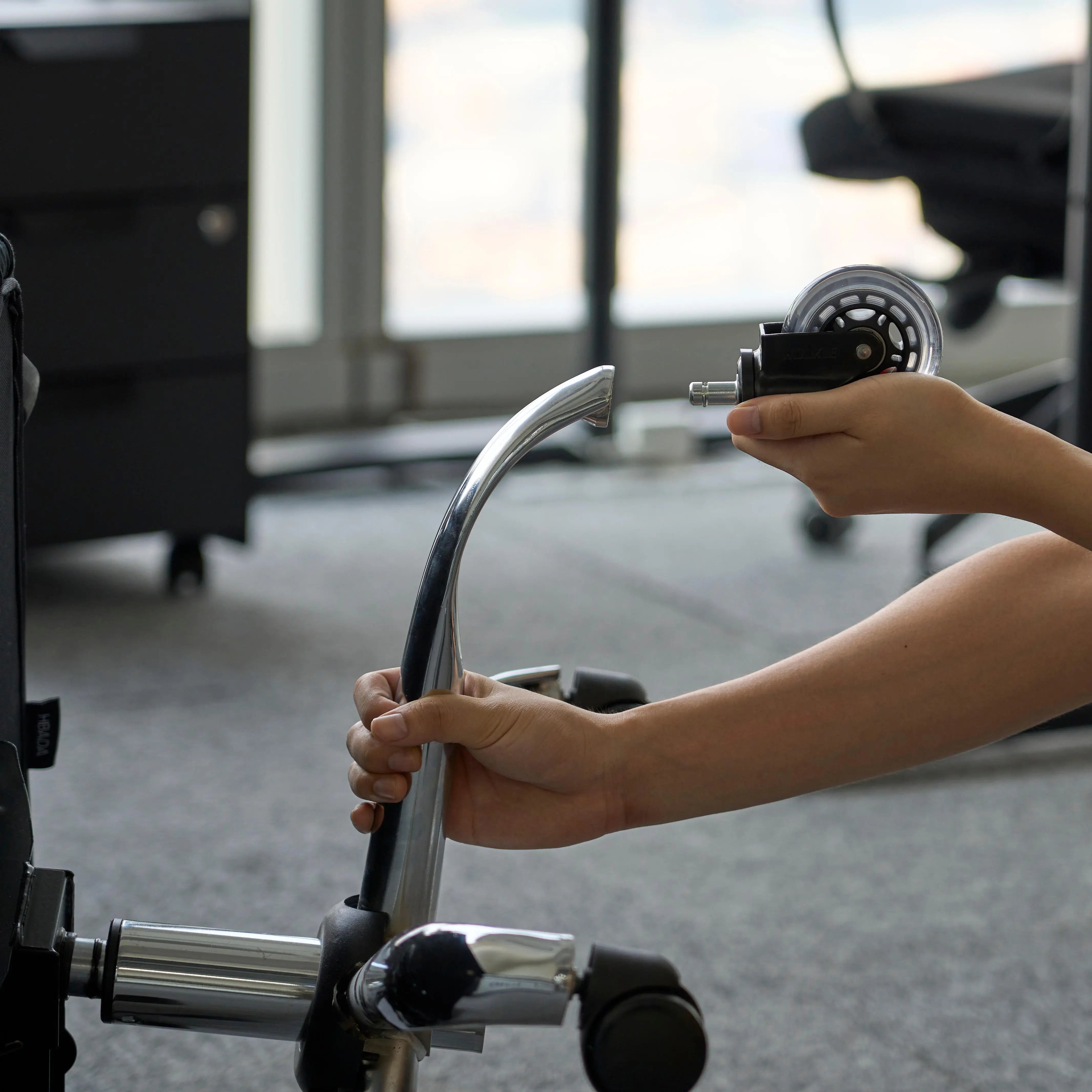
Timely replacement of damaged parts prevents further issues:
Wheel casters are used in a variety of settings, each with unique challenges. Here’s how to adapt maintenance practices accordingly:
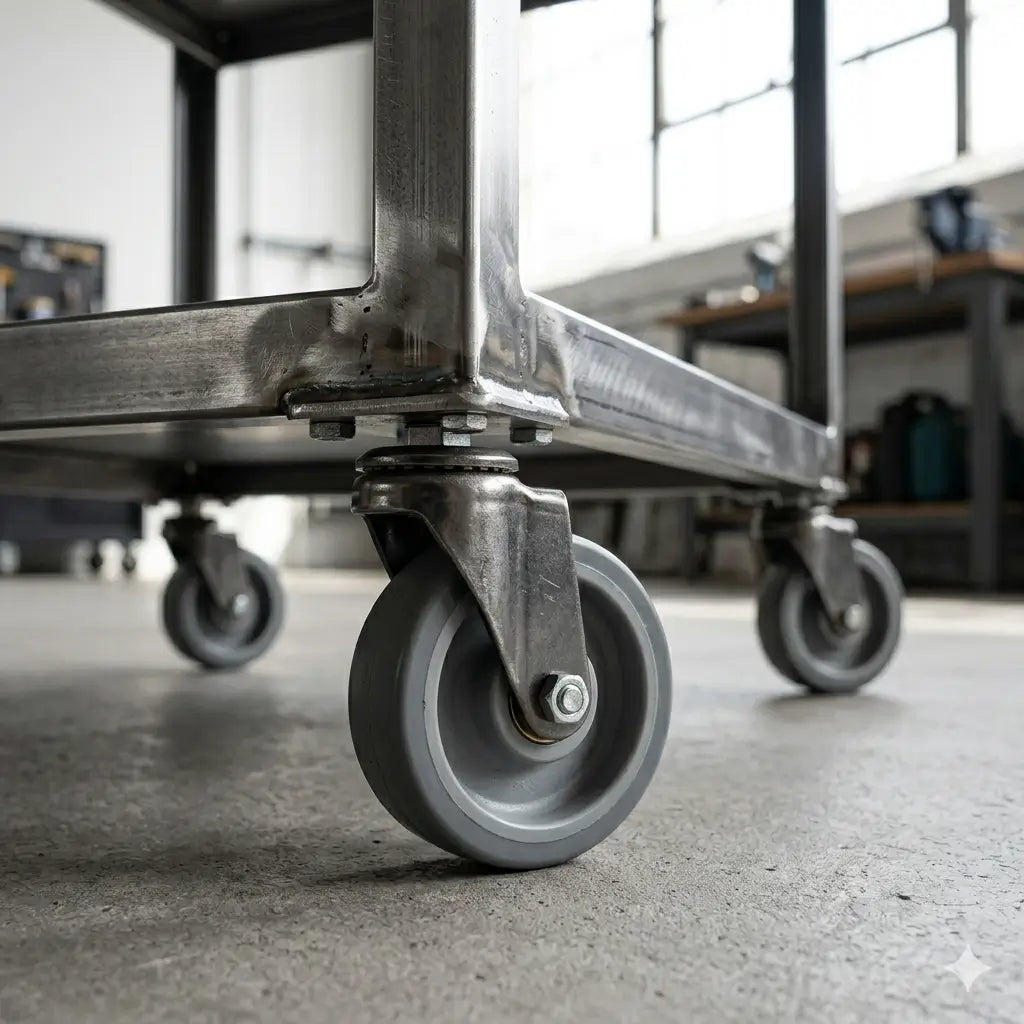
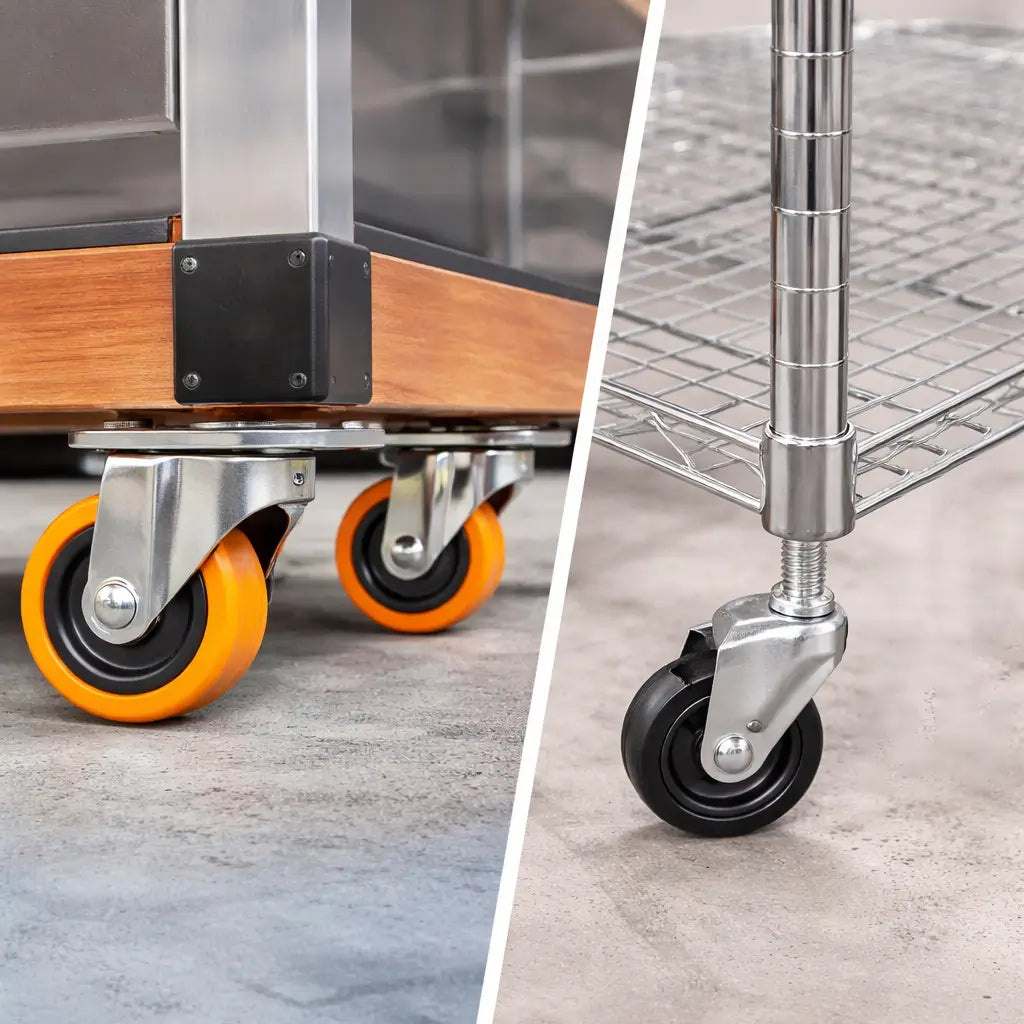
Prevention is better than cure, and choosing the right casters can reduce maintenance requirements:
Ensure the caster’s load rating matches your requirements. Opt for industrial-grade casters for demanding applications.
Consider casters with features like brakes, anti-corrosion coatings, or shock-absorbing mechanisms for added functionality and reduced wear.
Maintaining wheel casters may seem like a minor task, but it significantly impacts their performance, longevity, and safety. By adopting best practices like regular inspections, thorough cleaning, and proper lubrication, businesses can maximize the efficiency of their caster-equipped equipment.
Whether in an industrial warehouse, a bustling hospital, or an outdoor setting, following these maintenance tips ensures that casters remain reliable and functional. With the right approach, you can avoid costly replacements, enhance productivity, and extend the life of your wheel casters for years to come.


Beyond Static Load: Understanding Dynamic, Shock, and Impact Ratings for Caster Selection
What Are the Benefits of Using Wheel Casters in Industrial Applications?