

In the world of mobility solutions, not all stem casters are created equal. While a standard industrial caster might suffice for a warehouse cart, a medical-grade stem caster operates under a completely different set of engineering rules. This blog post dives into the mechanics, materials, and safety protocols that elevate a simple wheel into a life-critical component.
Looking for a wide range of stem casters for various applications? Visit our collection: holkieusa.com/collections/stem-casters
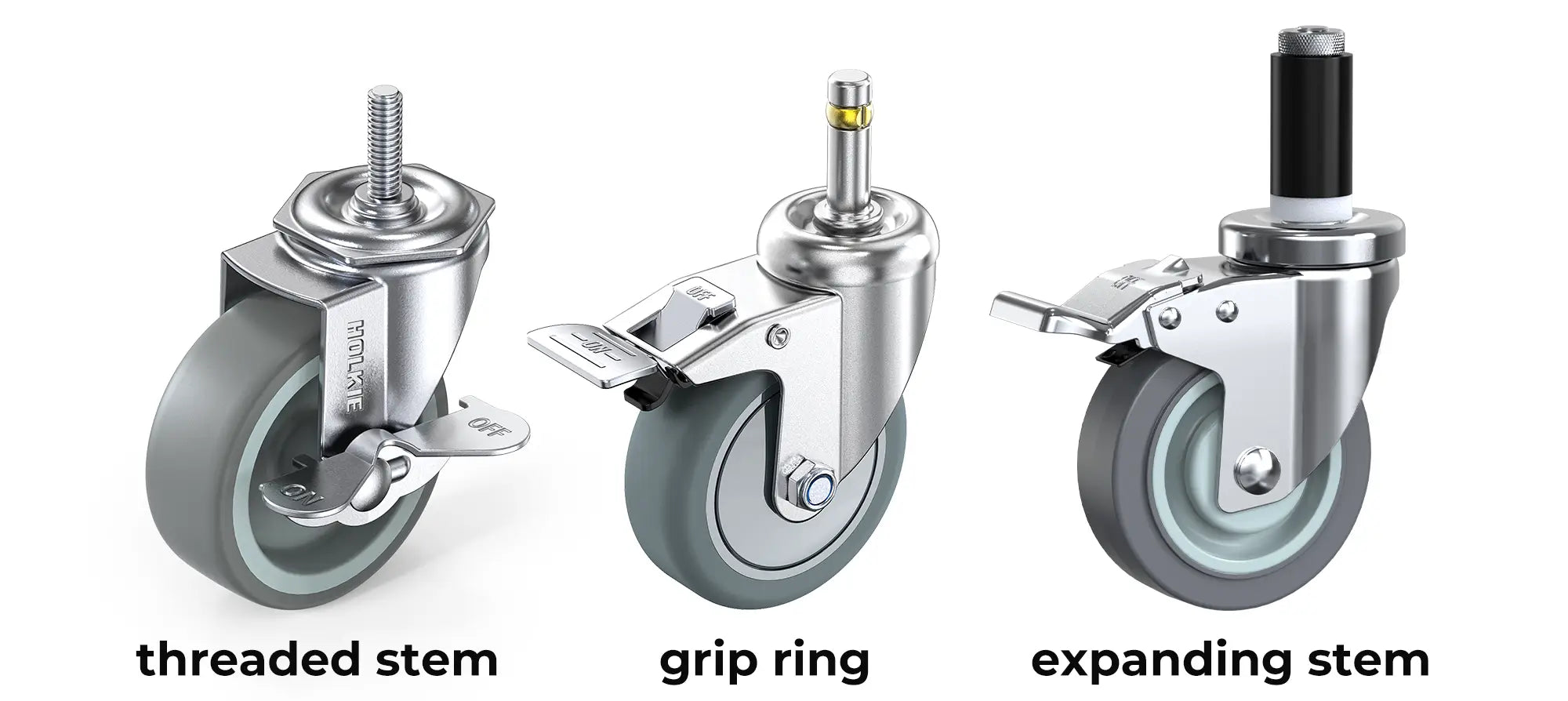
Medical environments demand silence and zero vibration. A standard caster often uses loose ball bearings, but medical-grade stem casters employ ABEC-5 or higher precision bearings. This reduces rolling resistance, allowing a nurse to move a 300 lb IV pump with one finger. The "stem" itself—whether a grip ring, threaded, or expanding stem—is machined to tolerances of 0.01mm to eliminate wobble, a critical factor when transporting a patient on a surgical bed.
Poor caster mechanics lead to "caster shimmy"—a violent oscillation that destroys equipment frames. For hospital administrators, replacing damaged diagnostic machines is expensive. Medical-grade stem casters reduce maintenance cycles by 60%, directly improving Equipment ROI. The adjustable mobility features allow for fine-tuning after thousands of miles of travel down hospital corridors.
Unlike rigid industrial casters, many medical-grade options incorporate suspension casters technology. This dampens shocks when crossing door thresholds or elevator gaps, preventing sudden jarring that could dislodge a catheter or spill hot liquids. This is where caster mechanics meets workplace safety.
Industrial facilities worry about oil and metal shavings. Medical facilities worry about bloodborne pathogens, harsh cleaning agents (bleach, peroxide), and static discharge. The caster materials used in medical grades are fundamentally different.
While sustainability and green initiatives are growing, medical casters prioritize non-porous surfaces. You will find aluminum hubs with full-enclosed seals, or high-end polyurethane treads that resist yellowing under UV sterilization lights. Some manufacturers are now exploring recycled thermoplastics for non-critical components, aligning with sustainable materials goals without compromising on infection control.
Hospitals spend millions on seamless epoxy flooring. A metal chip from a cheap caster can gouge this floor, creating a bacteria trap. Medical-grade stem casters feature soft-but-durable treads (often 78-82 Shore A durometer) that offer superior floor protection. They are silent, leaving no black marks. This contrasts sharply with logistics mobility, where floor damage is often tolerated.
Industrial engineering focuses on moving weight from A to B. Medical engineering focuses on moving vulnerable humans. Workplace ergonomics and workplace safety are not buzzwords here; they are regulatory requirements (FDA, IEC 60601).
A medical-grade stem caster almost always features a "totally enclosed" brake mechanism. Standard industrial casters use exposed levers that catch on gowns and collect biofilm. Medical casters use sealed, pedal-operated brakes that a worker can engage with a foot without bending, reducing back strain (ergonomics). The brake locks both wheel and swivel simultaneously to meet hospital mobility safety codes.
In operating rooms, a static spark can ignite flammable anesthetic gases. Medical-grade stem casters are often required to be ESD-safe, conducting electricity away from the bed to the ground. This is a niche within specialized applications that standard industrial casters ignore.
Beyond hospitals, the DNA of medical-grade stem casters influences laboratory equipment (where vibration ruins samples), food processing (hygienic washdowns), and even cleanrooms for semiconductor manufacturing. Understanding these industry applications helps buyers select the correct stem type.
No two medical devices are identical. A CT scanner has different weight distribution than a bedside table. Therefore, many suppliers offer custom solutions for stem length, thread pitch, and offset. This is where caster selection becomes a science. A good selection guide will ask: "What is your floor gap? Your cleaning chemical? Your average speed?"
Many procurement officers make the mistake of buying cheap casters. Over a 5-year period, a $20 medical-grade stem caster outperforms a $5 industrial caster because it requires less caster maintenance. Maintenance logs show that debris entrapment is the #1 cause of failure. Medical casters use double-sealed bearings and flanged wheels to push debris away.
For facilities aiming for environmental mobility (moving equipment efficiently with less energy), the rolling resistance of a medical-grade caster can reduce the physical toll on staff, decreasing workplace injury claims. This directly ties to workplace ergonomics ROI.
If you are moving pallets in a warehouse, yes. But if your application requires adjustable mobility, absolute silence, chemical resistance, and failsafe braking, the engineering behind medical-grade stem casters is non-negotiable. Even if your products are not medical, understanding these principles helps you evaluate the quality of stem casters for your own industrial engineering projects.
Explore our full range of stem casters for industrial and commercial use at holkieusa.com/collections/stem-casters.
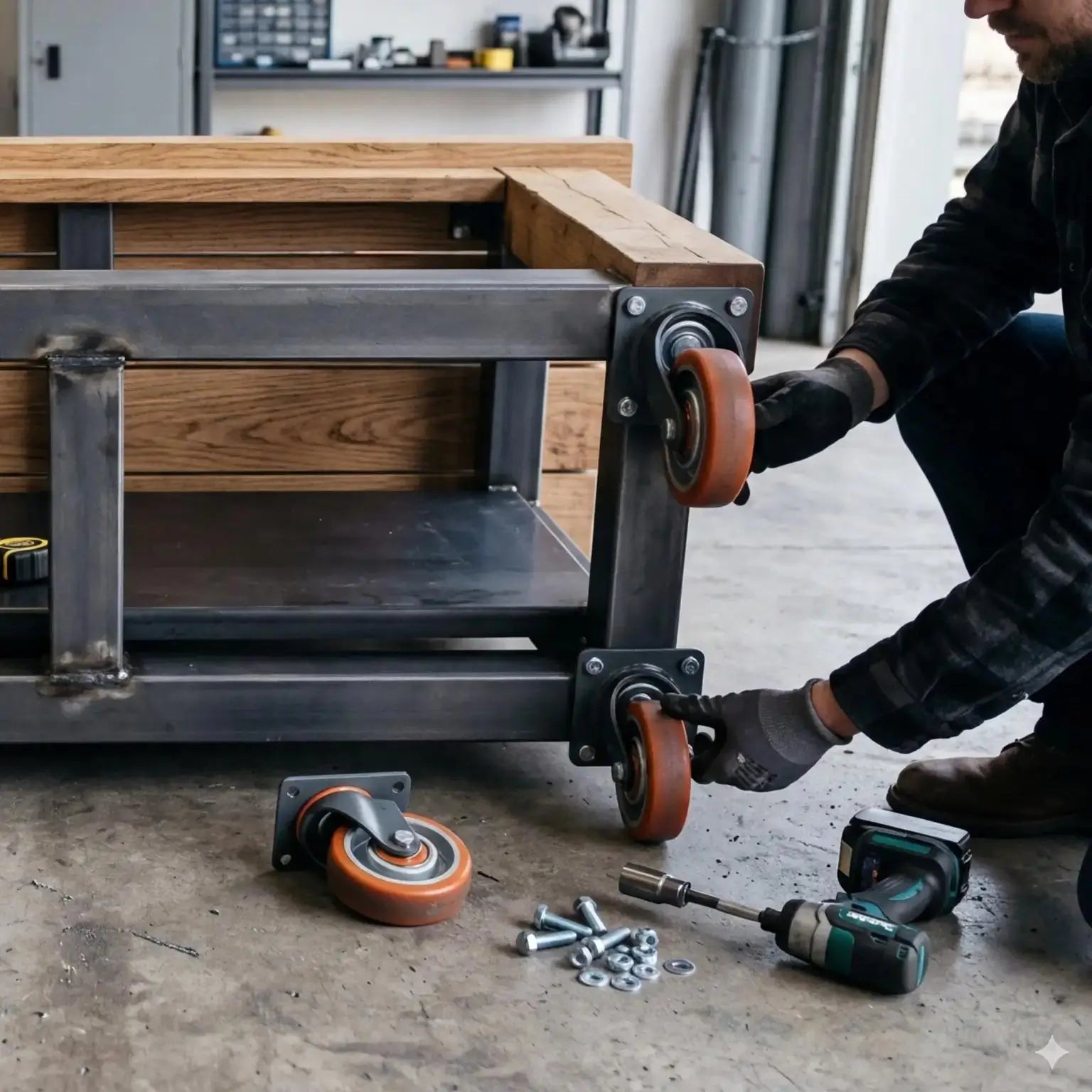

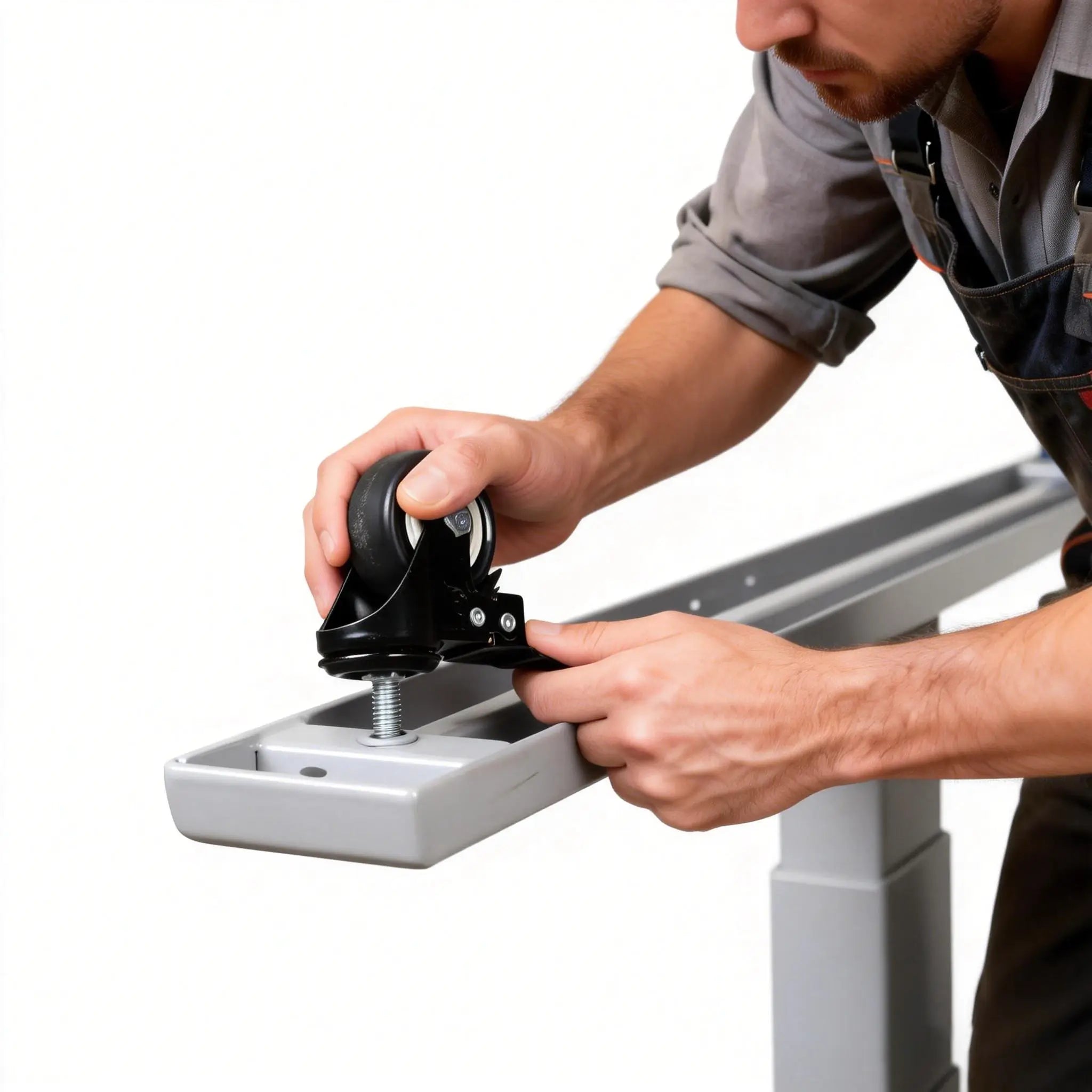
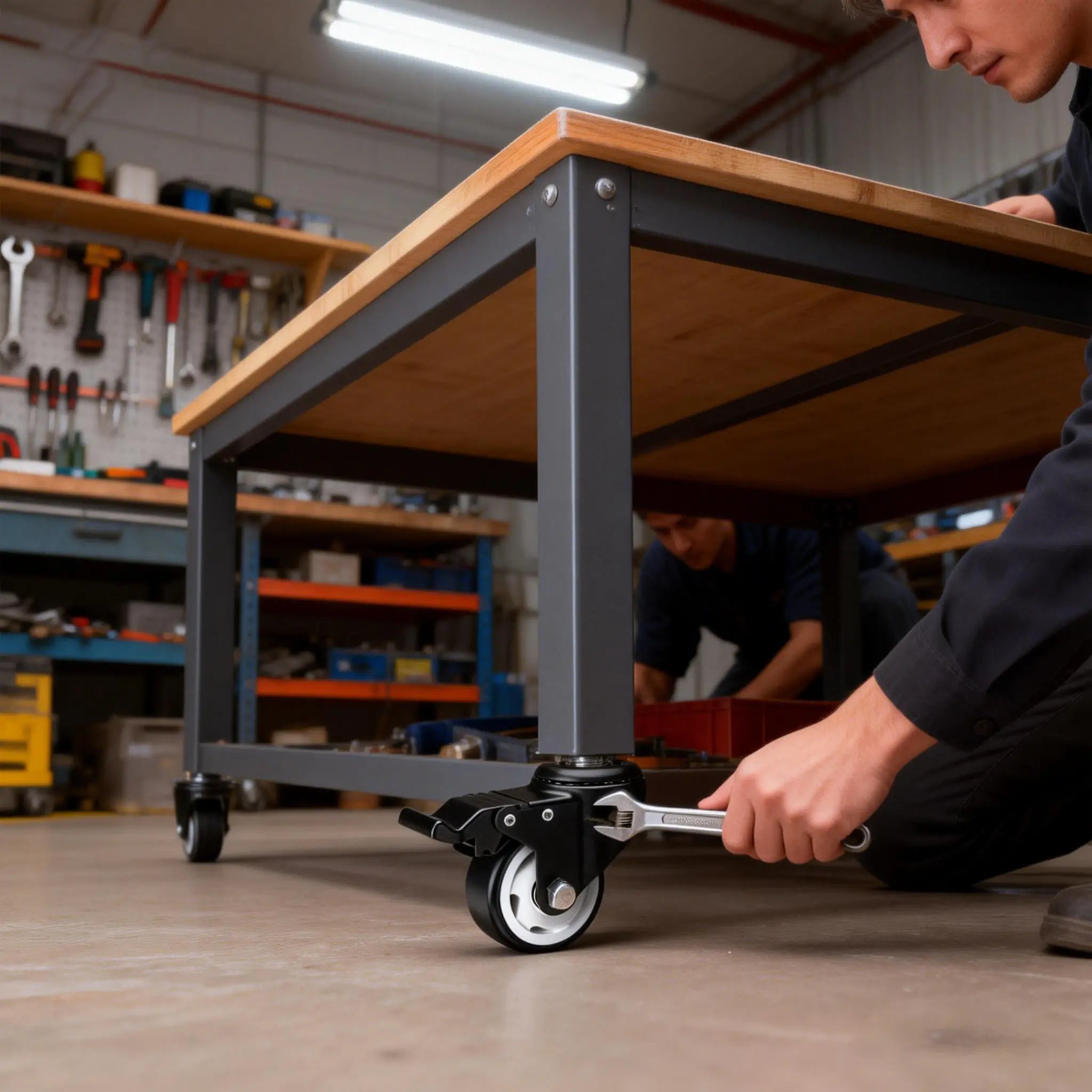
How to Install Plate Casters
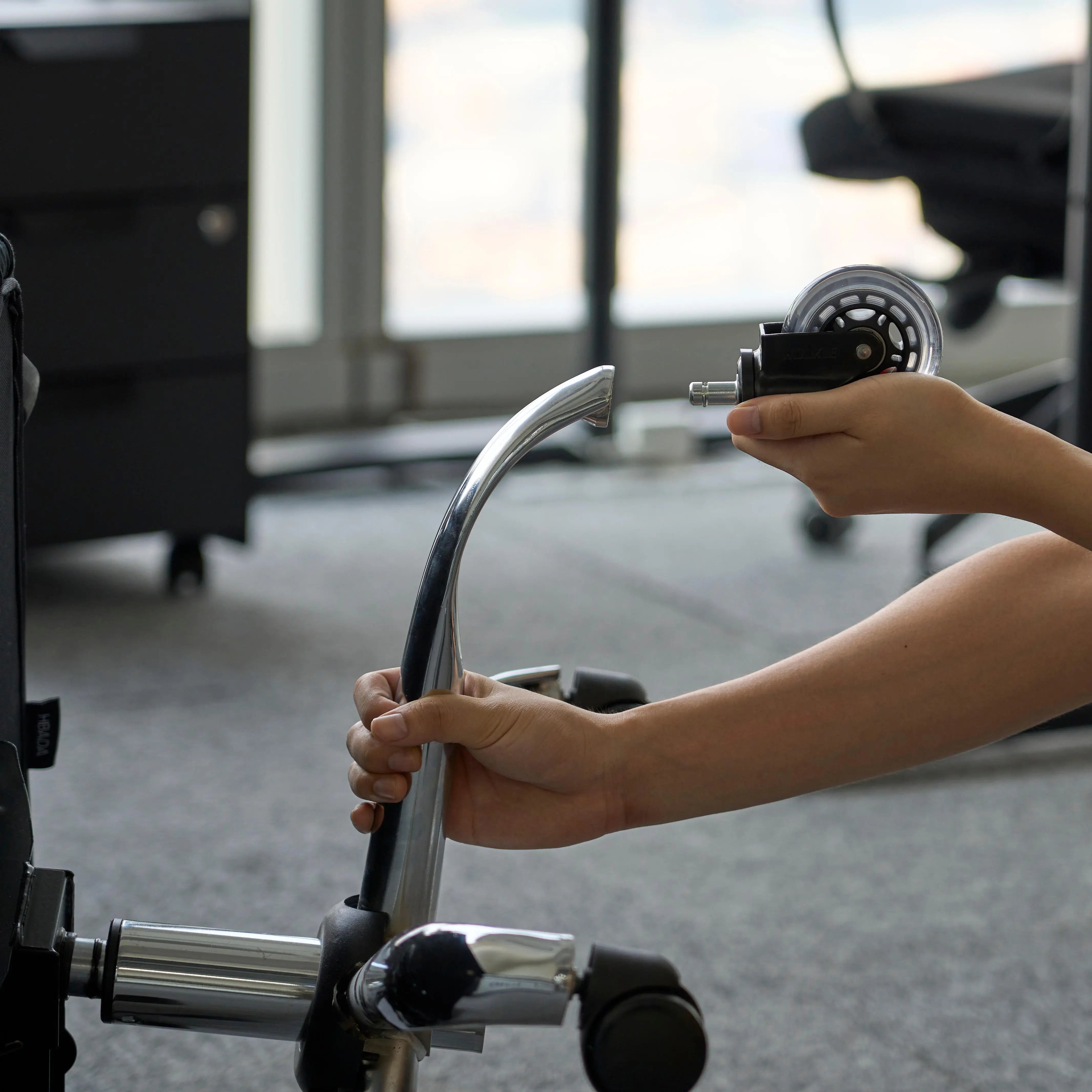
How to Remove Stem Casters