

Stem casters are widely used on office chairs, furniture, carts, shelving units, medical equipment, and light-duty industrial applications. Over time, caster wheels may wear out, stop swiveling smoothly, damage floors, or simply need replacement. Knowing how to remove stem casters correctly helps prevent damage to the mounting socket, furniture legs, or equipment frame.
Unlike threaded stem casters that require unscrewing, many standard stem casters use push-in designs such as grip ring stems, grip neck stems, or expanding stems. These require a completely different removal method. Using the wrong technique can bend the stem, crack the socket, or damage the equipment.
Before removing any caster, it is important to identify the stem type. Different stem designs require different removal methods.
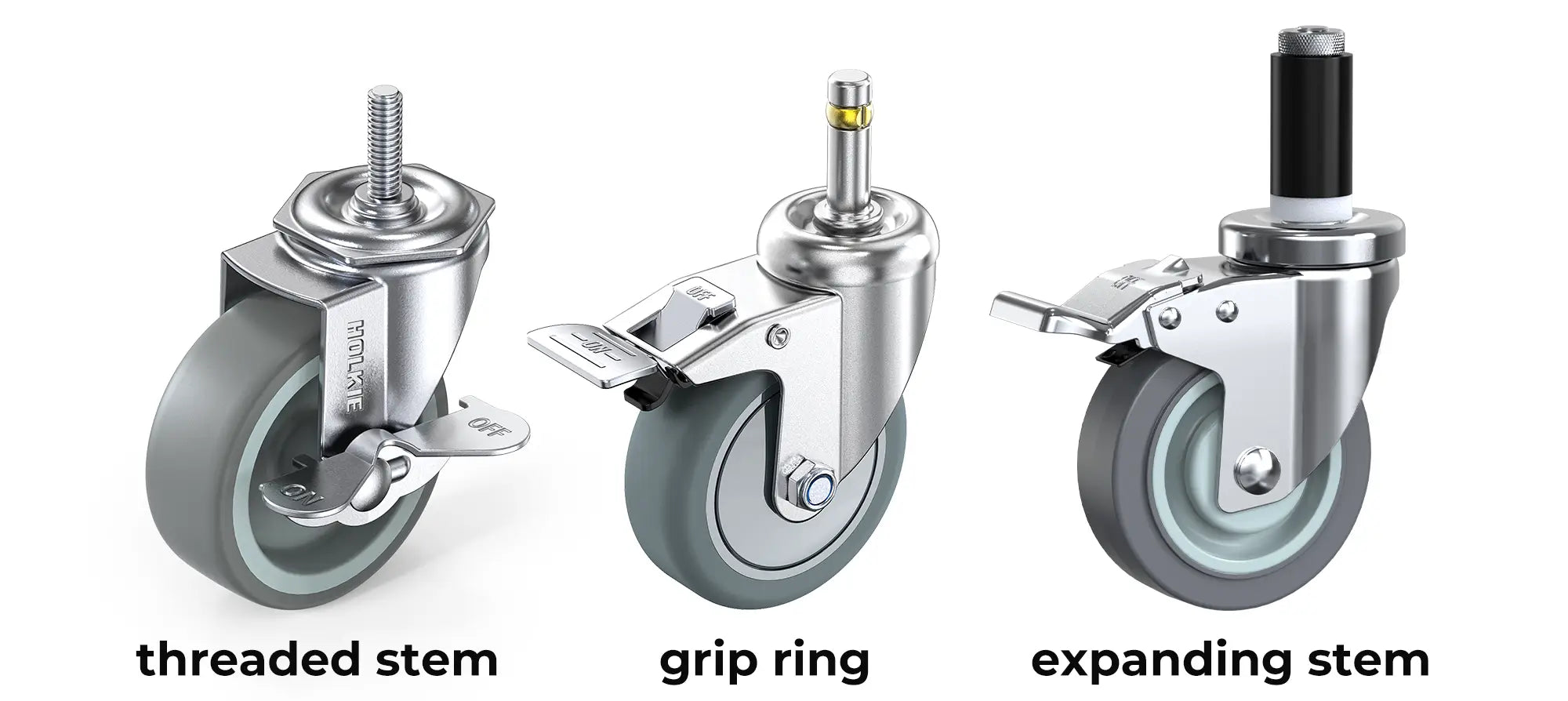
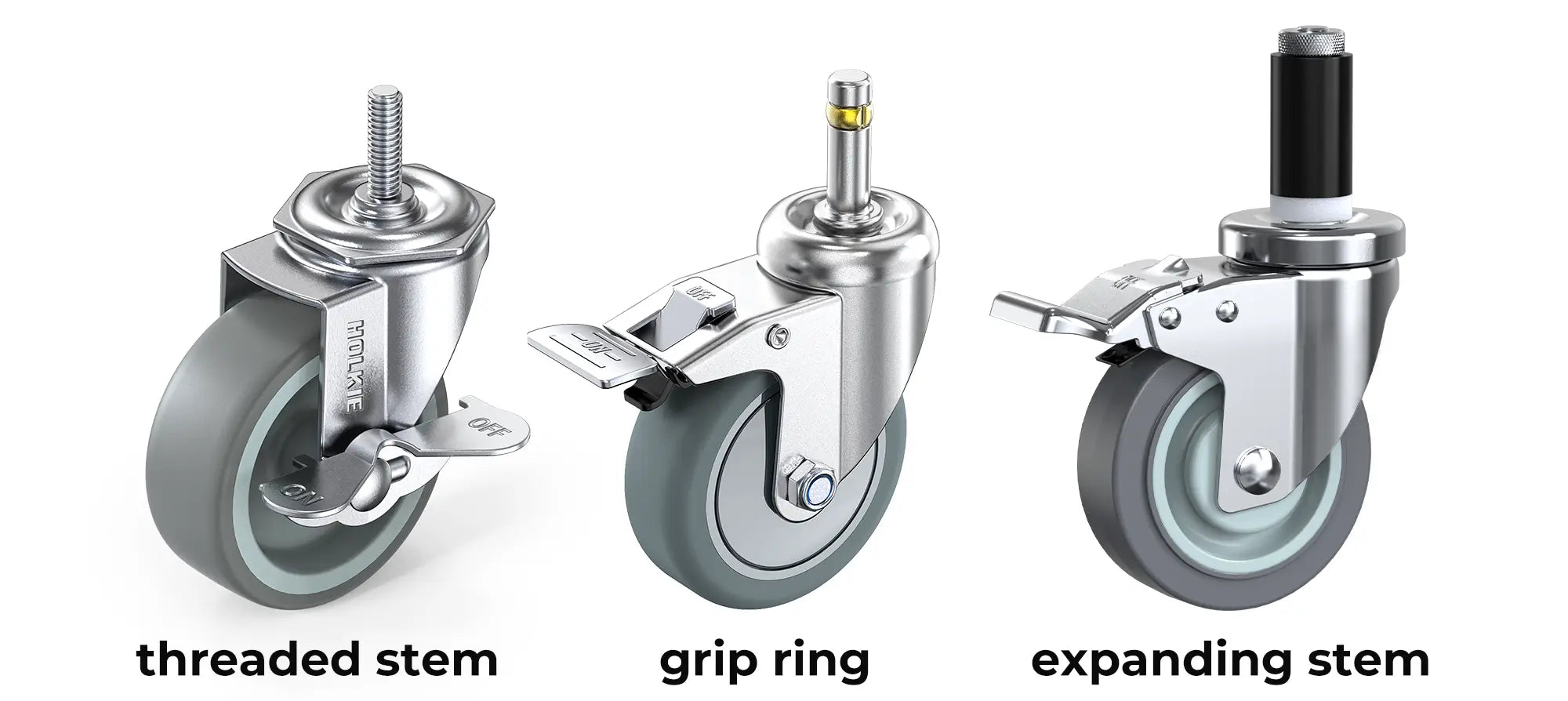
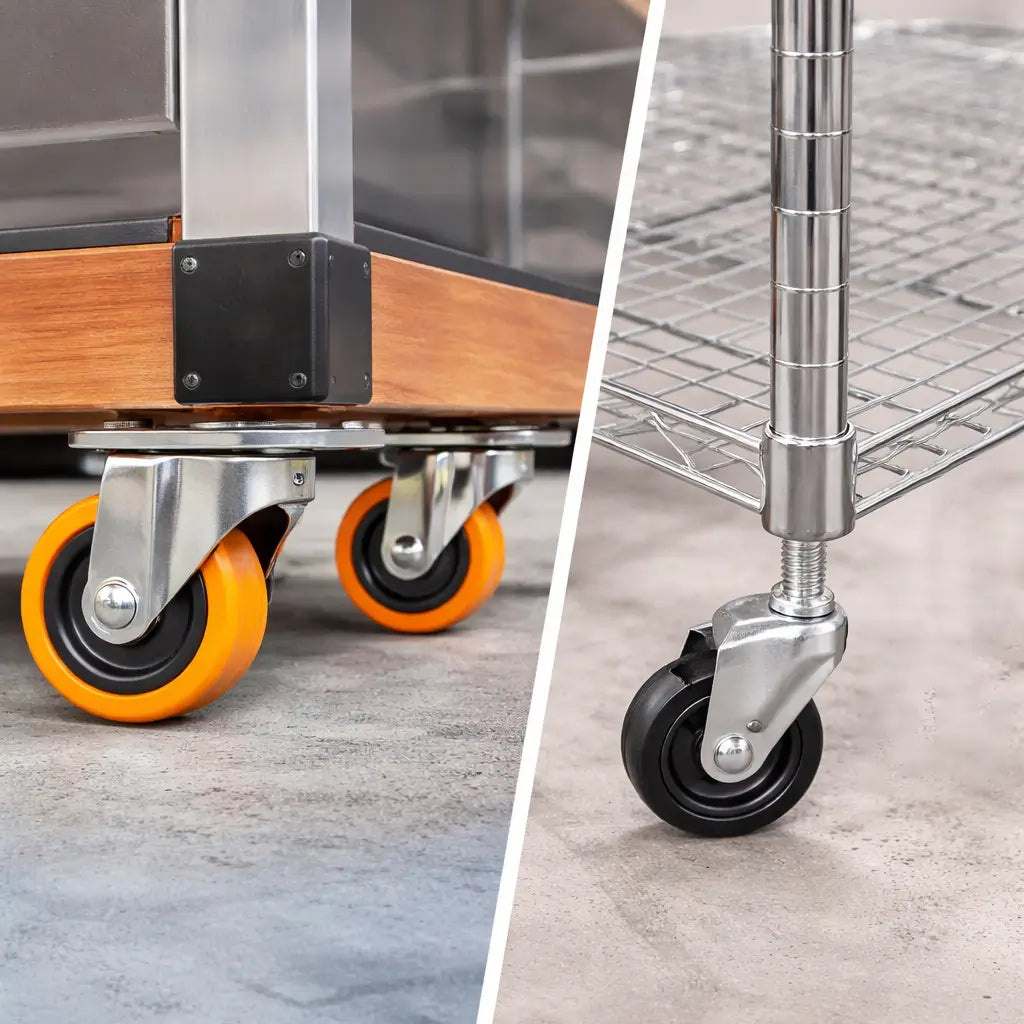
Grip ring stem casters are one of the most common push-in caster types. They feature a smooth metal stem with a spring steel retaining ring near the top. The ring compresses during installation and expands inside the socket to hold the caster in place.
These are commonly found on office chairs, display racks, and light furniture.
Grip neck stem casters use a wider neck section that locks into the receiving socket. They are often used in institutional furniture and equipment requiring stronger retention than standard grip ring stems.
Expanding stem casters are commonly installed in hollow tubing such as carts, racks, and tubular furniture. Tightening the top nut expands a rubber sleeve inside the tube, locking the caster securely in place.
Threaded stem casters use visible screw threads and require rotational removal. Since this topic is covered separately, this guide focuses mainly on non-threaded stem caster removal methods.
Check whether the caster is push-in or threaded. If there are no visible threads and the stem appears smooth, it is likely a grip ring or grip neck stem caster.
If the caster is mounted inside hollow tubing with a top nut, it is likely an expanding stem caster.
Turn the furniture upside down if possible, or safely tilt the equipment for easier access. Remove any heavy loads before starting.
This reduces stress on the caster mount and makes removal safer.
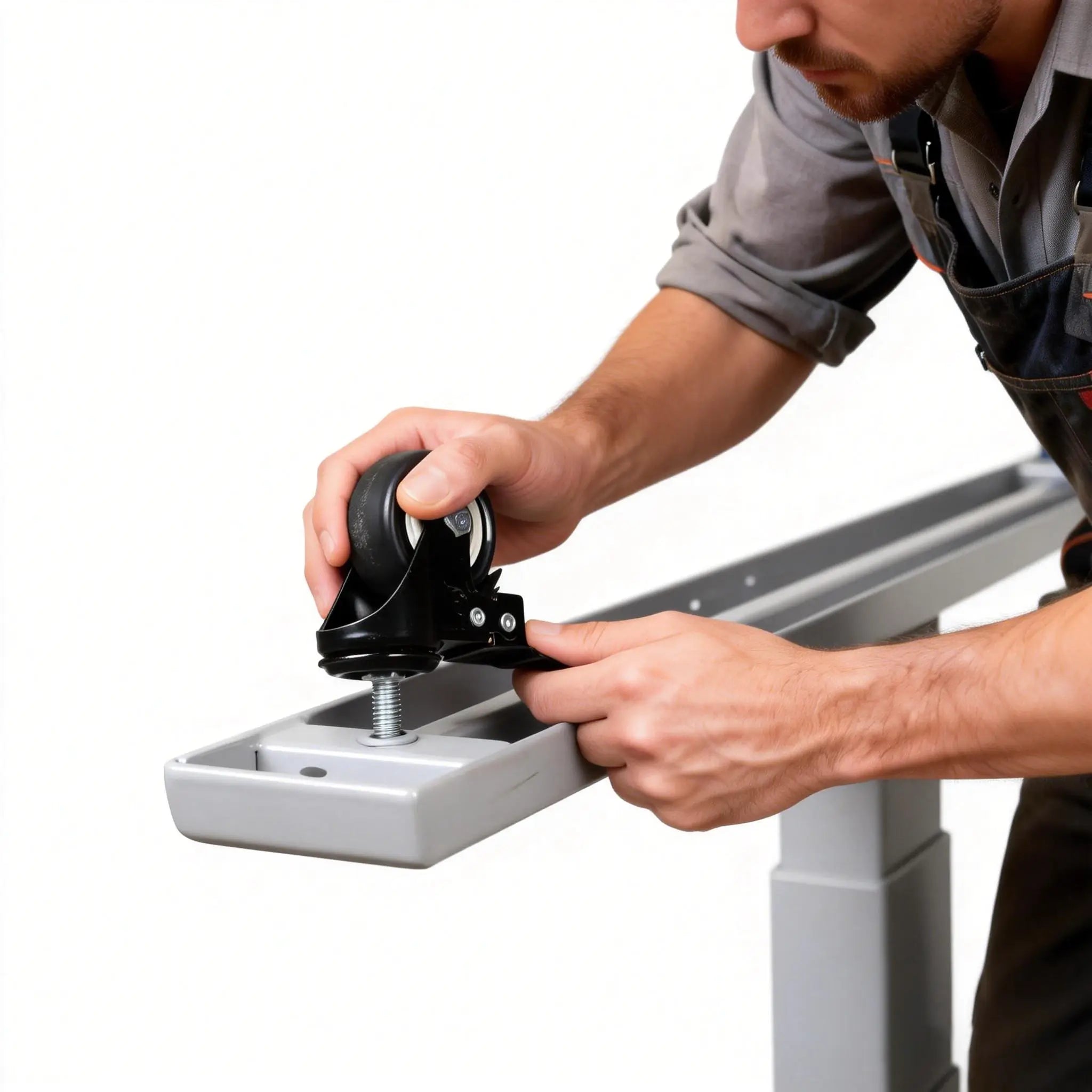
For grip ring stem casters, hold the caster fork firmly and pull straight outward. Avoid twisting excessively.
If the caster is stuck, gently insert a flathead screwdriver between the caster socket and the wheel fork, then apply slow leverage while pulling.
A rubber mallet can also help loosen the stem by tapping gently around the socket area.
Grip neck stem casters may require stronger pulling force because of the locking neck design.
Use pliers to grip the stem if accessible, then pull steadily while slightly rocking the caster side to side. Avoid sudden force that may crack the socket housing.
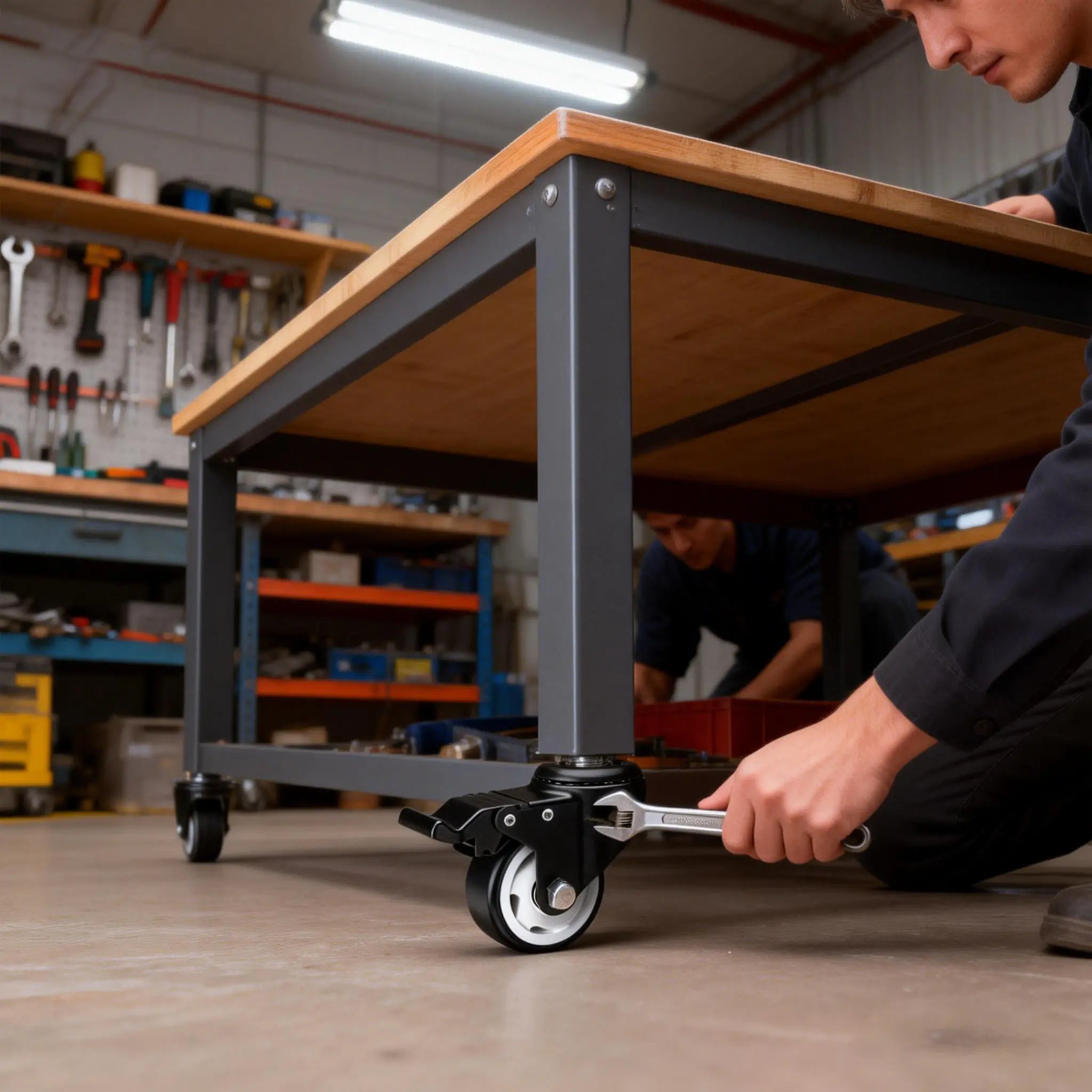
For expanding stem casters, first loosen the top nut using an adjustable wrench. This releases pressure on the rubber expansion sleeve inside the tube.
Once loosened, pull the caster straight out from the tube opening.
Sometimes the wheel breaks while the stem remains stuck inside the socket. This is common with older office chairs and heavy-use carts.
In this case, focus on removing the remaining stem rather than the wheel assembly.
Use locking pliers to grip the exposed stem tightly. Pull straight outward while gently rotating side to side.
If the stem is recessed, apply penetrating oil and use a flat screwdriver to help create movement around the socket edge.
Avoid drilling unless absolutely necessary, as this may permanently damage the mounting point.
This usually happens due to dirt buildup, corrosion, or long-term pressure inside the socket.
Apply penetrating oil and allow it to sit for 10–15 minutes before trying again.
Rust can make removal difficult, especially in garage carts or utility equipment.
Use rust penetrant and light tapping with a rubber mallet to help break corrosion bonds.
This often indicates internal locking pressure from an expanding stem or a damaged retaining ring.
Inspect the mounting system carefully before applying more force.
No, caster stems are not universal. Different furniture and equipment use different stem diameters, lengths, and mounting systems.
Using the wrong replacement can cause instability, poor rolling performance, or mounting failure.
Use calipers to measure:
Matching these dimensions ensures proper replacement and safe performance.
Sometimes you may only need to replace the wheel tread rather than the full caster assembly.
This is more common in industrial or heavy-duty caster systems with replaceable wheel cores.
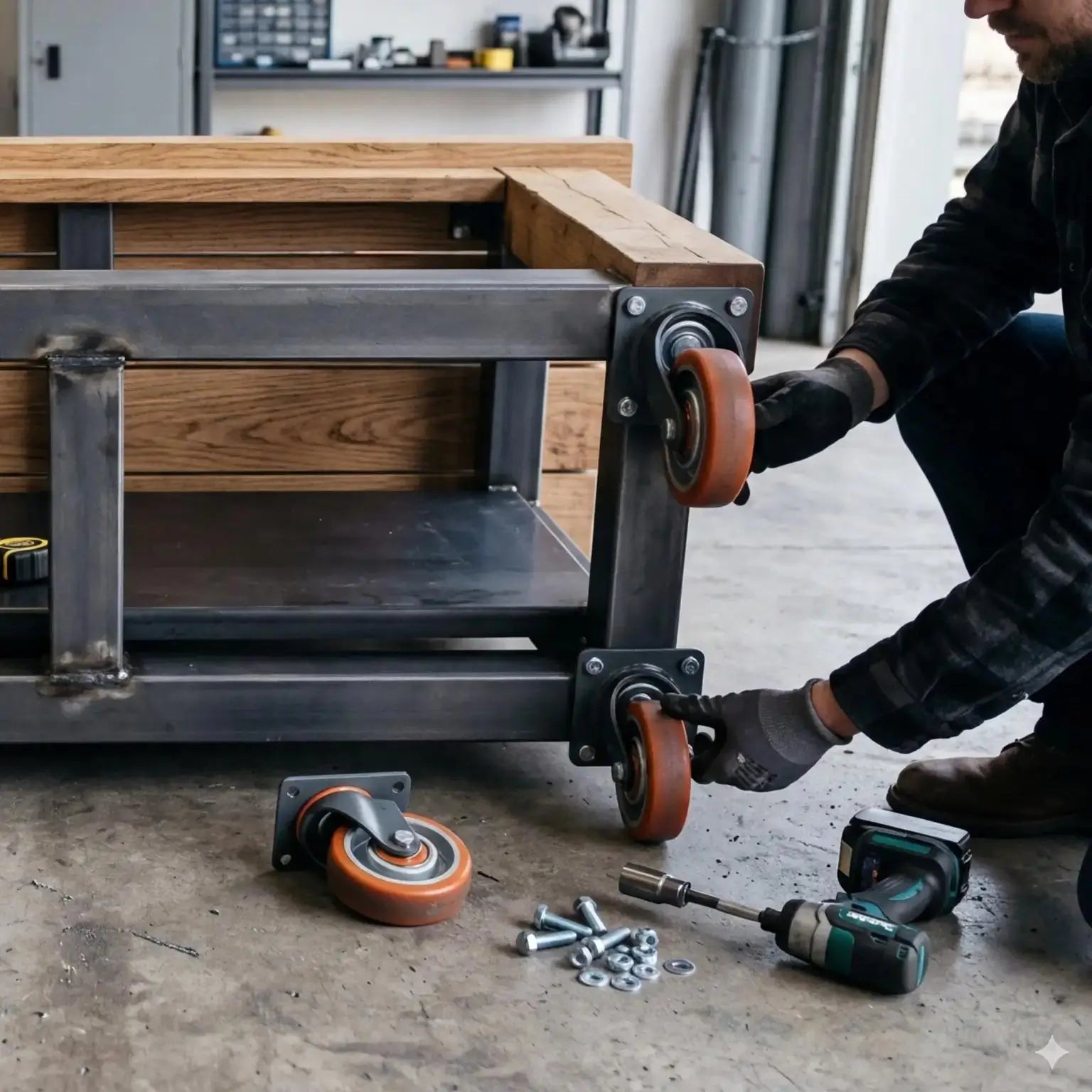
Remove the axle bolt using the correct wrench or socket. Once the axle is removed, the wheel can be separated from the fork.
Inspect bearings, spacers, and axle hardware before reassembly or replacement.
Need help finding the right replacement caster?
Explore our complete collection of stem casters.
Use locking pliers to grip the remaining stem and pull it straight out while gently rocking it side to side. Penetrating oil may help if the stem is stuck.
Identify whether the caster is push-in, expanding, or threaded. Most office chairs use push-in grip ring stem casters that can be removed by pulling straight out.
No. Stem diameter, length, and mounting style vary widely. Always measure before purchasing replacement casters.
Remove the axle bolt first, then separate the wheel from the caster fork. This is only possible on casters with removable wheel assemblies.



What Makes a Medical-Grade Stem Caster Different?
Best Caster Wheels for Different Applications: How to Choose the Right One