
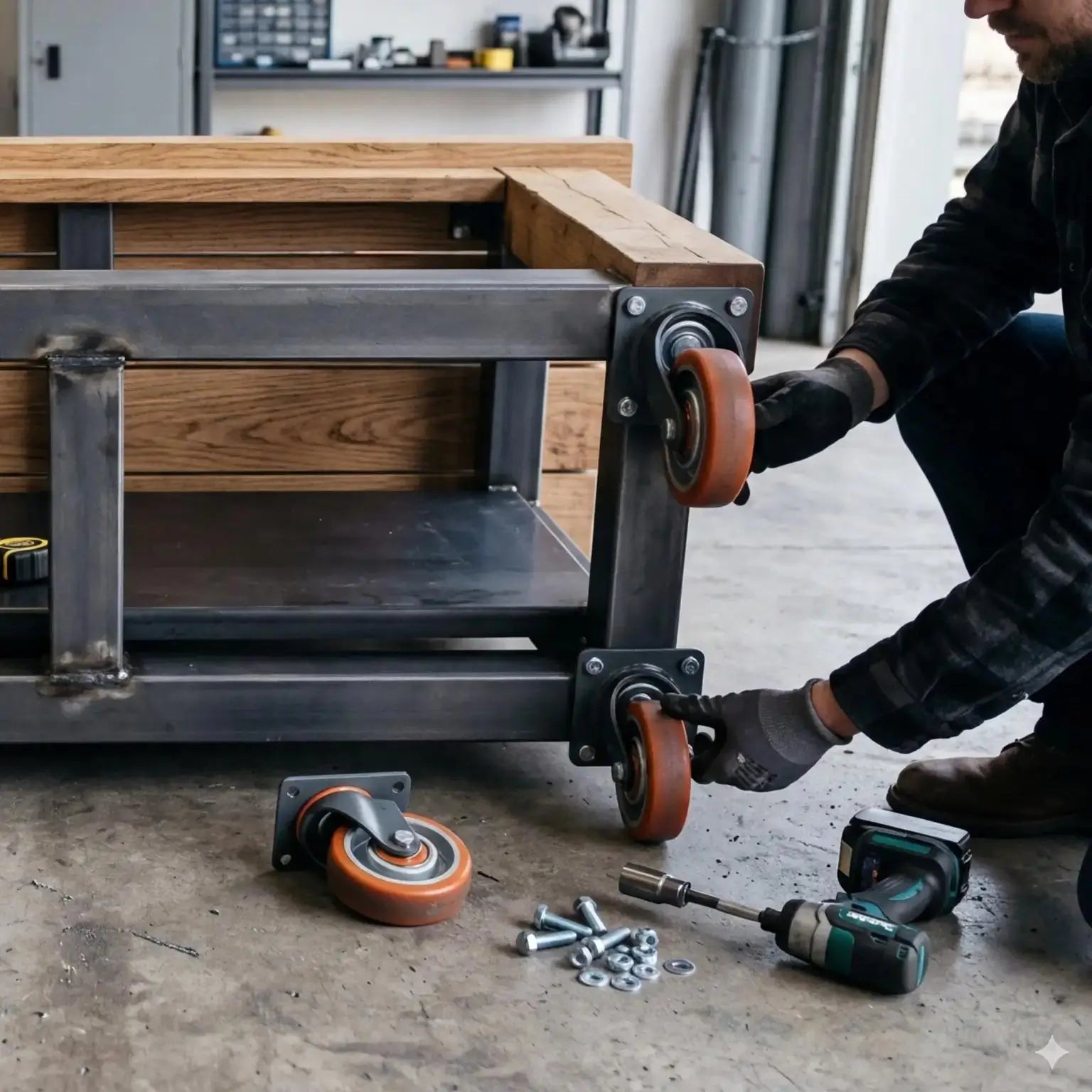
Installing plate casters correctly is essential for ensuring smooth movement, safety, and long-term durability of your equipment. Whether you are working with industrial carts, workbenches, or mobile storage units, proper installation directly impacts load performance and floor protection.
In this guide, we will walk you through how to install plate mount casters efficiently, including tools required, preparation steps, and common mistakes to avoid.
Before starting, make sure you select the right type of plate casters for your application, including load capacity and mounting size.
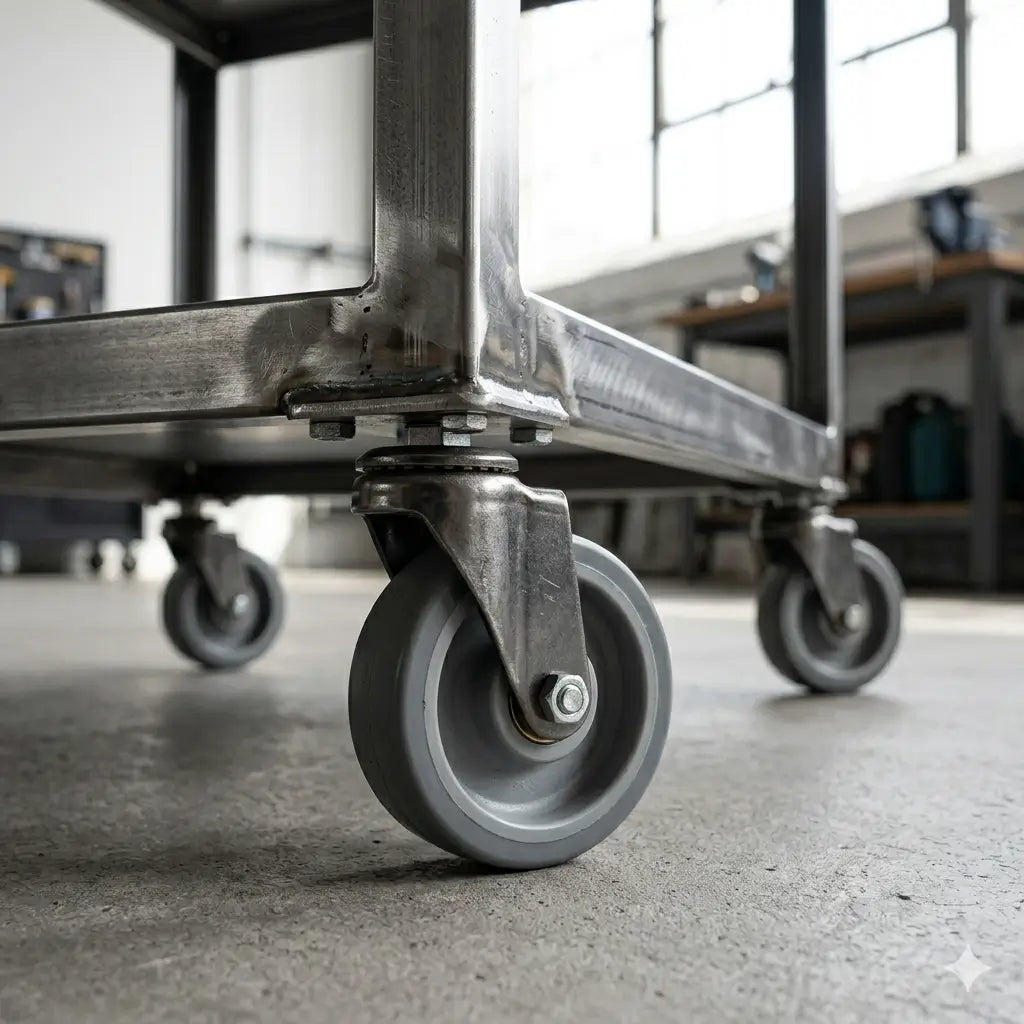
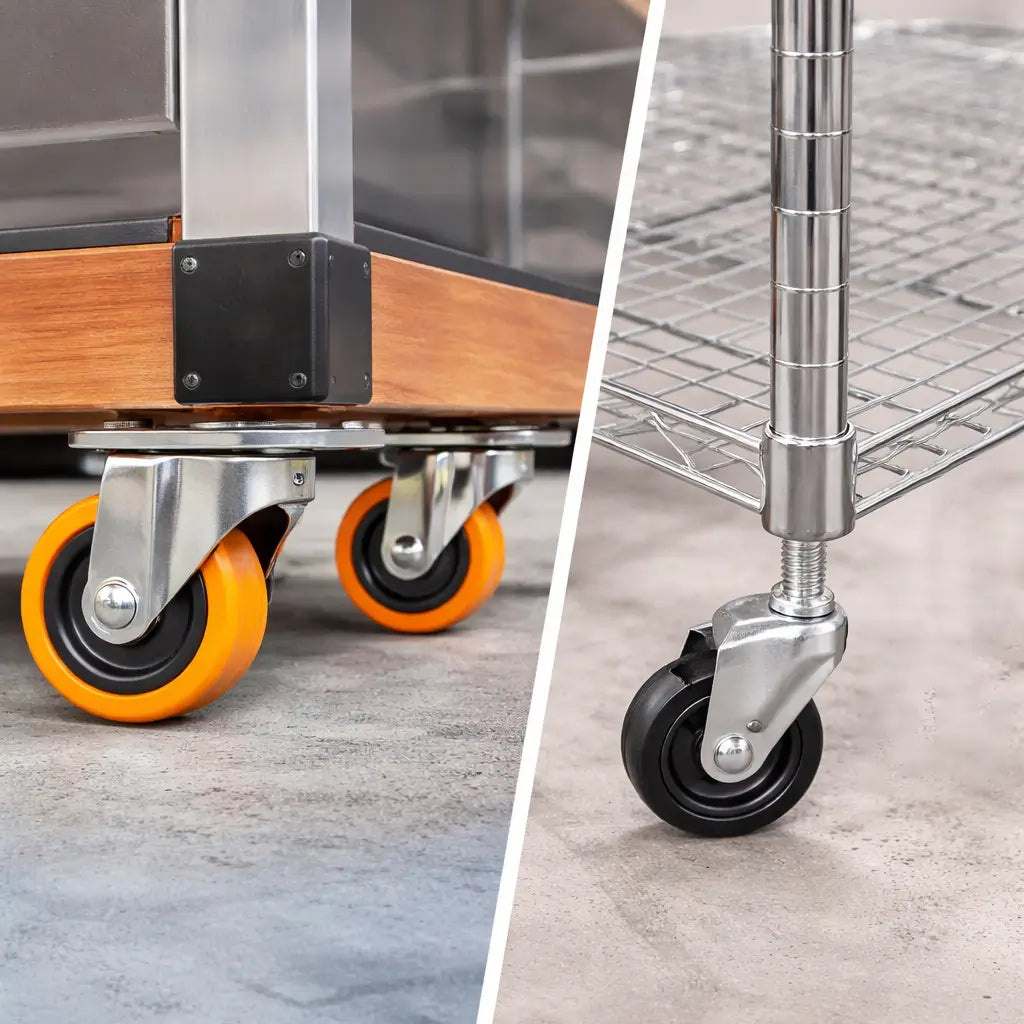
Plate casters, also known as plate mount casters, feature a flat mounting plate that attaches securely to the bottom of equipment using bolts or screws. They are widely used in industrial and commercial environments due to their stability and ability to support heavier loads compared to stem-mounted alternatives.
Before installing your plate wheels, gather the following tools:
Always use high-grade bolts that match the mounting holes of your plate casters. For heavy duty plate casters, grade 5 or grade 8 bolts are recommended to ensure safety under load.
Turn your equipment upside down and position each caster at the corners. Ensure equal spacing and alignment to distribute weight evenly.
Use a marker to outline the holes on the mounting plate. Accurate marking ensures proper alignment and prevents instability.
Drill pilot holes at the marked positions. This step is especially important when working with hardwood or metal surfaces.
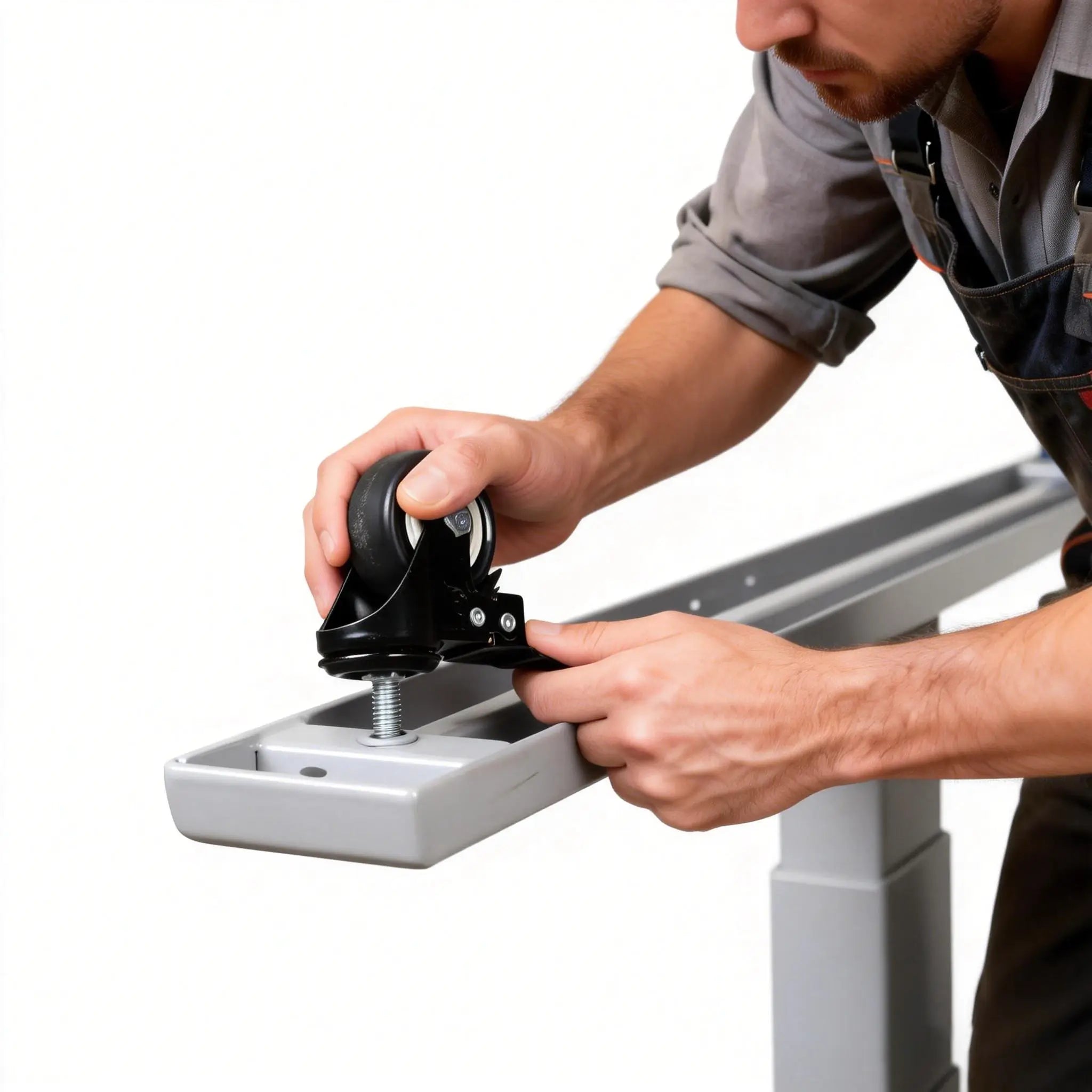
Place the caster over the drilled holes and insert bolts through the plate. Secure them with washers and nuts underneath.
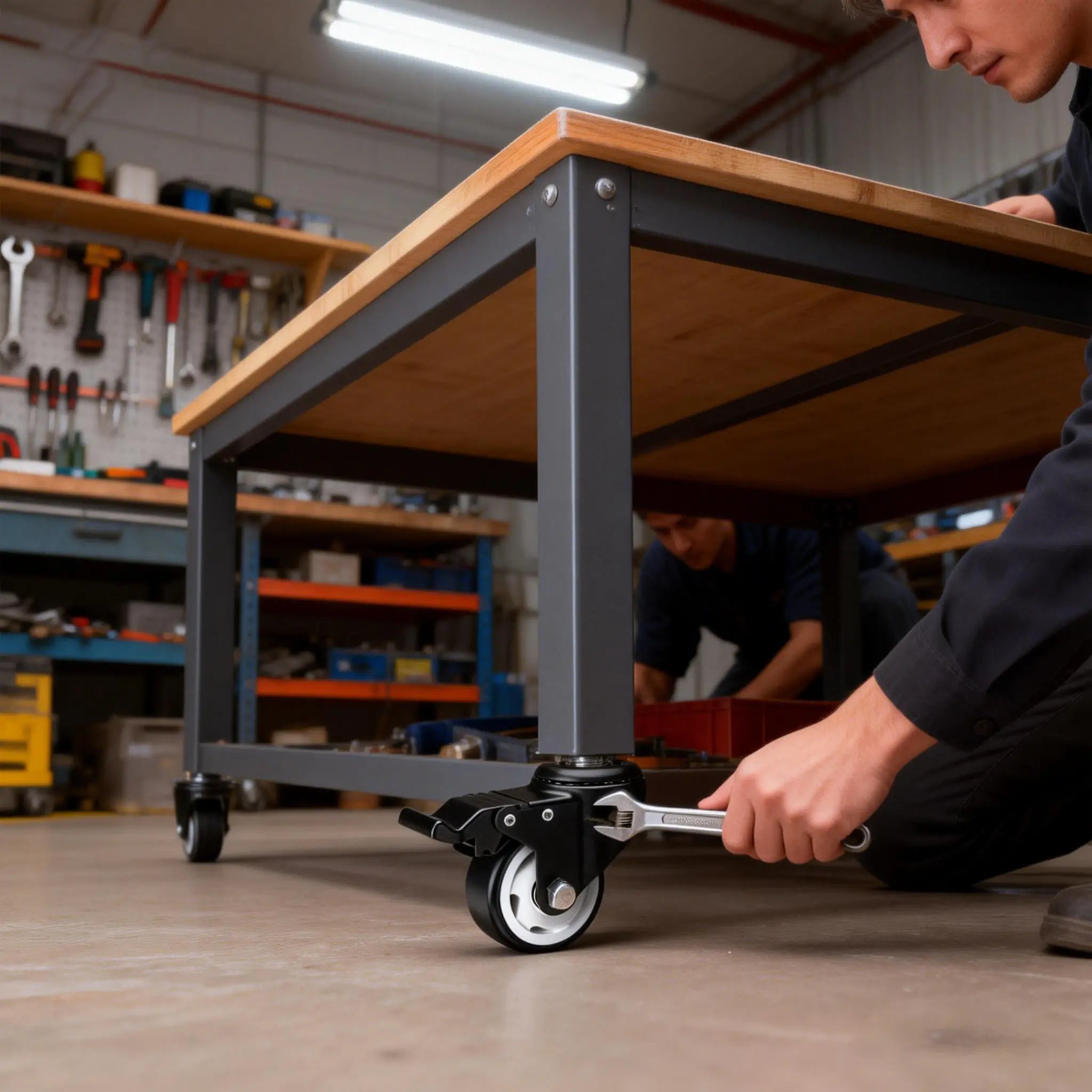
Use a wrench to tighten all bolts evenly. Avoid overtightening, which can damage the mounting surface or hardware.
Flip the equipment back upright and test the movement. Check that all swivel plate casters rotate smoothly and brakes function properly if included.
Always use four casters for balanced weight distribution. For heavy equipment, consider adding a fifth caster in the center.
Select wheel materials that suit your flooring. Softer wheels protect floors, while harder wheels perform better on carpets or rough surfaces.
For safety, install at least two locking plate mount casters to prevent unwanted movement.
Mismatched hardware can lead to loose casters and safety hazards.
Misaligned casters can cause uneven rolling and increased wear.
Always verify that your heavy duty plate casters can handle the total load, including the equipment weight.
Plate casters are widely used in:
Check bolts and mounting plates periodically to ensure they remain tight.
Apply lubricant to swivel mechanisms for smoother operation.
Replace worn-out plate wheels to maintain performance and protect floors.
Installing plate casters properly ensures safety, durability, and smooth mobility. By following the correct installation steps and using appropriate hardware, you can maximize the lifespan and efficiency of your equipment.
For high-quality options, explore our full range of plate casters designed for both light-duty and heavy-duty applications.


No, most plate mount casters require drilling to ensure a secure attachment.
Typically four, but heavy equipment may require additional support casters.
Use bolts that match the mounting plate holes, usually 1/4" to 3/8" depending on caster size.
Swivel casters provide better maneuverability, while rigid casters offer stability for straight movement.
Yes, but choose corrosion-resistant materials such as stainless steel or polyurethane wheels.
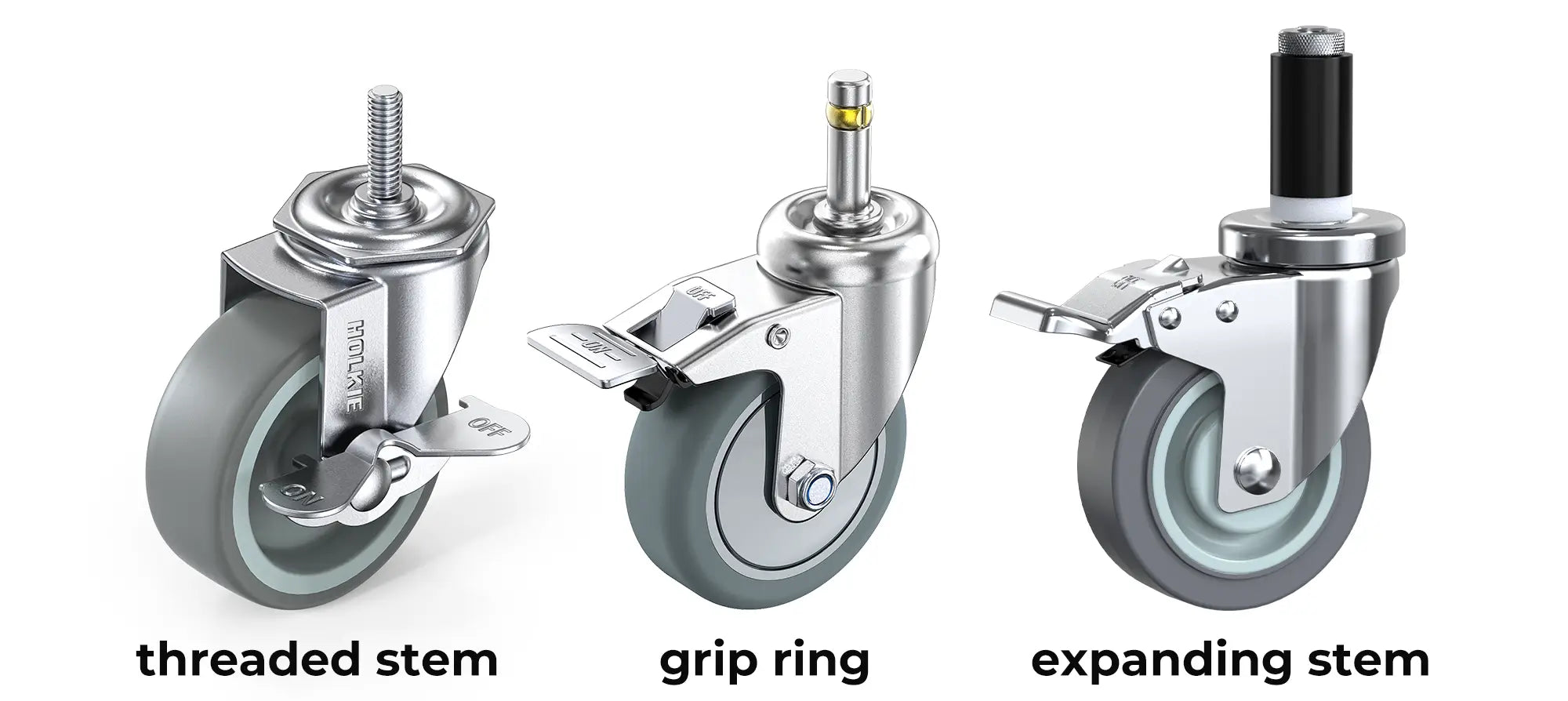
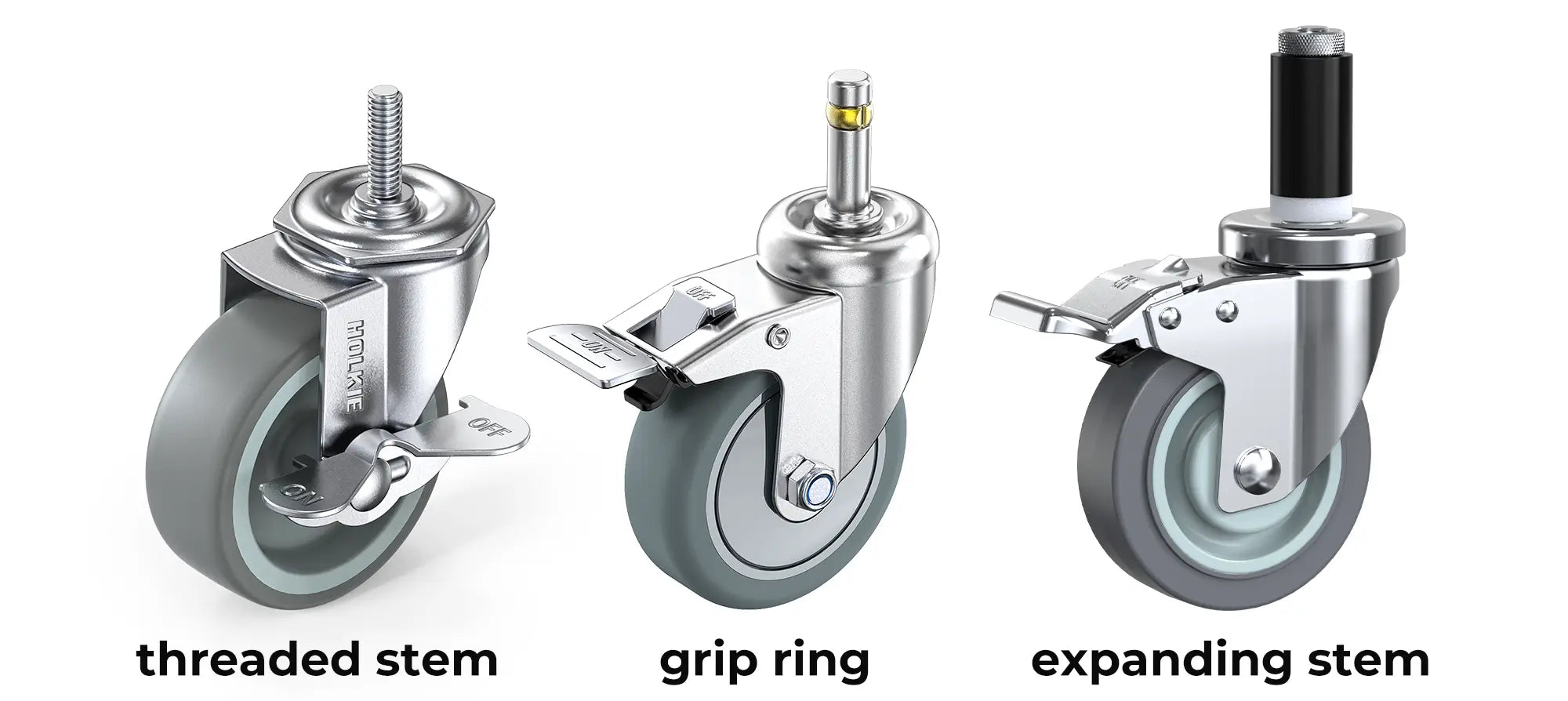


Threaded Stem vs Grip Ring vs Expanding Stem Casters
What Makes a Medical-Grade Stem Caster Different?