
- by WANHUA LYU
Plate Casters vs Other Caster Wheels: Which Is Best for Your Equipment?
- by WANHUA LYU
When people search for caster wheels, they often encounter one dominant type across search results: plate casters. Whether used in industrial carts, workbenches, or furniture, plate mount casters have become the standard solution for reliable and stable mobility.
But why are plate casters so widely used? And how do they compare to other types like stem casters or leveling casters? In this guide, we will break down caster mechanics, installation differences, and real-world applications to help you choose the best option for your equipment.
If you're looking for durable and versatile options, explore our full range of plate casters designed for industrial and commercial use.
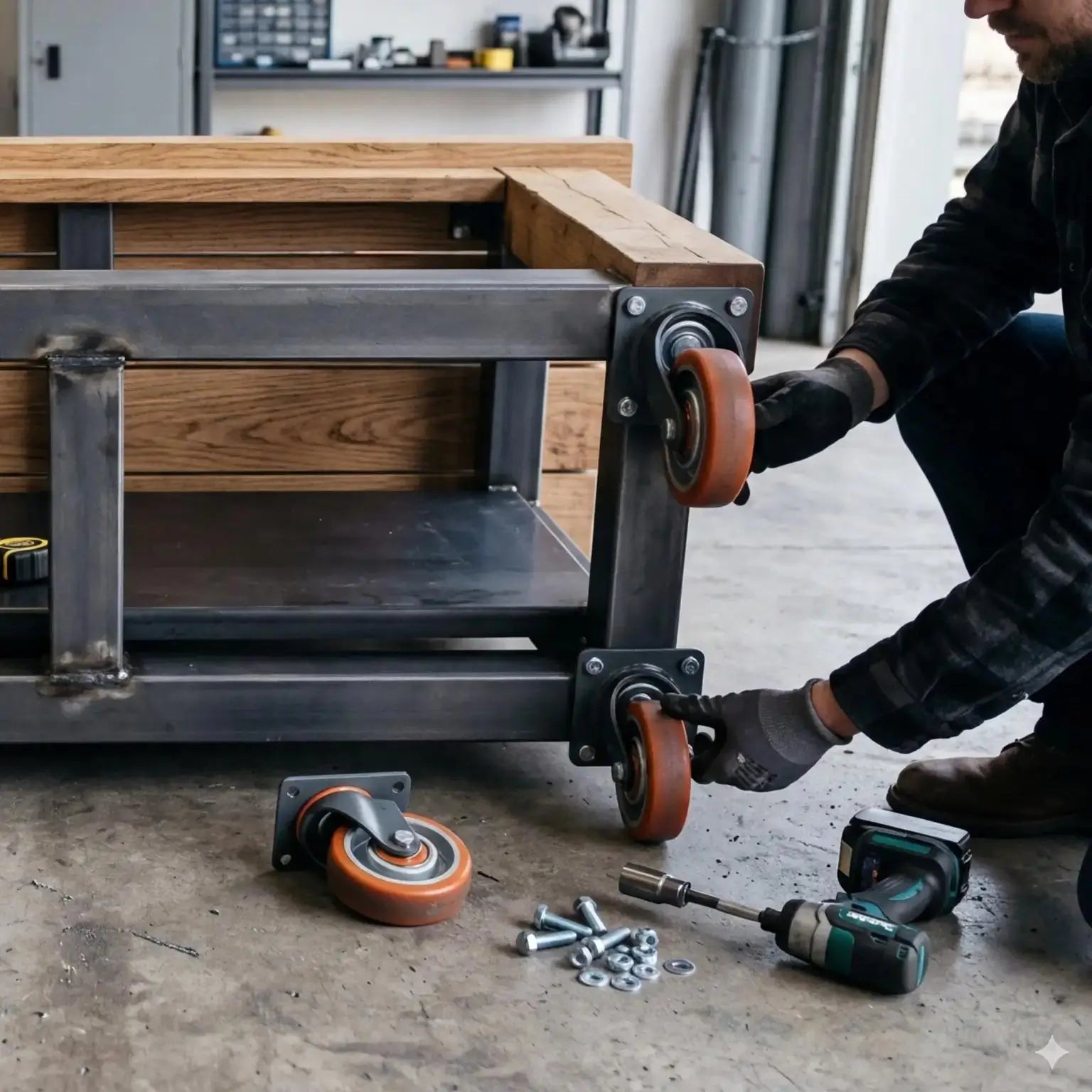
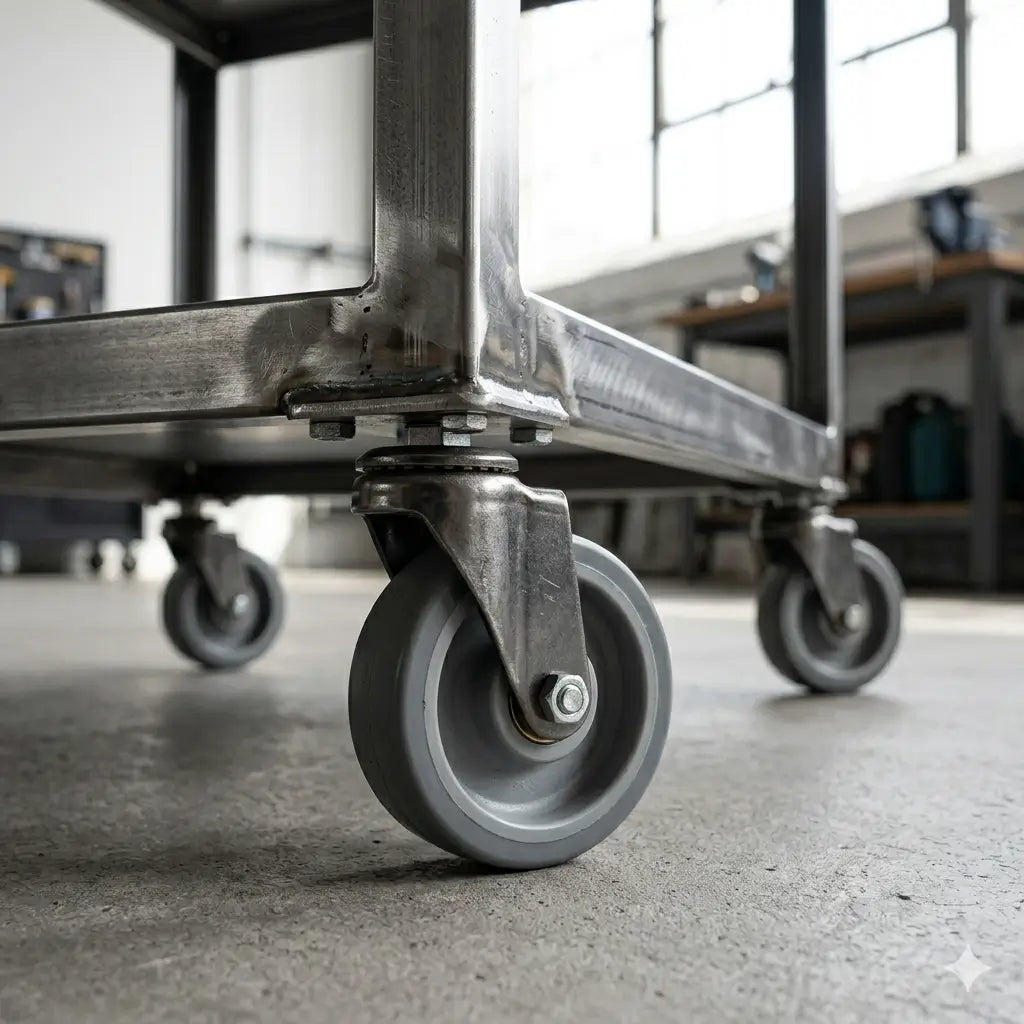
Plate casters, also known as plate mount casters, feature a flat rectangular mounting plate that attaches to equipment using bolts or screws. This design distributes weight evenly across the mounting surface, providing greater stability compared to other caster types.
Because of their structural strength and installation flexibility, plate casters are widely used in industrial engineering, logistics mobility systems, and workplace equipment.
The flat mounting plate spreads weight over a larger surface area. This reduces stress on the equipment frame and improves long-term durability, especially in industrial mobility applications.
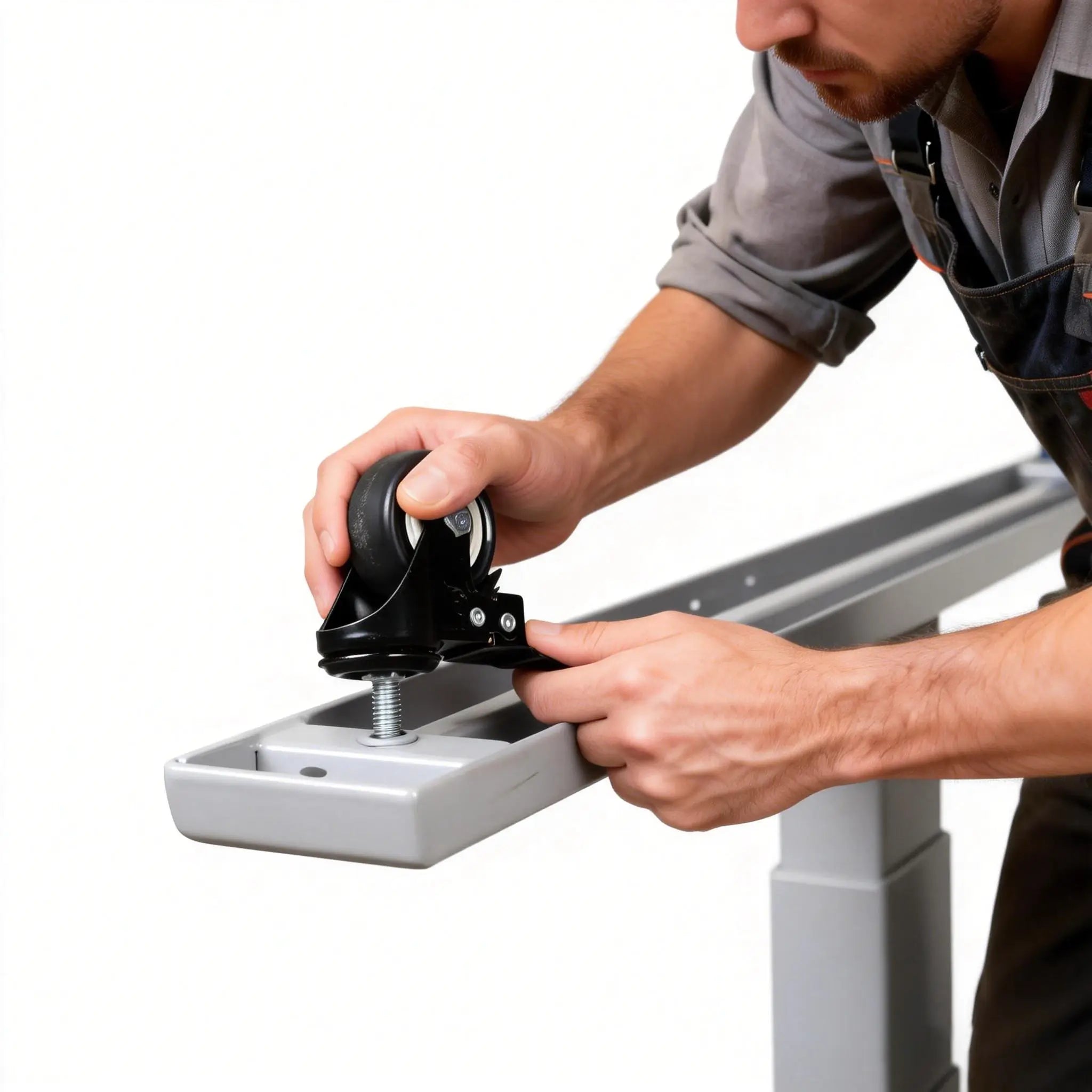
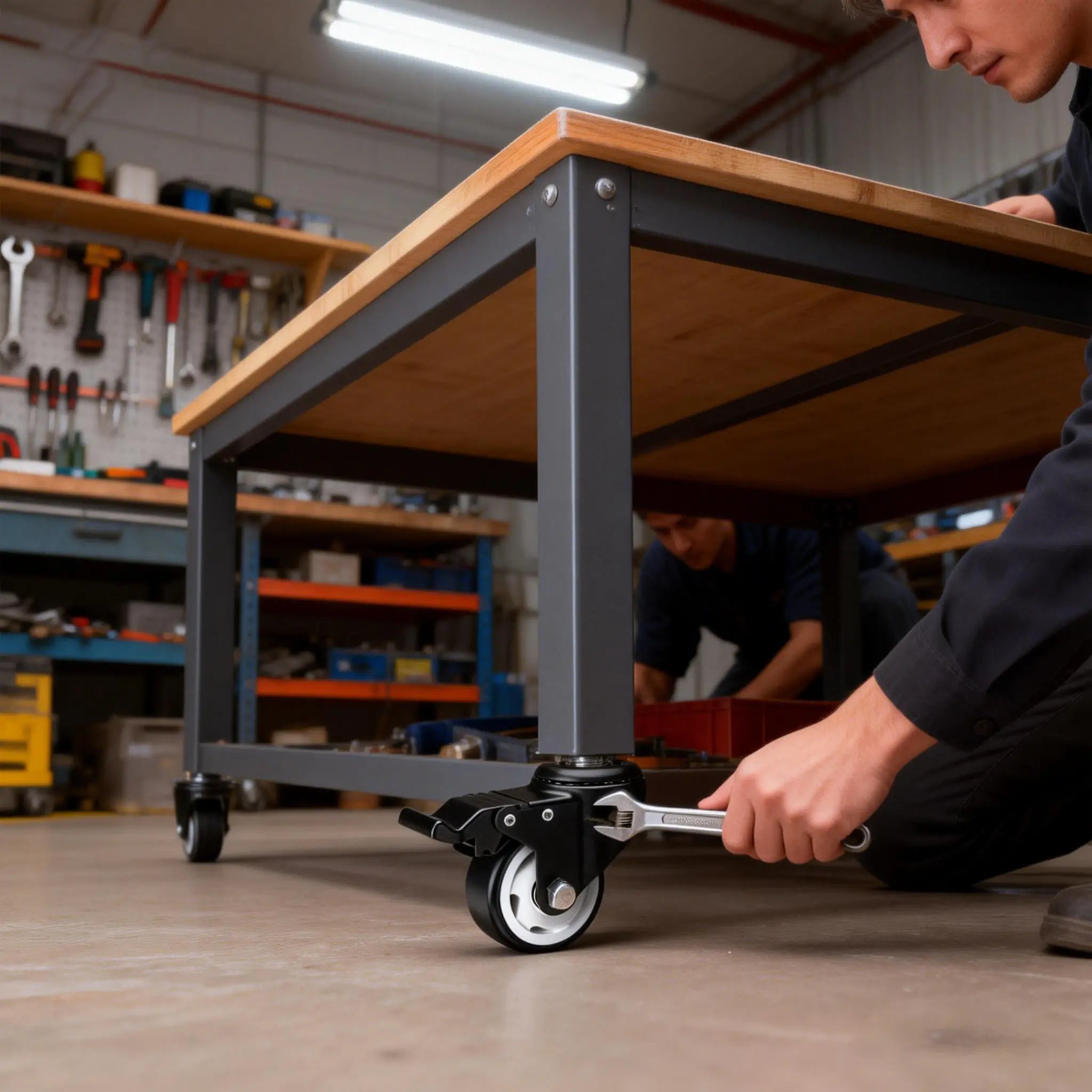
Plate casters can be installed with standard tools and do not require threaded inserts or specialized mounting hardware. This makes them ideal for DIY projects, workbenches, and carts.
Compared to most stem casters, plate casters typically support heavier loads, making them suitable for warehouse carts, machinery dollies, and equipment racks.
From furniture to heavy industrial equipment, plate casters are used across industries including healthcare mobility, laboratory equipment, and logistics operations.
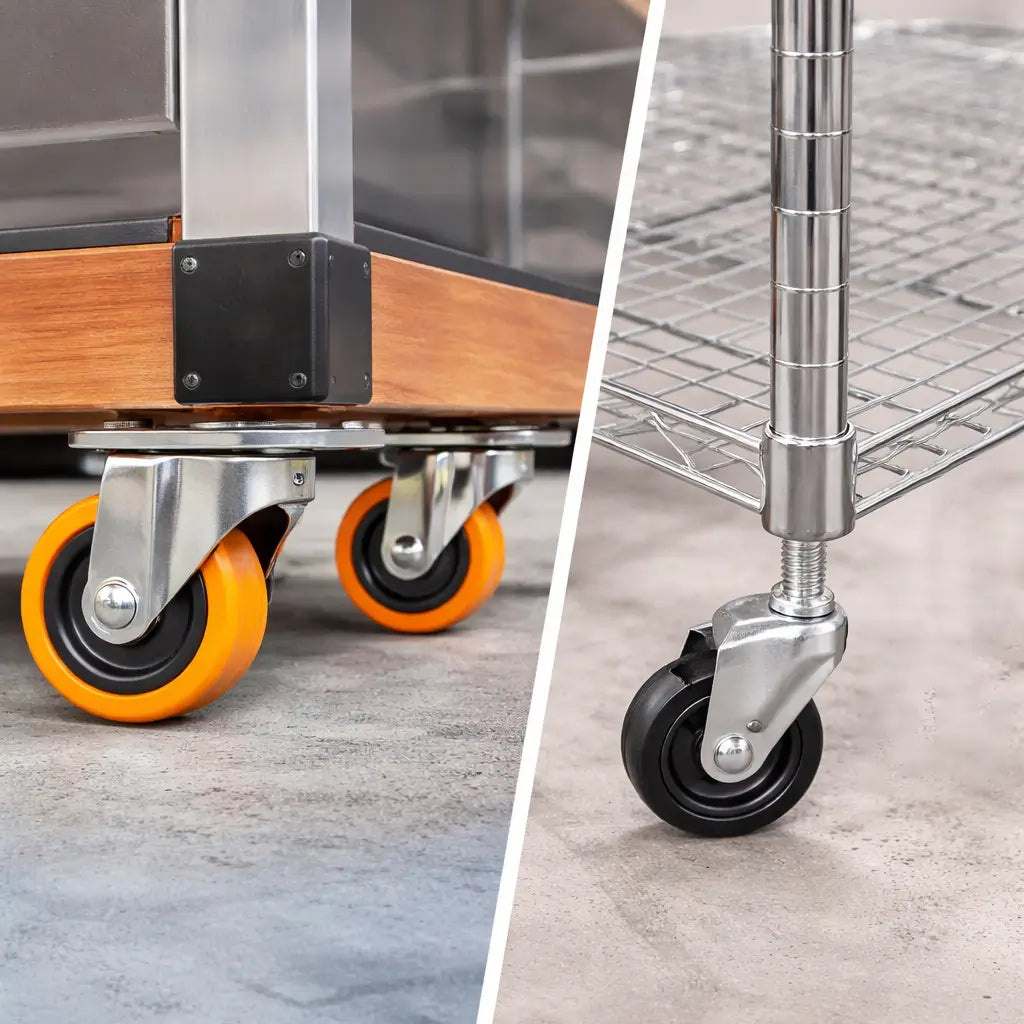
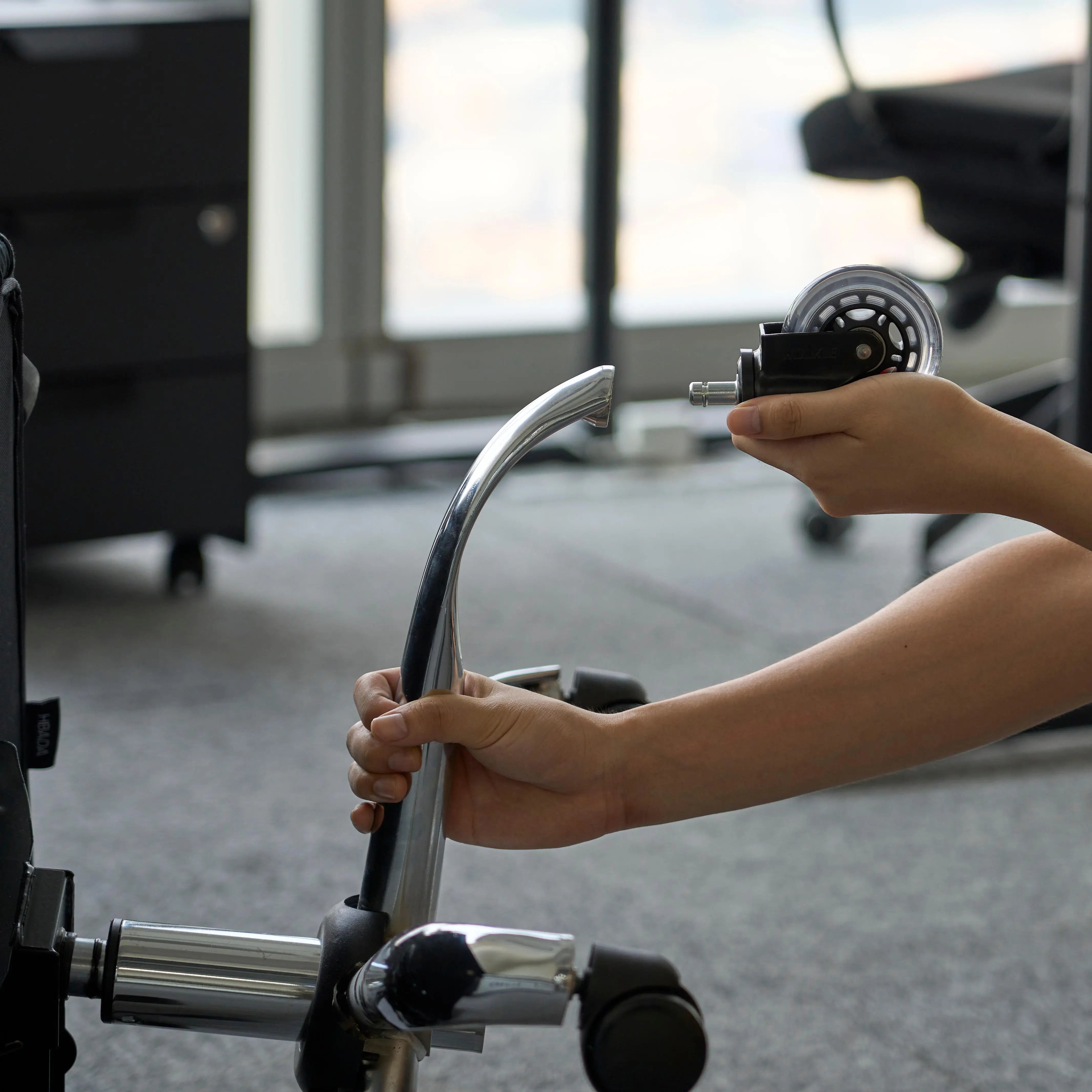
Plate casters use a bolt-on plate, while stem casters insert into a socket or threaded hole. Plate mounting provides stronger structural support.
Plate casters offer better stability for heavy equipment and uneven loads, while stem casters are more compact but less robust.
Stem casters are often used for office chairs or light-duty furniture, while plate casters dominate industrial and commercial environments.
Always calculate the total weight of your equipment and divide it by the number of casters. Add a safety factor to ensure reliable performance.
Wheel material affects floor protection and performance. Polyurethane offers quiet movement and protects floors, while nylon supports higher loads.
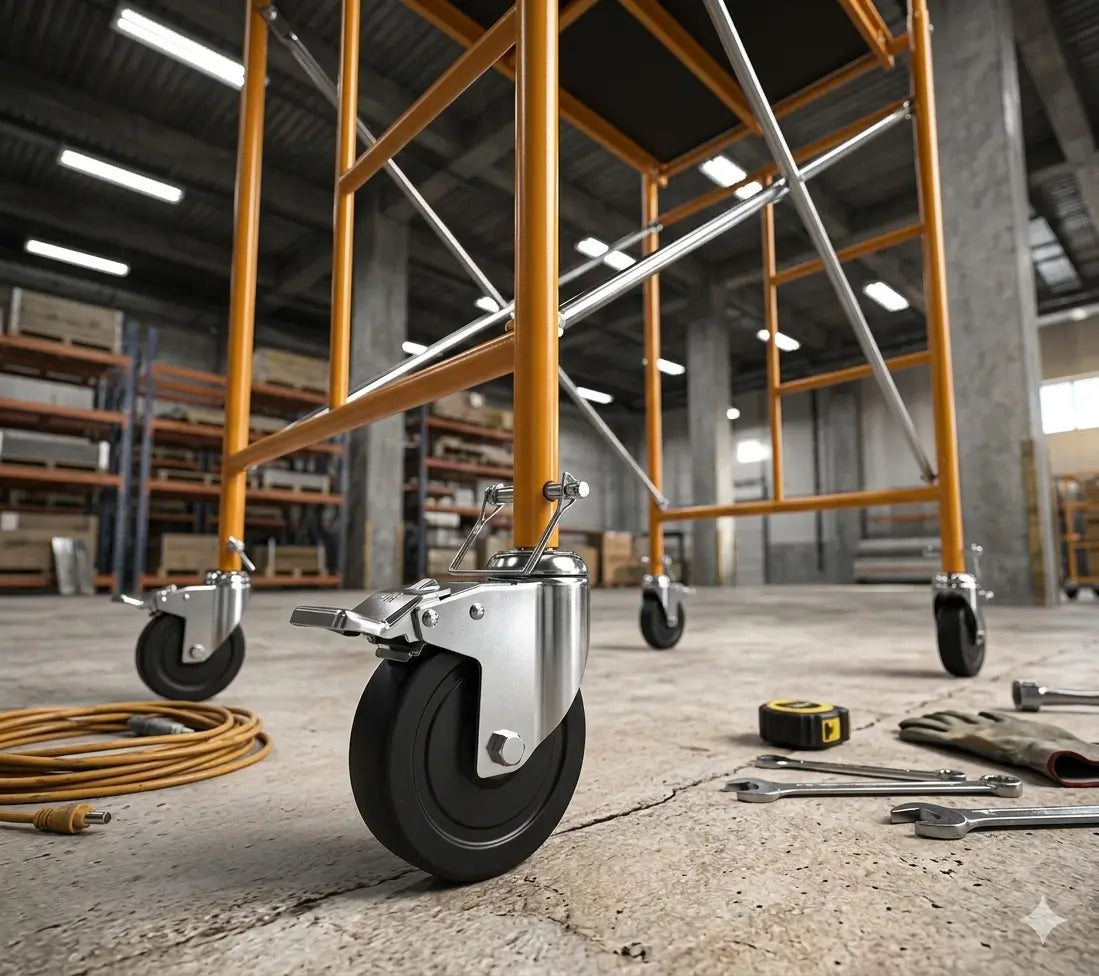
Dual lock brakes improve workplace safety by locking both the wheel and swivel. This is essential for equipment operation in industrial environments.
Larger wheels roll more easily over obstacles, while smaller wheels are ideal for compact equipment and low-clearance furniture.
Proper caster selection plays a key role in workplace safety. Plate casters reduce tipping risks and improve load stability, especially when combined with locking mechanisms.
In industrial mobility environments, selecting the right caster wheels can prevent accidents and improve overall equipment ROI.
Plate casters are the most versatile and reliable type of caster wheels available today. Their strength, ease of installation, and wide range of applications make them the preferred choice for both industrial and everyday use.
If you want a dependable mobility solution for your equipment, plate casters offer the best balance of performance, safety, and durability.
Plate casters are used for carts, workbenches, furniture, and industrial equipment where strong and stable mounting is required.
Plate casters provide better load distribution and stability, making them ideal for heavy-duty applications.
Regular inspection of wheels and mounting bolts is recommended to ensure long-term performance and safety.
Yes, but selecting the correct wheel material is important to prevent floor damage and ensure smooth movement.


Christmas Tree Decorations Ideas for Small Apartments (Space-Saving & Mobile Setup)
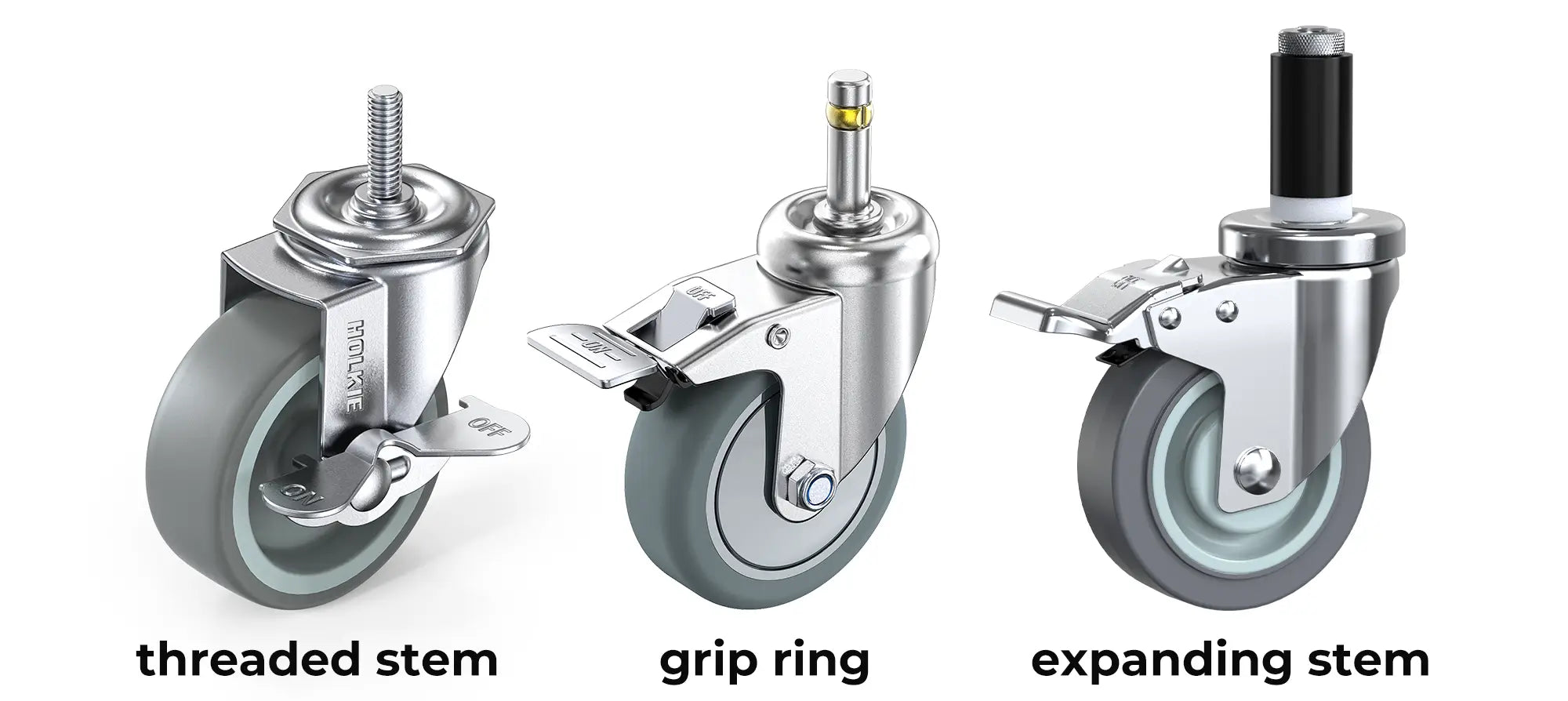
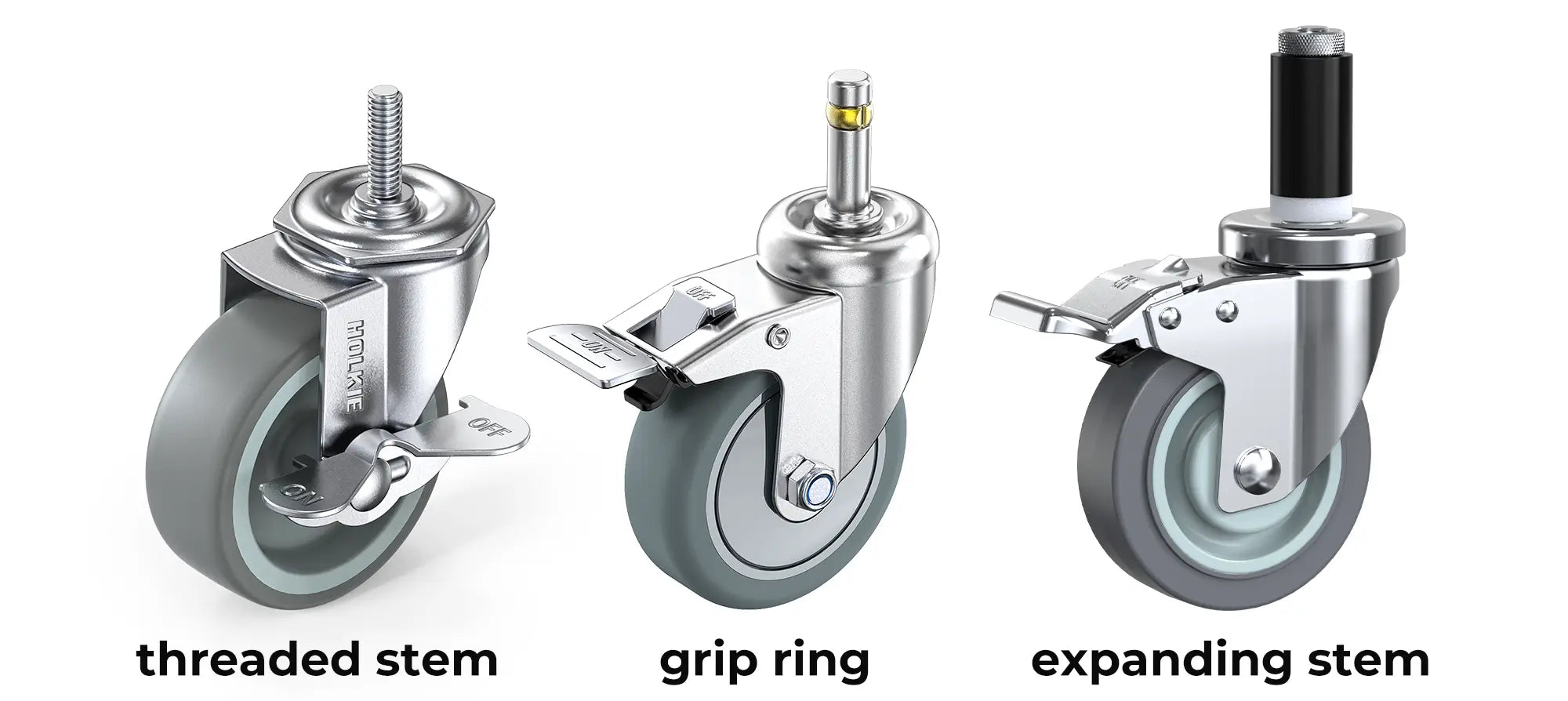
Threaded Stem vs Grip Ring vs Expanding Stem Casters