
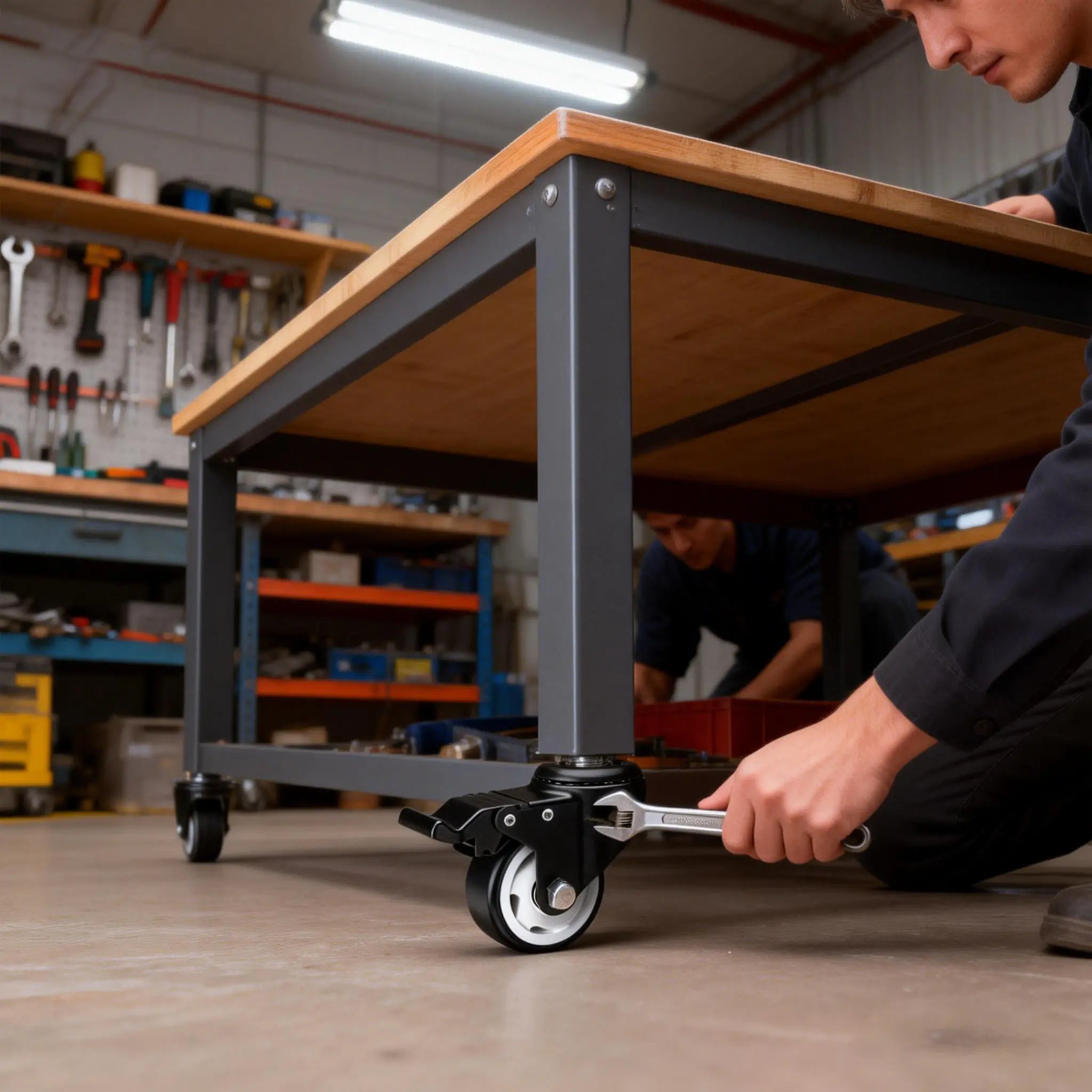
Threaded stem casters are commonly used on furniture, carts, workbenches, and light industrial equipment because they provide a secure, screw-in connection. Over time, however, you may need to remove a threaded stem caster due to wear, floor damage, upgrades, or equipment replacement. This guide explains how to safely remove threaded stem casters without damaging the caster socket, mounting point, or equipment frame.
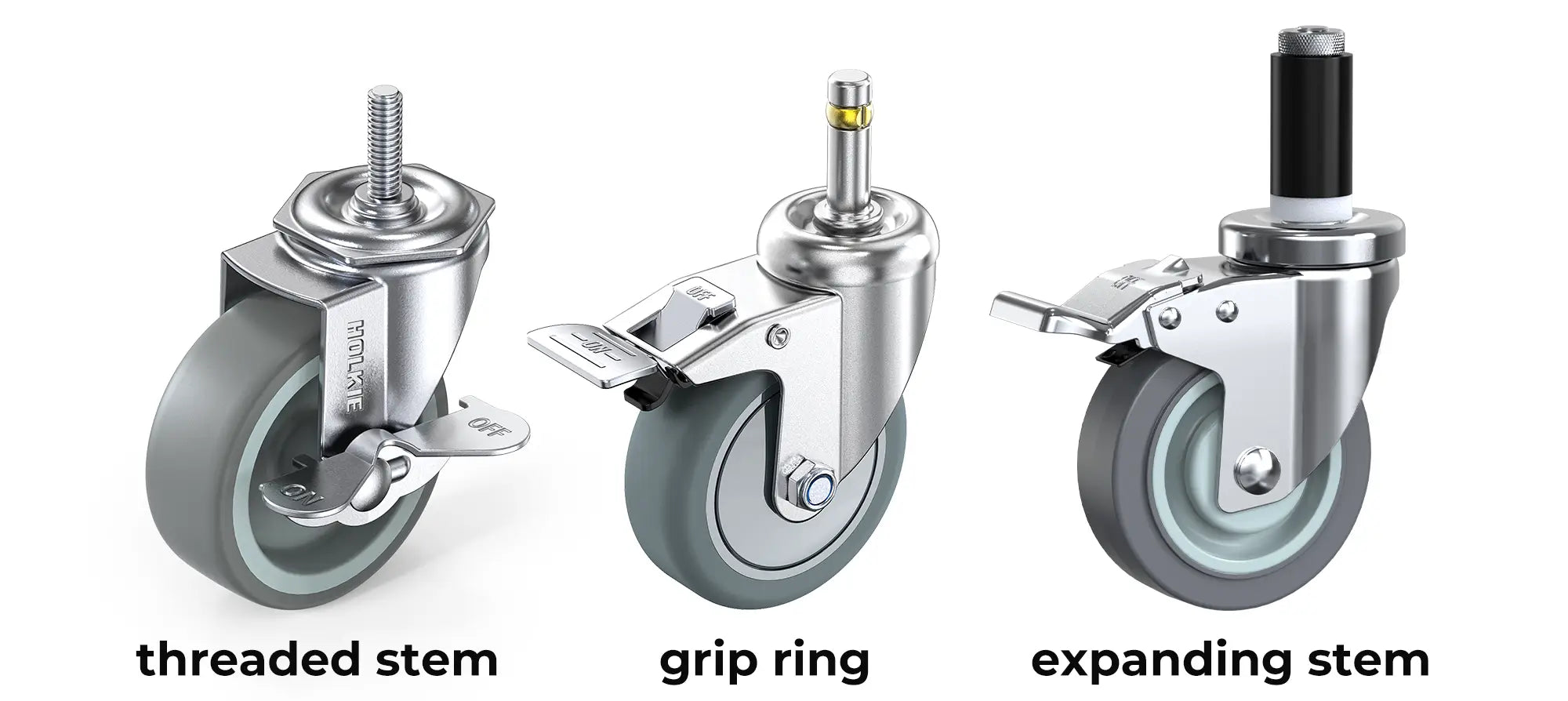
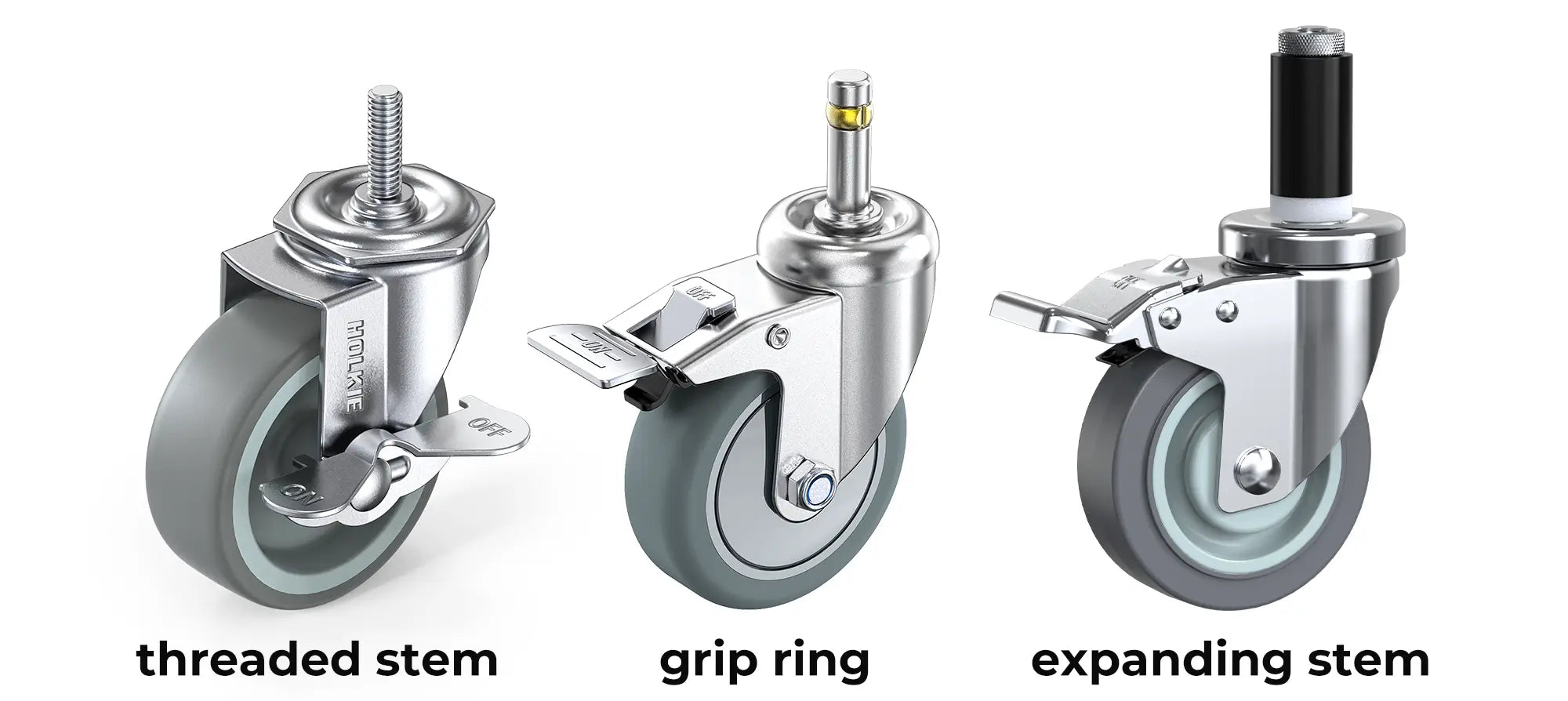
Understanding how threaded stem casters differ from grip ring stem casters or expanding stem casters is critical before attempting removal. Using the wrong technique can strip threads, crack sockets, or bend mounting plates.
A threaded stem caster features a metal stem with machine threads that screw directly into a tapped hole, threaded insert, or welded nut. This design offers higher pull-out resistance than push-in styles and is commonly found on carts, racks, tool cabinets, and adjustable equipment.
Unlike grip ring stem casters or grip neck stem casters, threaded stems rely on rotational torque for removal rather than vertical force.
Before removal, confirm whether you are dealing with a threaded stem caster or another stem style:
If the stem has visible threads, follow the steps below. For non-threaded styles, removal techniques differ significantly.

Place the equipment on a flat, stable surface. If possible, turn it upside down or tilt it safely so the caster stem is easily accessible. Make sure the load is removed to reduce stress on the stem threads.
For older installations, apply penetrating oil around the stem threads and allow it to soak for 10–15 minutes. This helps loosen rust or debris that may have built up inside the threaded socket.
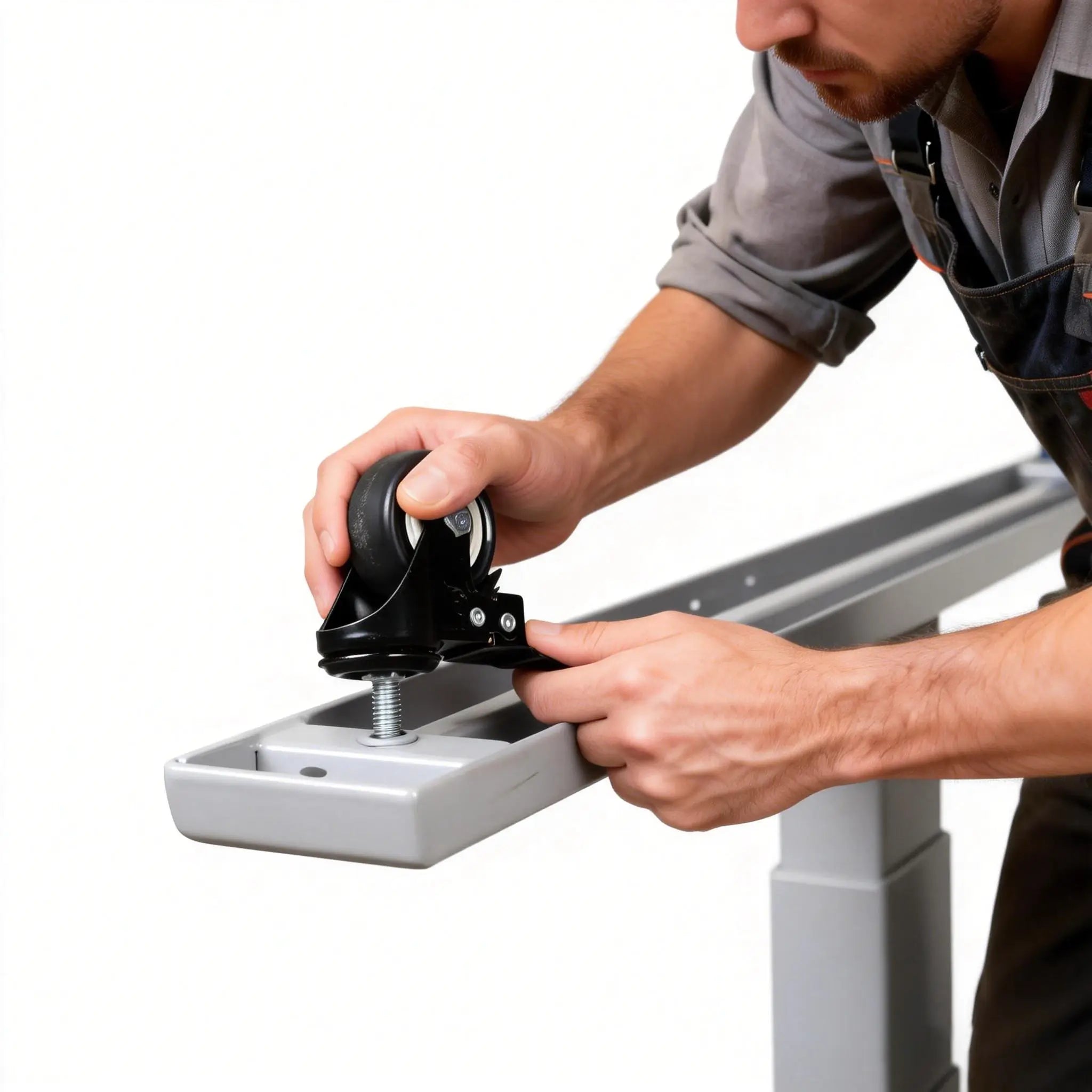
Use an adjustable wrench to grip the hex portion of the stem or the caster yoke if no hex is present. Avoid gripping the wheel itself, as this can cause damage.
Rotate the caster counterclockwise to unscrew it from the socket. Apply steady, controlled force rather than sudden torque to avoid stripping the threads.
Once loosened, remove the caster completely and inspect the threaded socket for damage, debris, or worn threads before installing a replacement.
If the threads are stripped, a threaded insert or replacement mounting plate may be required before installing a new caster.
Reapply penetrating oil and gently tap the wrench with a rubber mallet to break corrosion bonds.
This may indicate a damaged insert or internal nut. In this case, disassembly of the mounting structure may be required.
Understanding alternative stem designs helps ensure you choose the correct replacement:
If the wheel tread is worn, the swivel binds, or the stem threads show visible damage, replacement is recommended. Choosing the correct stem size, wheel material, and load capacity is critical for safety and performance.
You can explore compatible options on our stem casters collection, which includes multiple stem types and wheel materials for different applications.

No. Threaded stem casters require a wrench or socket to safely apply rotational force for removal.
Yes. Threaded stem casters generally provide higher pull-out resistance and are better suited for carts and equipment.
Only if the mounting socket is compatible. Threaded and grip ring stems are not interchangeable without modification.
Measure the stem diameter, thread pitch, and stem length using calipers or refer to the original equipment specifications.
Yes. Replacing all casters ensures consistent height, load distribution, and rolling performance.



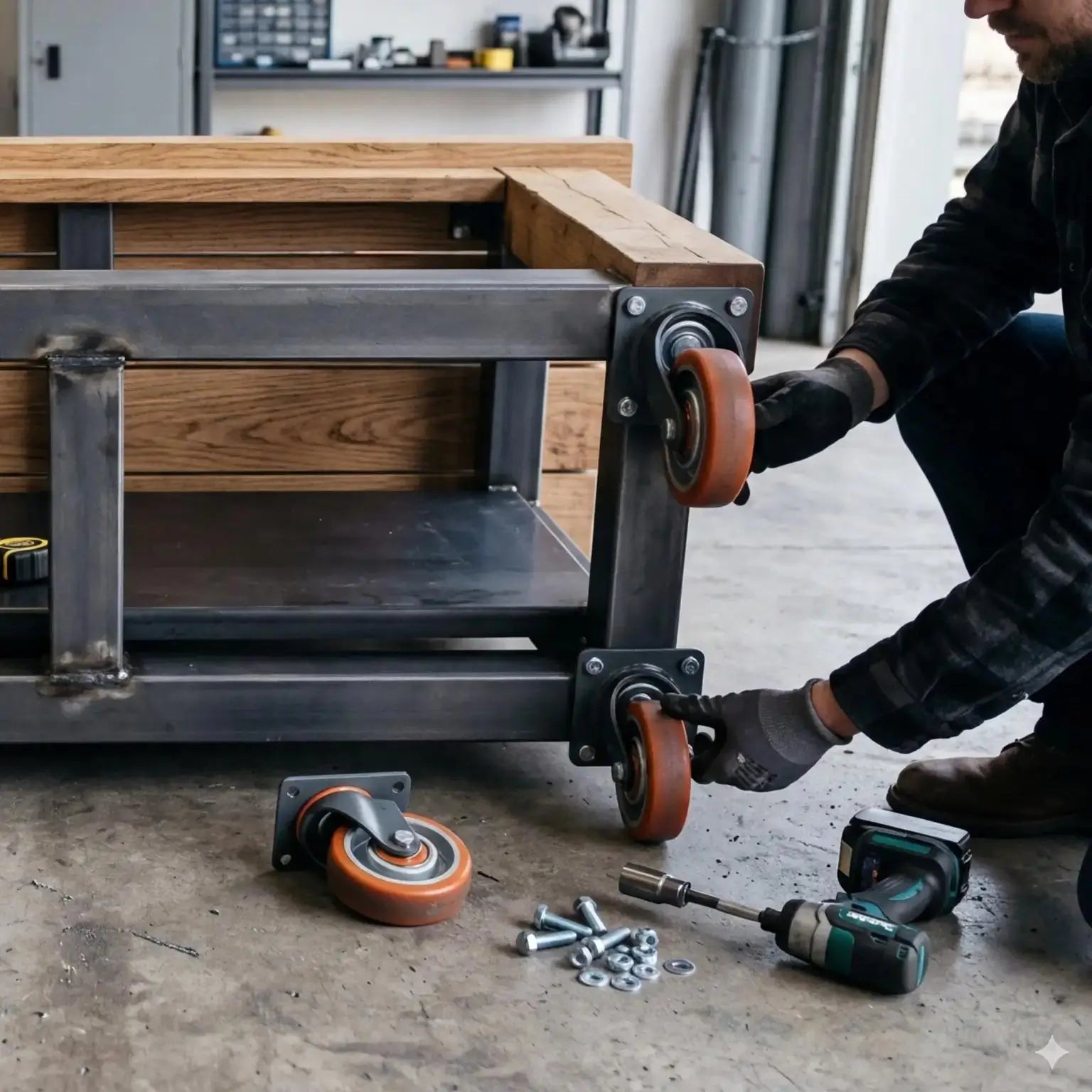

How to Install Casters with Stem
How to Install Threaded Stem Casters on Carts & Workbenches