
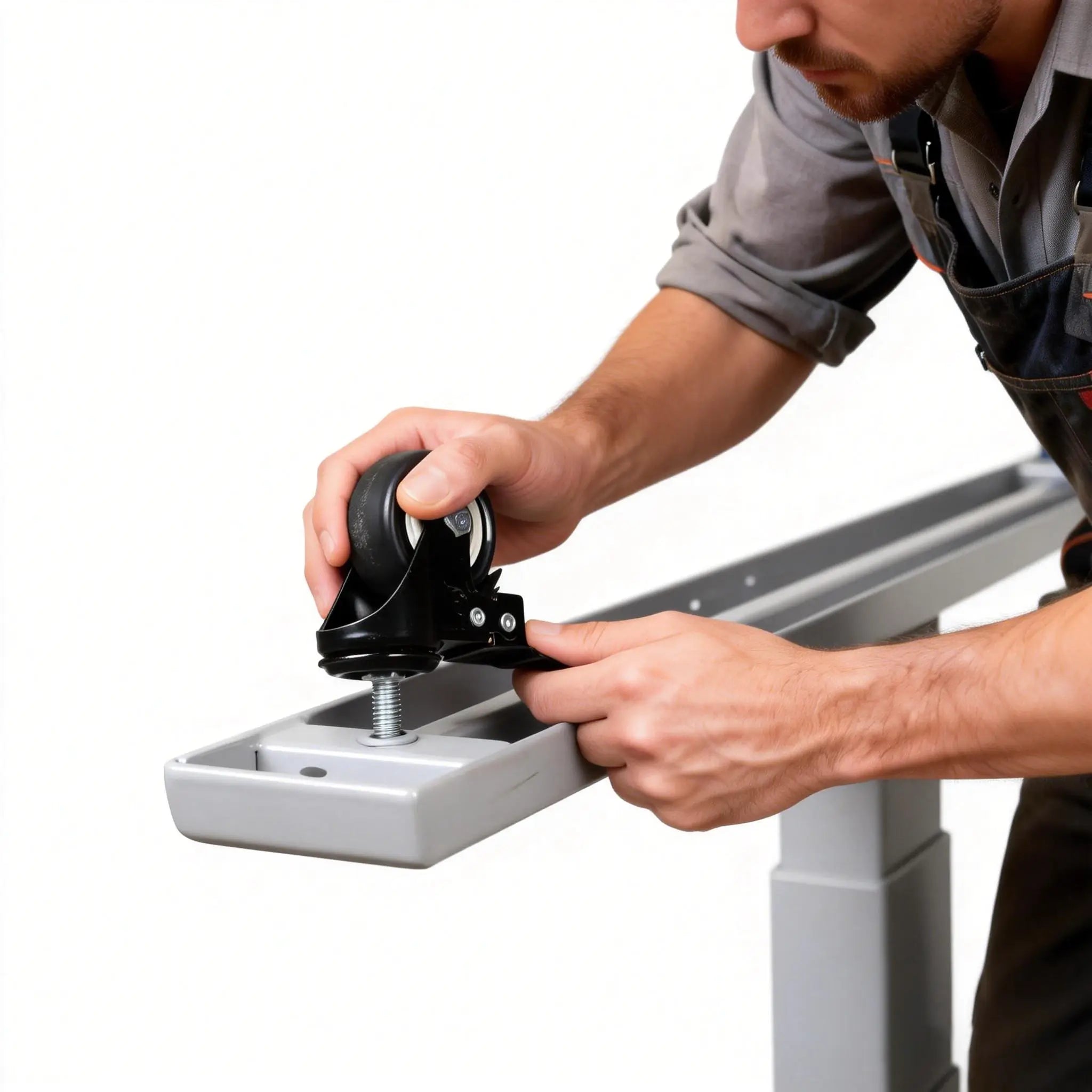
Threaded stem casters are one of the most widely used stem casters in industrial mobility, laboratory equipment, tool carts, and adjustable workbenches. Unlike plate-mounted caster wheels, stem casters provide a compact mounting solution that integrates directly into pre-drilled or tapped holes, making them ideal for carts and equipment where space, strength, and adjustable mobility are essential.
If installed correctly, threaded stem caster wheels improve equipment operation efficiency, workplace ergonomics, and industrial safety. This guide explains not only how to install threaded stem casters, but also how caster mechanics, load distribution, and floor protection influence long-term performance.
Before installation, it is important to understand how threaded stem casters differ from other stem casters.
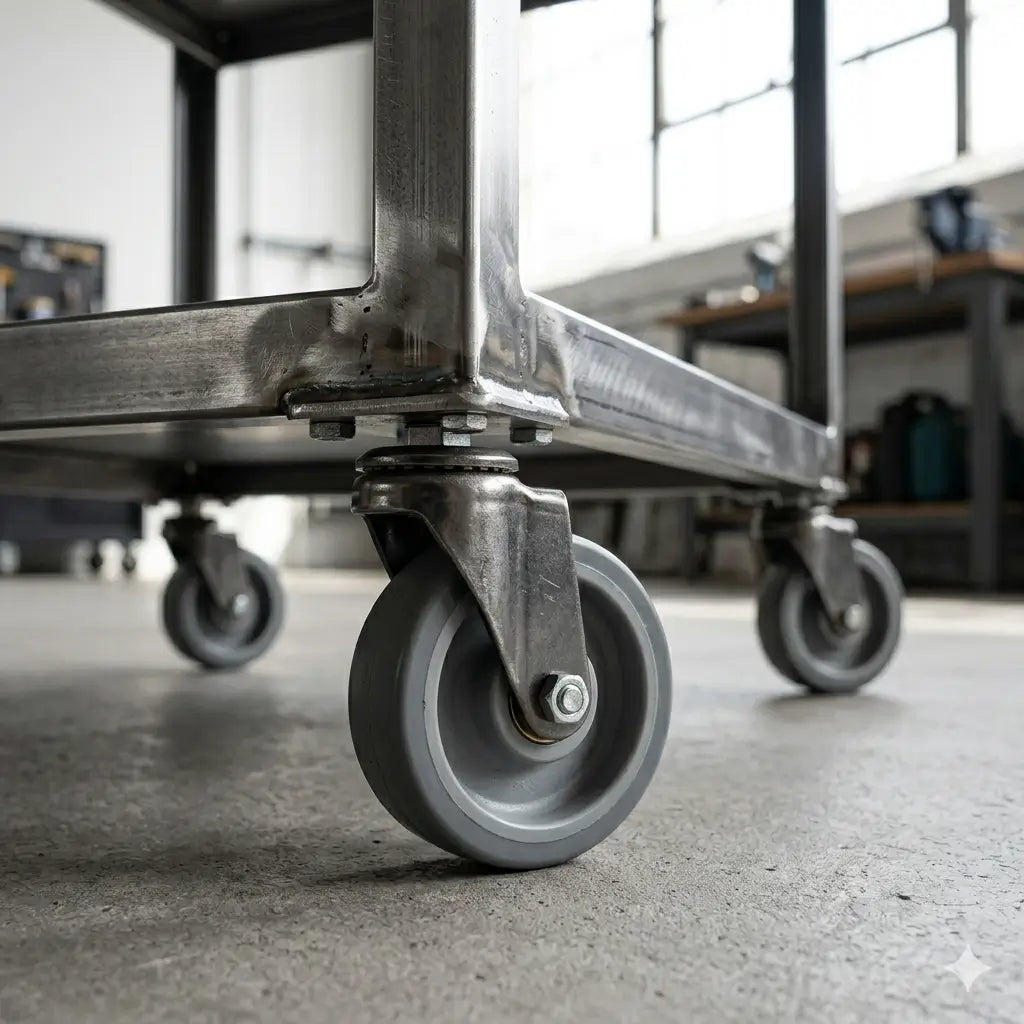
A threaded stem caster features a threaded bolt integrated into the swivel or rigid housing. This threaded stem screws directly into a tapped hole, threaded insert, or T-nut embedded inside a cart or workbench leg. Because the connection is mechanical rather than plate-mounted, proper thread size, depth, and torque are critical.
Common applications include:
This mounting method supports compact product design and is often chosen for suspension casters or leveling caster configurations.
Improper installation can cause:
Because stem casters transfer load through a narrower mounting interface compared to plate casters, precise installation directly affects industrial safety and equipment ROI.
The most common threaded stem sizes include 3/8"-16, 1/2"-13, M10, and M12. Confirm:
Mismatched threads are a major reason businesses lose stability in industrial mobility equipment. Never force a stem into an incompatible thread.
Ensure the cart leg or workbench frame:
For hollow tubing frames, threaded inserts or weld nuts are recommended. This improves caster mechanics and prevents long-term loosening.
In high-vibration environments such as logistics mobility or warehouse carts, applying medium-strength thread locker prevents loosening during equipment operation.
This is particularly important in industrial mobility systems exposed to repetitive motion or uneven flooring.
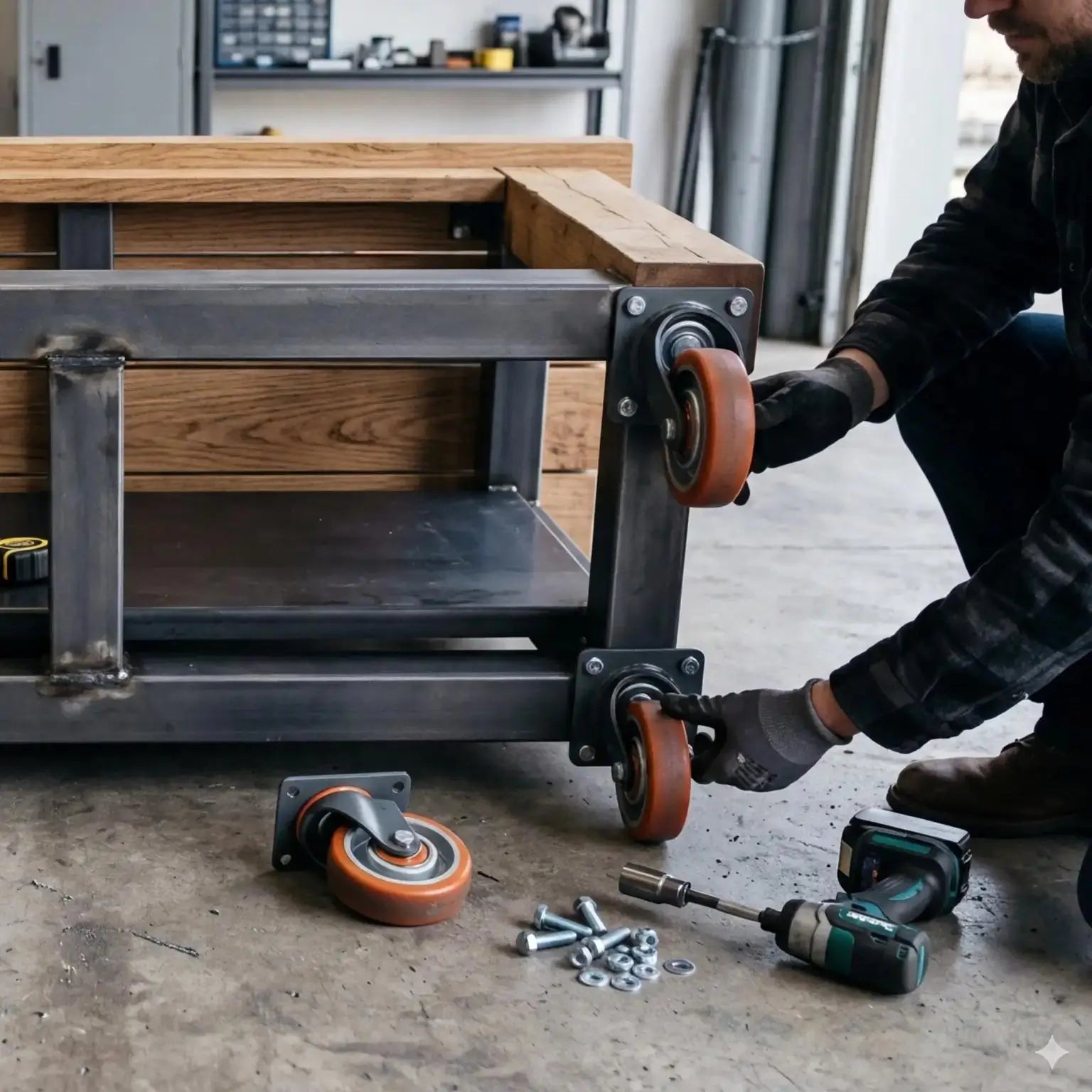
Insert the threaded stem manually first to ensure alignment. Once hand-tightened, use a wrench to secure it firmly. Avoid over-tightening, which may:
For industrial engineering applications, torque specifications should match equipment load requirements.
After installation:
Uneven caster contact may indicate frame misalignment or inconsistent stem insertion depth.
Load calculation is critical for caster selection and safe operation.
Formula example:
Total Equipment Weight + Maximum Load ÷ Number of Casters × Safety Factor (1.3)
Threaded stem casters must be selected not only for wheel diameter but also for load capacity and caster materials. Industrial polyurethane wheels provide floor protection and reduce vibration. Nylon wheels may suit laboratory equipment where chemical resistance is required.
Choosing proper caster materials supports environmental mobility and workplace safety.
Incorrect wheel material can damage epoxy floors or polished concrete, increasing maintenance costs and lowering ROI.
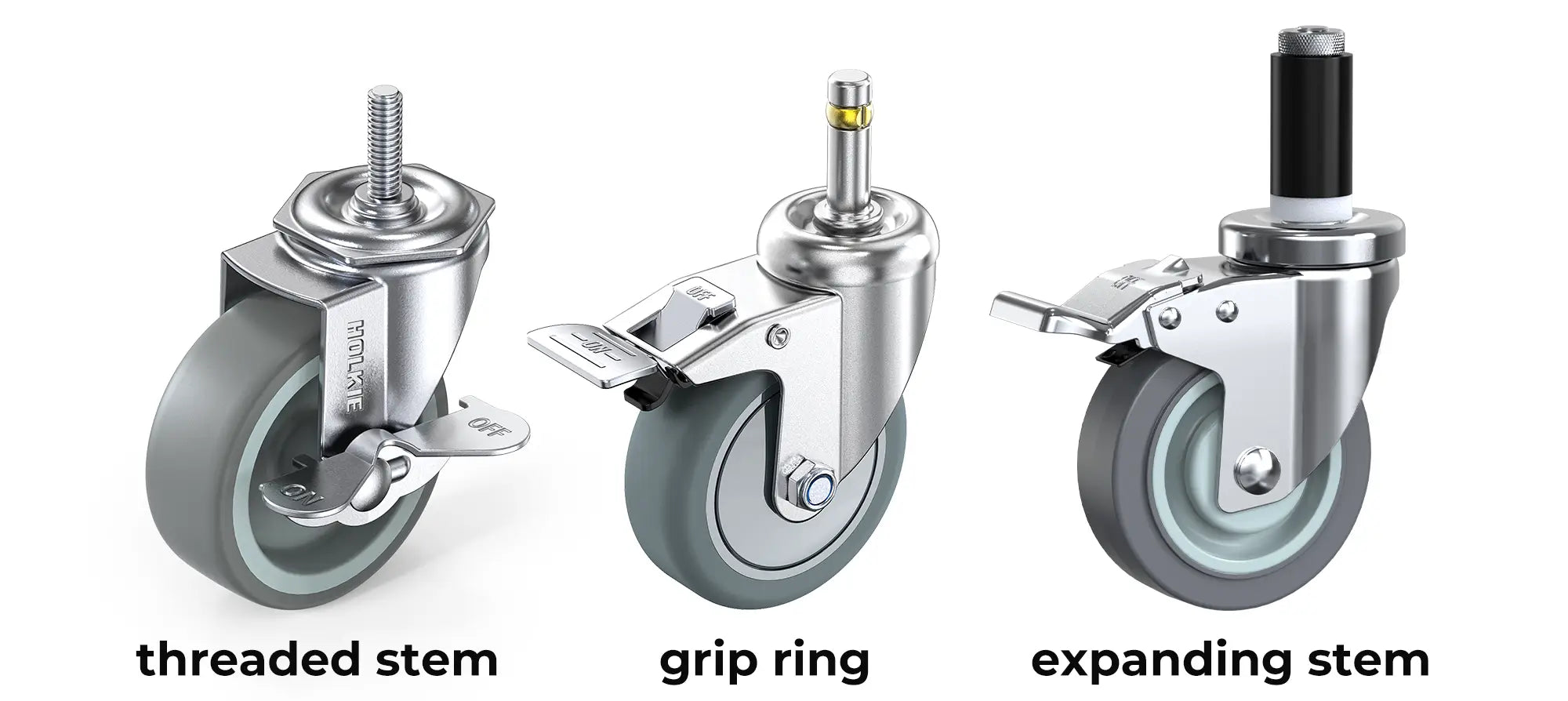
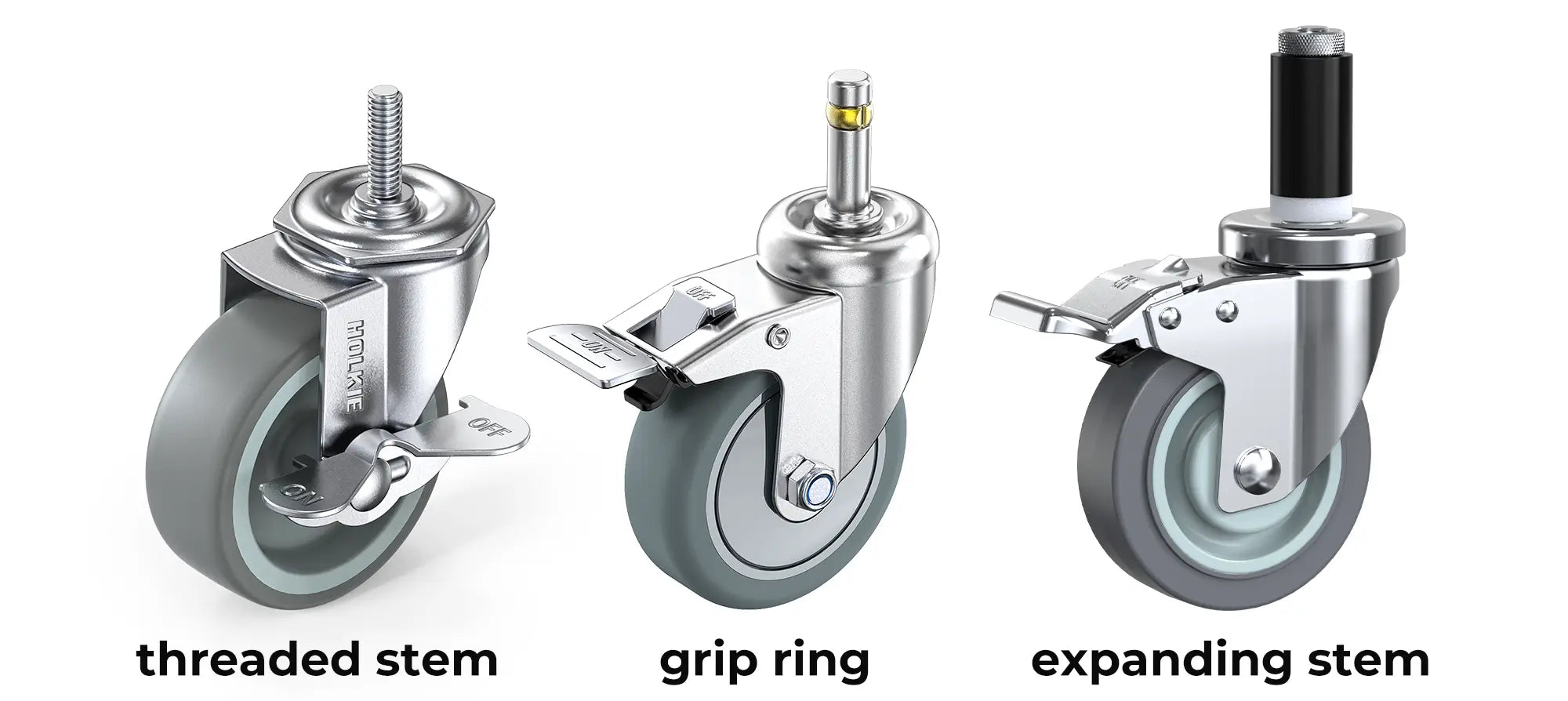
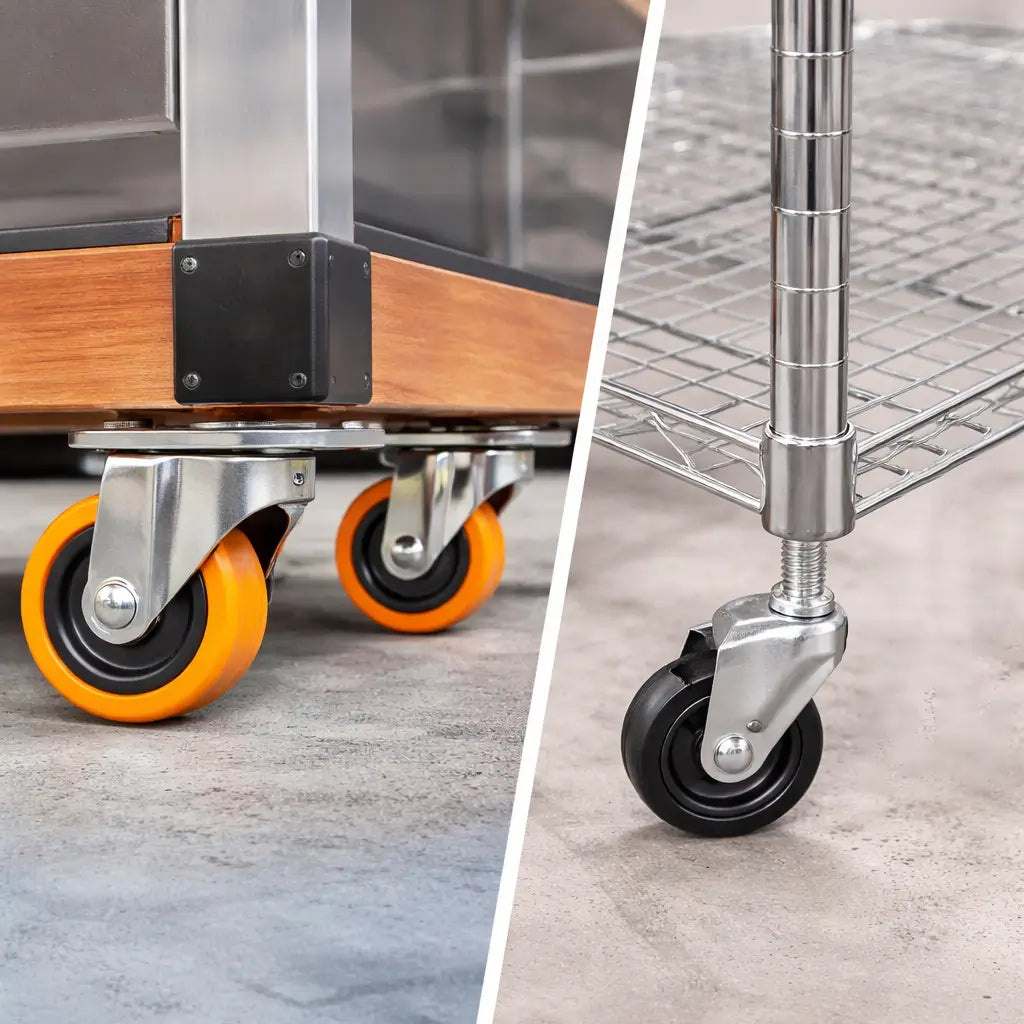
Compared with grip ring stem casters, threaded stems offer stronger mechanical fastening and higher load tolerance. Grip ring stems are faster for light-duty equipment but not recommended for heavy industrial engineering systems.
Expanding stem casters are typically used in tubular furniture. Threaded stems remain the preferred solution for industrial carts and adjustable workstations.
Regular caster maintenance extends service life and protects workplace ergonomics.
Preventive maintenance reduces downtime in industry applications such as manufacturing, healthcare mobility, and logistics operations.
Threaded stem caster wheels are widely used in:
Because threaded stem casters support compact product design and adjustable mobility, they are ideal for environments requiring precision movement and load stability.
Correct installation minimizes:
Industrial safety protocols recommend load testing after caster installation to ensure compliance with equipment operation standards.
Sustainable materials and durable caster construction reduce replacement frequency and support sustainability goals. Selecting high-quality threaded stem casters made from recyclable steel and long-lasting polyurethane contributes to environmental mobility strategies.
Installing threaded stem casters on carts and workbenches is more than a mechanical process. It directly impacts industrial mobility, workplace safety, floor protection, and equipment ROI. By confirming thread specifications, ensuring structural integrity, selecting appropriate caster materials, and following proper torque procedures, businesses can achieve long-term stability and safe operation.
For companies optimizing adjustable mobility systems or upgrading industrial carts, properly installed threaded stem casters provide reliable performance across logistics, laboratory, healthcare, and manufacturing environments.
Threaded stem casters are commonly used on industrial carts, adjustable workbenches, laboratory equipment, healthcare mobility systems, and logistics carts. They provide compact mounting with strong mechanical fastening, making them ideal for industrial mobility applications.
Always start by hand-threading the stem to ensure proper alignment. Then tighten with a wrench to secure the caster firmly. Avoid over-tightening, as excessive torque may damage threads or deform internal mounting inserts.
Standard sizes include 3/8"-16, 1/2"-13, M10, and M12. It is important to confirm both diameter and pitch before installation to prevent thread stripping or instability.
Yes. Regular inspection of thread integrity, swivel bearings, and wheel wear is recommended, especially in industrial engineering and logistics environments. Preventive caster maintenance extends service life and improves workplace safety.
When properly selected and installed, threaded stem casters can support substantial loads. Always calculate total equipment weight and include a safety factor to ensure safe operation.



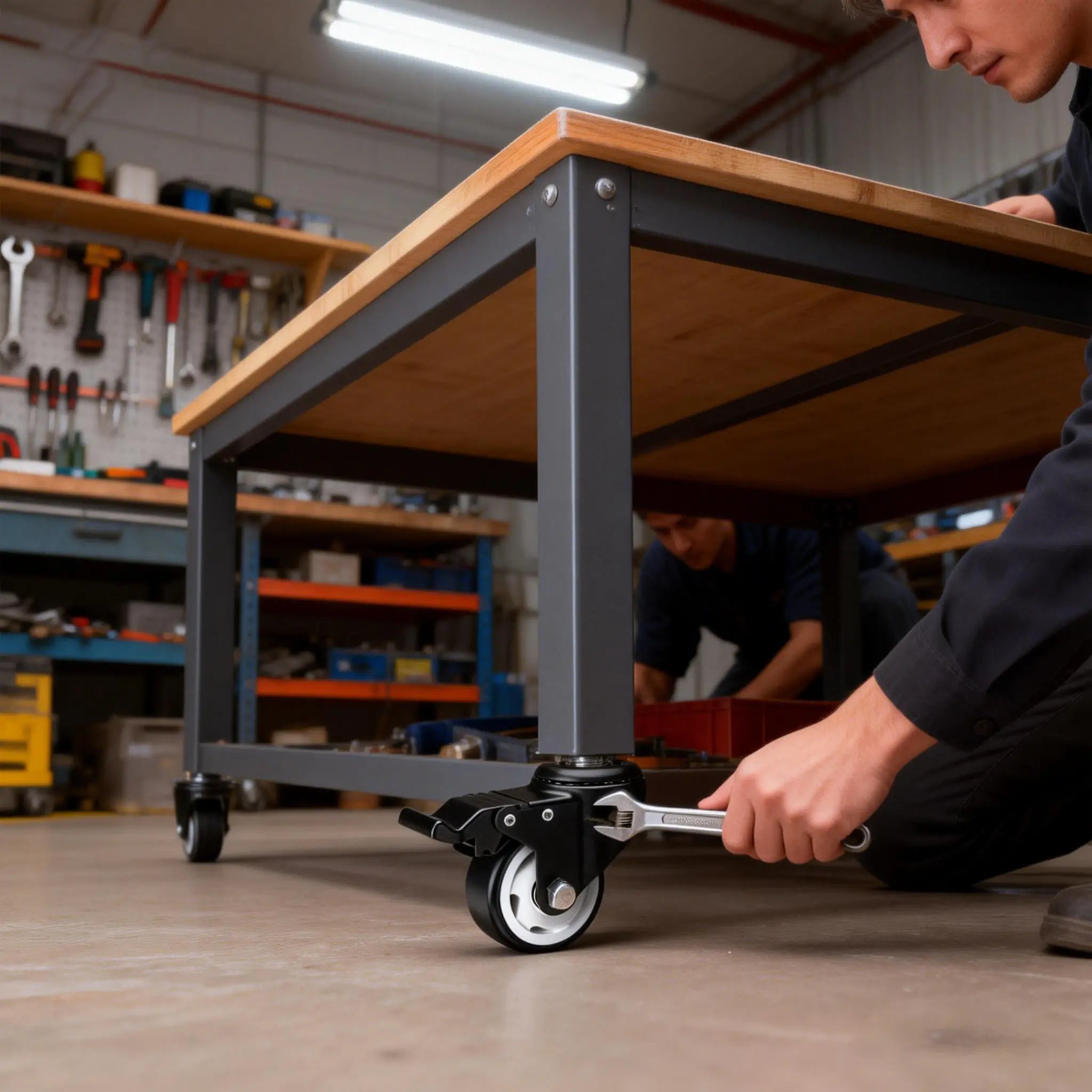
How to Remove Threaded Stem Casters