
- by StephensonRyan
Design Feature: Retractable Casters for Modern Aesthetics and Seamless Mobility
- by StephensonRyan
In modern product design, functionality is expected, but seamless integration is celebrated. For furniture, display units, and mobile equipment, the designer faces a challenge: how to provide industrial-level mobility without sacrificing clean aesthetics or user ergonomics. Retractable casters are the elegant solution, transforming from a hidden functionality to a crucial design feature.
This article explores how designers utilize retractable casters not just for movement, but to enhance the visual appeal, safety, and ultimate usability of furniture and equipment across commercial and office environments.
A significant barrier to using casters on commercial or office furniture is the desire for a clean, floor-flush look when the item is stationary.
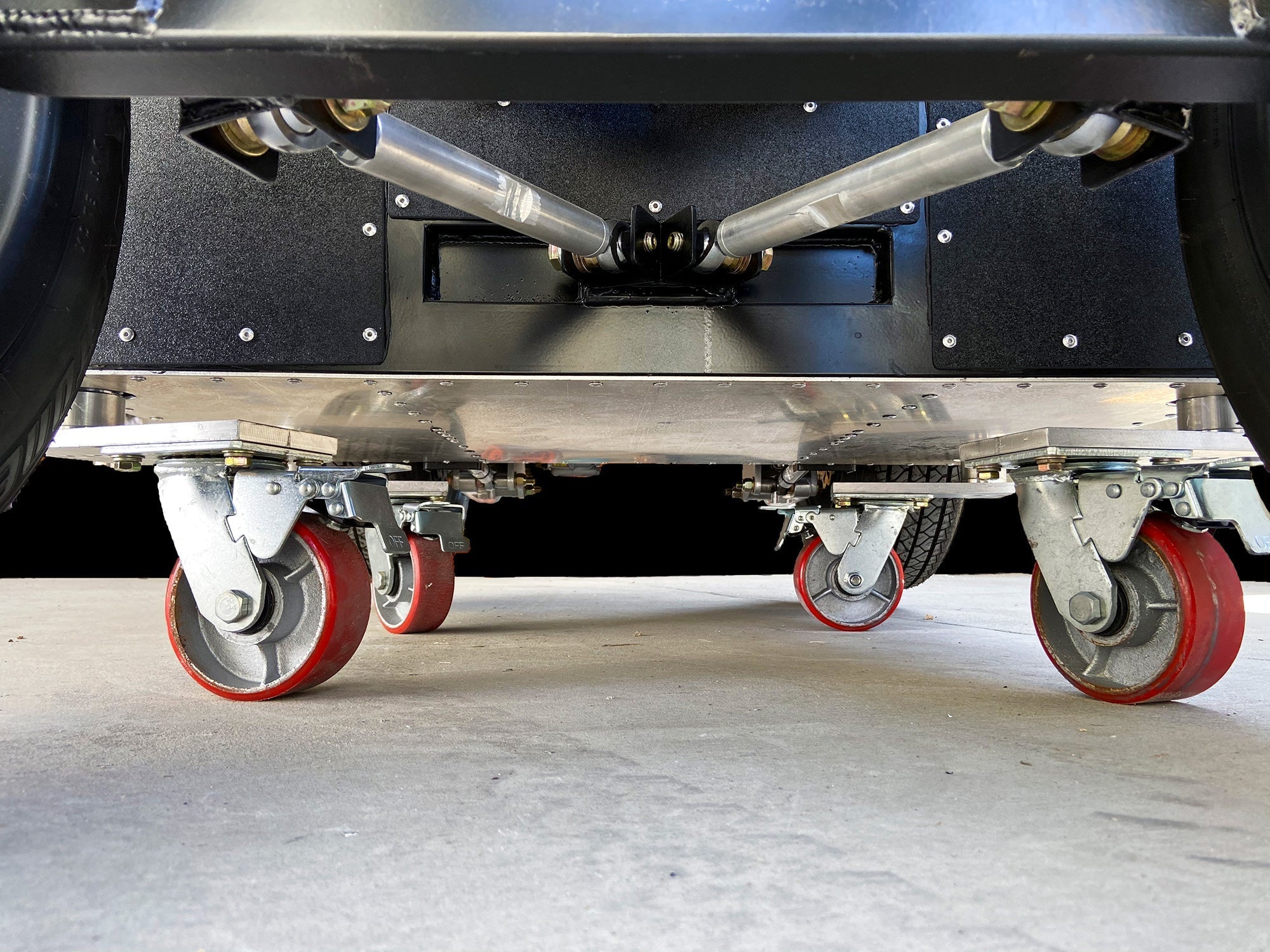
Minimalist Appeal: Retractable casters allow a piece of furniture (like a display cabinet, high-end workbench, or corporate media center) to sit directly on its finished base or leveling feet, eliminating the visible gap and mechanical clutter of traditional wheels. This creates a minimalist, permanent aesthetic.
Protecting Design Integrity: When retracted, the wheels are concealed, meaning the focus remains on the product's finish and structure, allowing designers to prioritize materials and form without compromising stability or utility.
The retraction mechanism itself is often integrated into the design. For example, a sleek foot-operated lever provides a tactile, user-friendly point of interaction that signals functionality without dominating the overall look. It transforms mobility from a struggle into a simple, deliberate action.
Good design focuses on the user experience. Retractable casters simplify interaction, especially when handling heavy items.
Simplified Reconfiguration: Users can quickly and easily reposition heavy desks, shelving units, or training tables without calling maintenance or risking injury. The effortless engagement of the caster system is a huge win for everyday workplace ergonomics.
Immediate Stability: The immediate shift from smooth rolling to rock-solid stability when the wheels are retracted ensures that the unit is safe for use (e.g., writing, operating heavy tools, or using precision instruments). This provides user confidence and operational security.
In retail and commercial environments, floor cleaning is constant. Retractable casters offer a design benefit by:
Facilitating Access: Allowing display cases or heavy sales counters to be quickly raised and rolled, providing floor maintenance teams full, unhindered access for cleaning and polishing underneath the unit.
Non-Marking Commitment: When deployed, quality retractable casters use high-grade, non-marking wheel materials (like Thermoplastic Rubber or soft PU), ensuring that the mobility feature does not damage expensive commercial flooring.
The shift toward modular, collaborative workspaces requires furniture that can adapt instantly.
Office Flexibility: In the modern office, retractable casters are key to creating flexible huddle spaces or temporary workstations, allowing companies to maximize their commercial real estate efficiency by making one area serve multiple functions.
Retail Displays: They enable seasonal display kiosks or heavy shelving units to be rearranged overnight without specialized tools, supporting rapid merchandising updates and store flow optimization.
Retractable casters are a triumph of functional design. They allow heavy, complex, or high-end items to retain their aesthetic value while offering supreme mobility and stability on demand. For designers and product engineers, integrating this technology means delivering a finished product that is not only beautiful but also inherently adaptable, safe, and intuitive for the end-user.

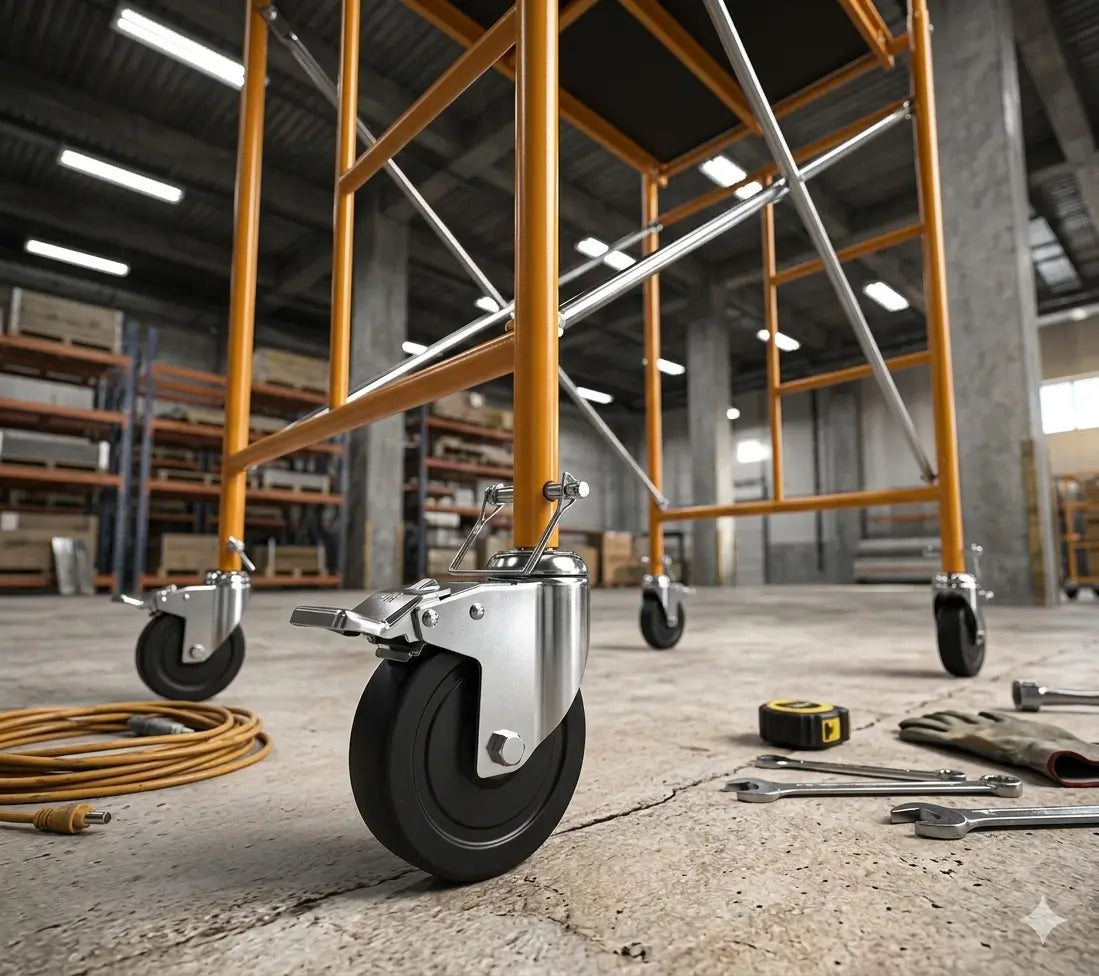
How Do Wheel Casters Enhance Productivity in Logistics and Warehousing?
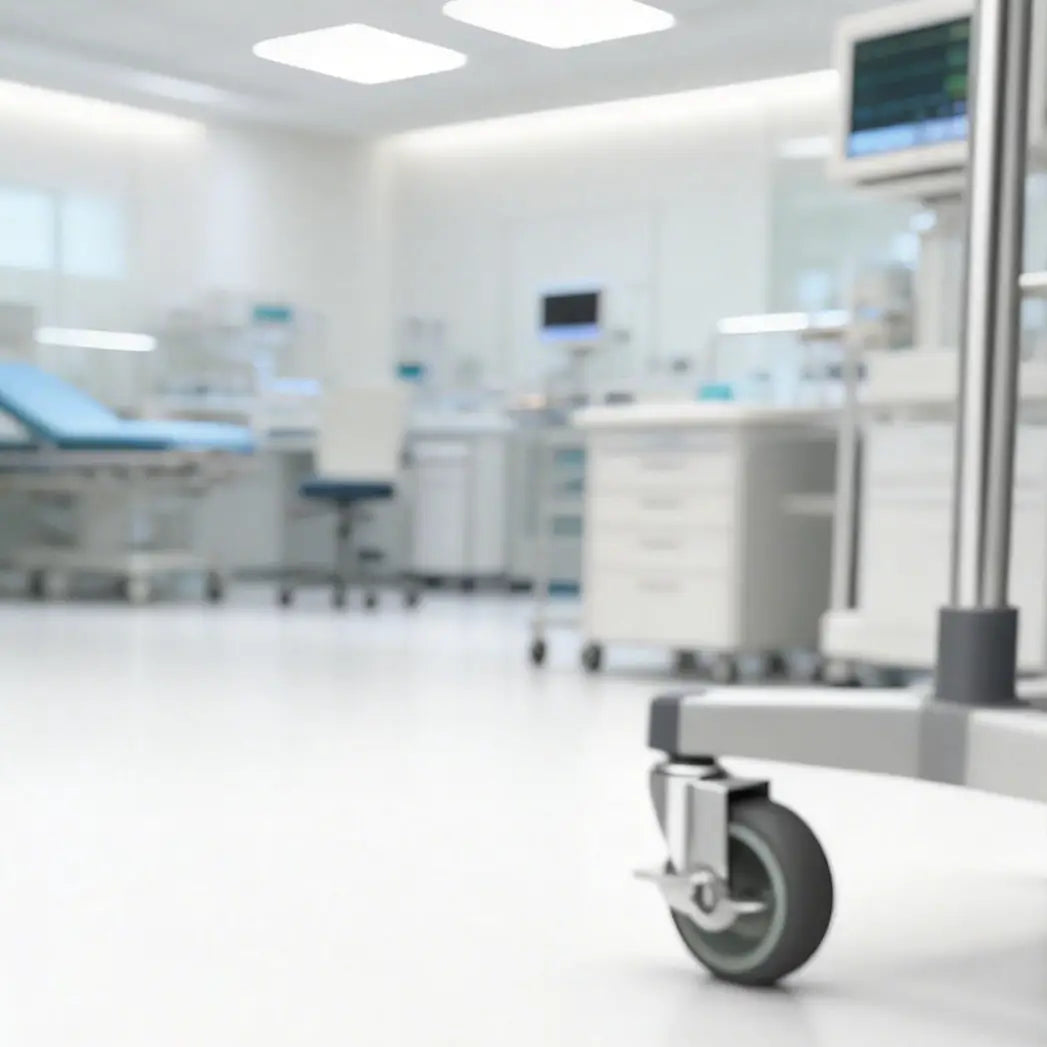
How Retractable Casters Slash the Total Cost of Ownership (TCO) for Medical Equipment