- by StephensonRyan
How Retractable Casters Slash the Total Cost of Ownership (TCO) for Medical Equipment
- by StephensonRyan
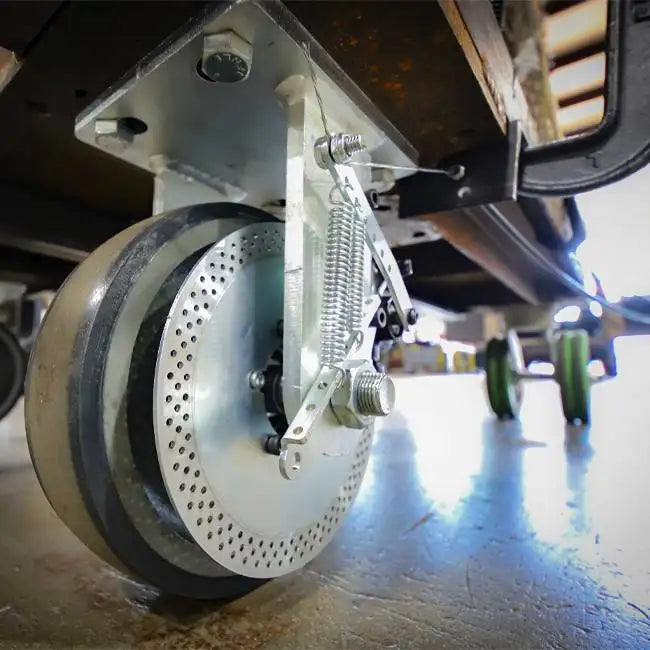
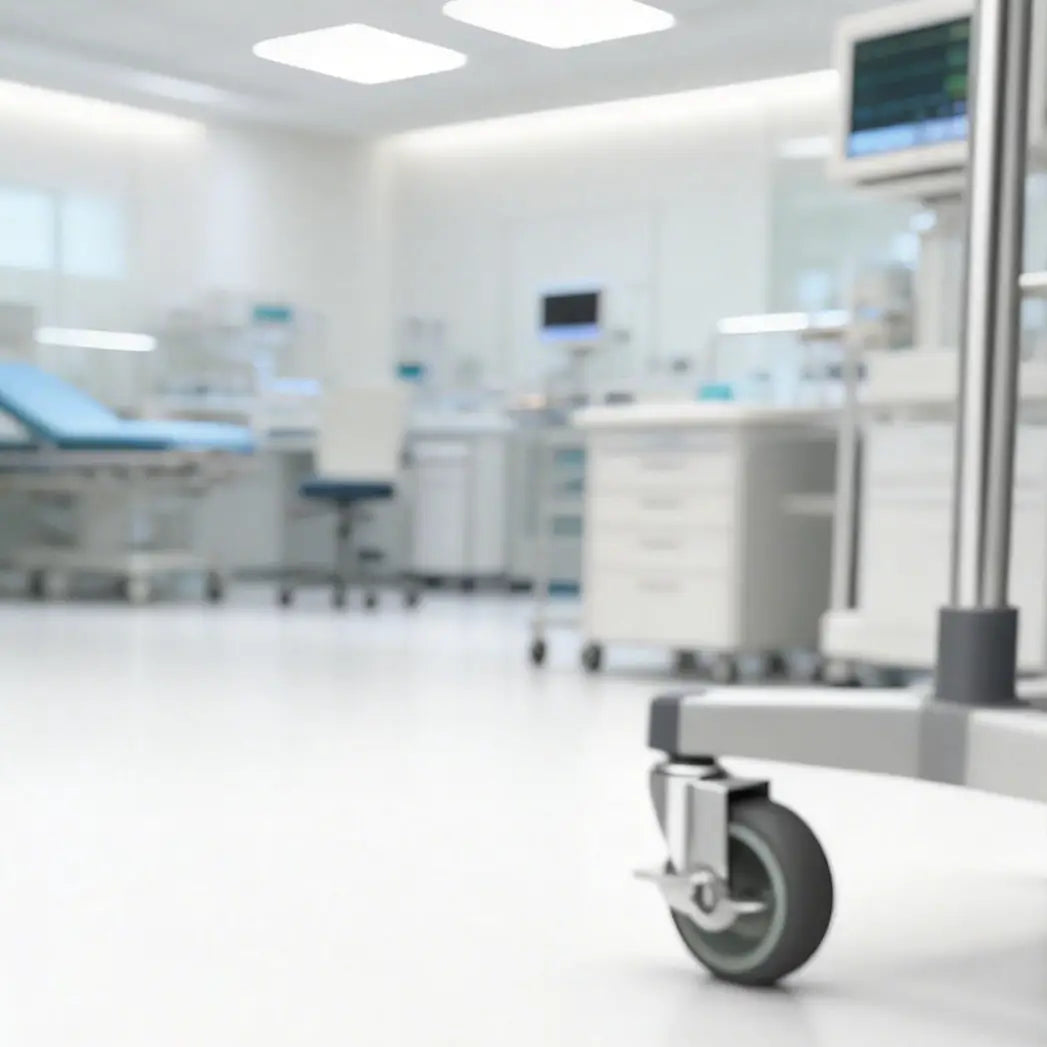
In the demanding world of healthcare, the true cost of critical medical equipment—from diagnostic machines to mobile operating tables—extends far beyond the initial purchase price. The hidden expenses lie in maintenance, staff injury claims, patient fall risks, and operational inefficiencies. Retractable Casters are often viewed as a simple component, but for procurement and operations managers, they represent a significant variable in the Total Cost of Ownership (TCO).
This article provides a cost-benefit analysis (CBA) framework, demonstrating how investing in high-quality retractable casters is a strategic decision that dramatically reduces long-term operational costs and maximizes your equipment’s ROI.
The most tangible cost savings from superior retractable casters stem from improvements in equipment lifecycle and upkeep.
Traditional casters often require locking mechanisms that are prone to failure under the corrosive effects of common medical disinfectants.
Corrosion Resistance: Premium retractable casters utilize stainless steel or corrosion-resistant polymers in their housing and axles, dramatically extending the time between failure (MTBF) and reducing the frequency of costly, unplanned replacement labor.
Precision and Longevity: By fully retracting, the equipment's base—not the caster itself—bears the load. This design eliminates caster deflection and minimizes micro-movement during critical procedures (like imaging or surgery), preserving the lifespan of both the caster components and the sensitive electronics they support.
Hygiene directly impacts operational cost (e.g., managing hospital-acquired infections, HAIs).
Unimpeded Access: The ability to fully lift and stabilize a piece of equipment simplifies deep-cleaning protocols. Staff can easily access the floor space underneath the equipment's chassis without complex maneuvers, ensuring compliance with strict sterilization standards.
Faster Turnaround: Reduced cleaning time for equipment like stretchers and procedure carts translates directly into faster room turnaround and increased utilization rates, effectively lowering the per-use operating cost.
The most significant financial benefits are often realized through the reduction of risk and improved Human Factors (Ergonomics).
Musculoskeletal Disorders (MSDs) are a leading cause of workers’ compensation claims among healthcare staff.
Patient stability and comfort are tied to HCAHPS (Hospital Consumer Assessment of Healthcare Providers and Systems) scores, which influence hospital reimbursement.
The ultimate payoff is optimizing the utilization of expensive medical assets.
The decision to invest in high-performance retractable casters is not a simple expense; it is a strategic investment in operational efficiency, staff health, and patient safety. By providing a perfect balance of fluid mobility and rock-solid stability, these casters are proven to reduce the TCO of your medical equipment, ensuring a superior ROI for healthcare facilities dedicated to quality care.

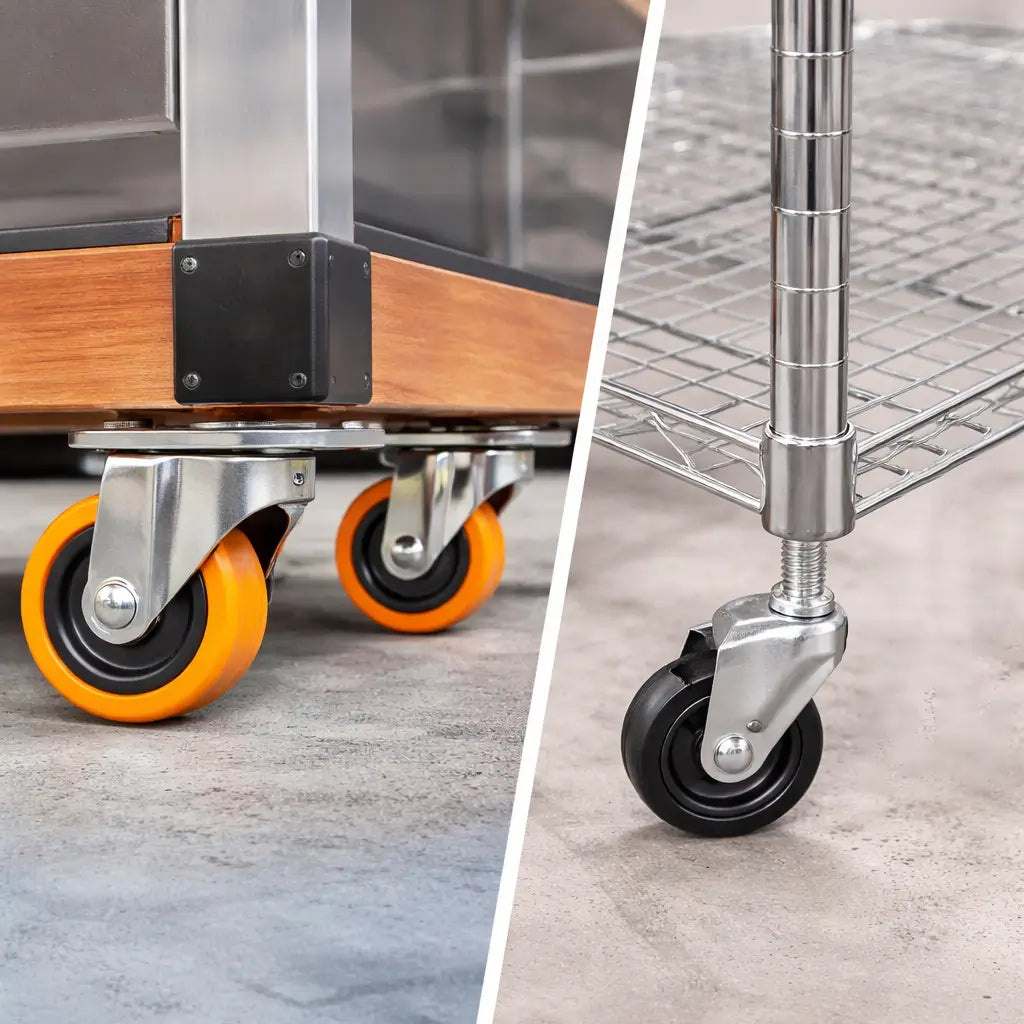
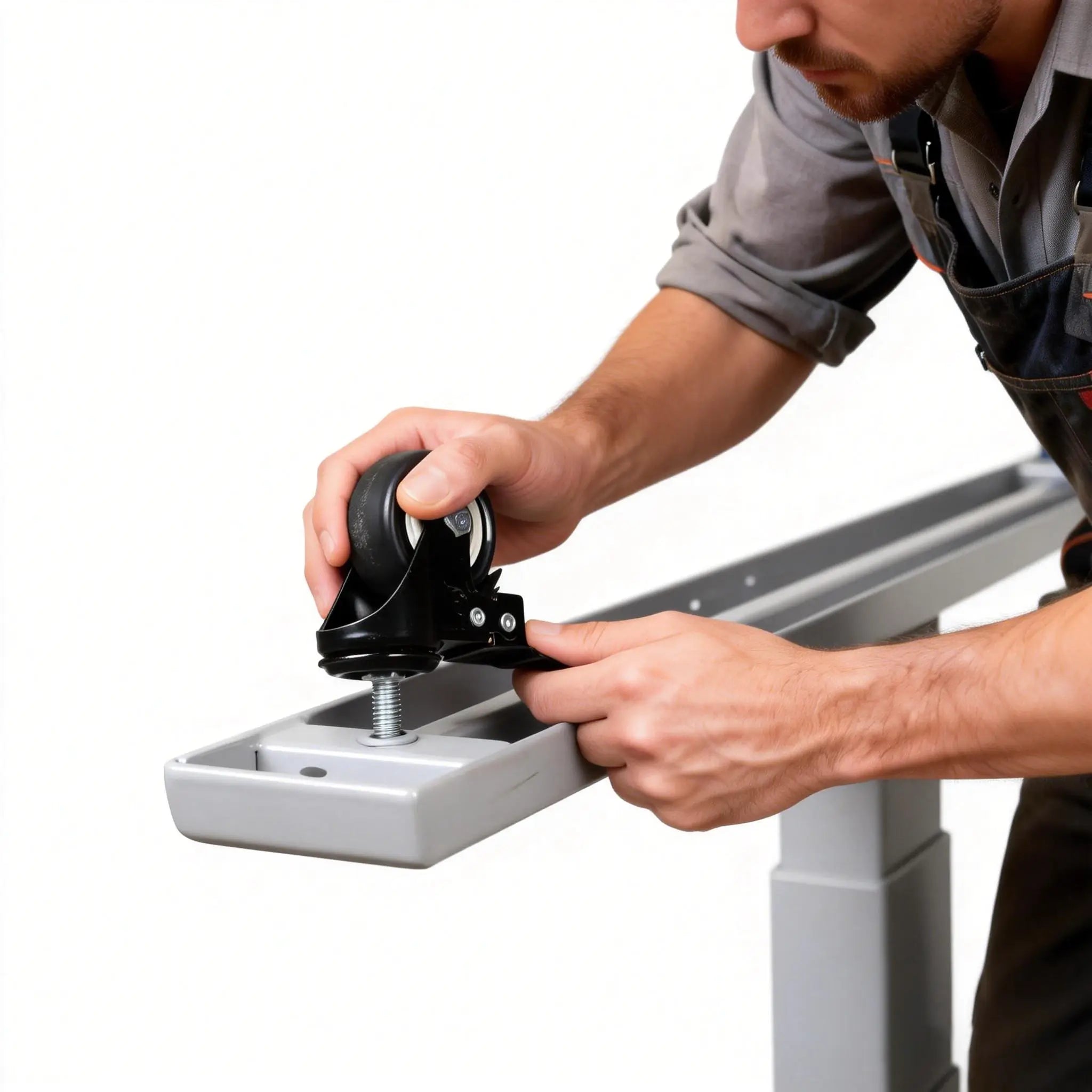
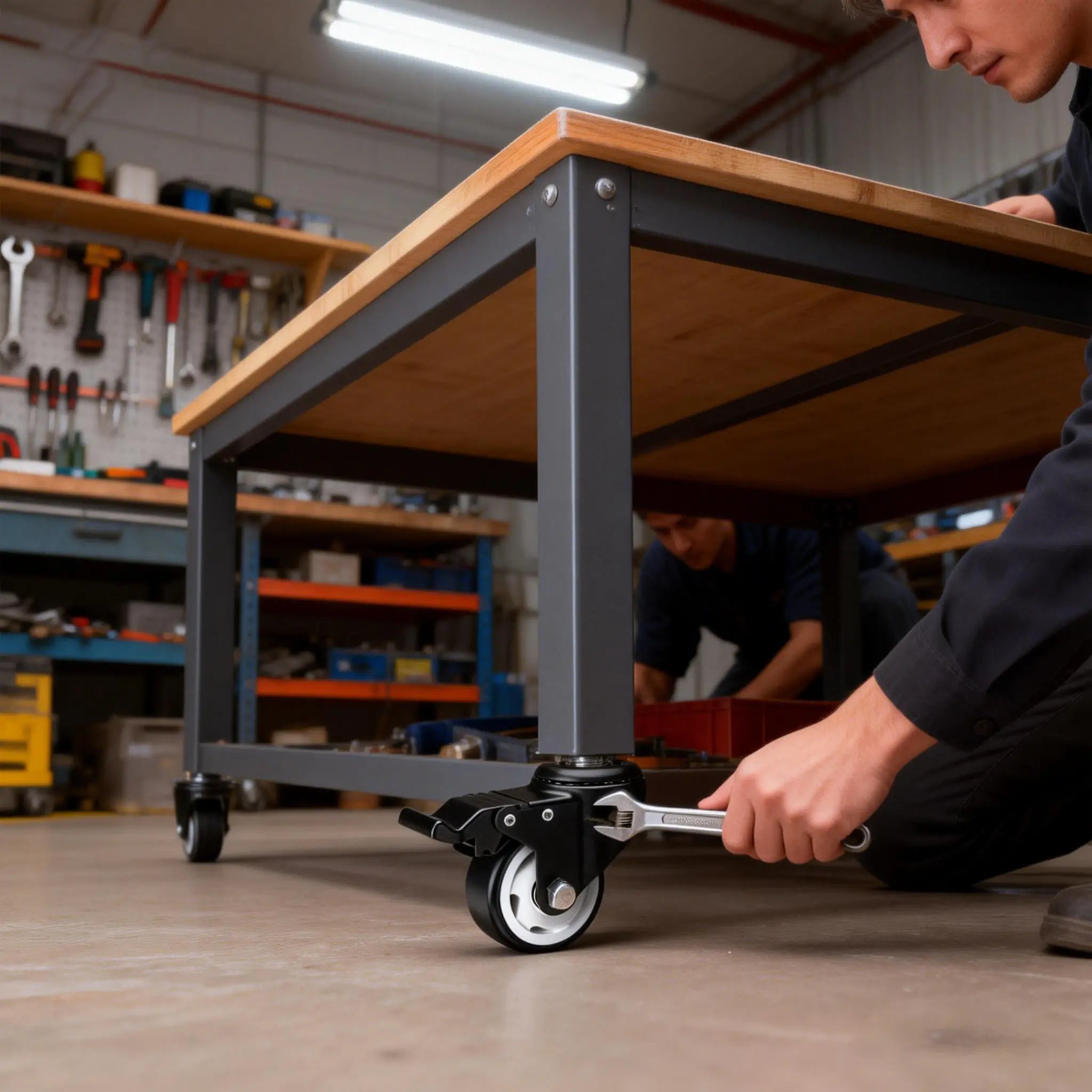
Design Feature: Retractable Casters for Modern Aesthetics and Seamless Mobility
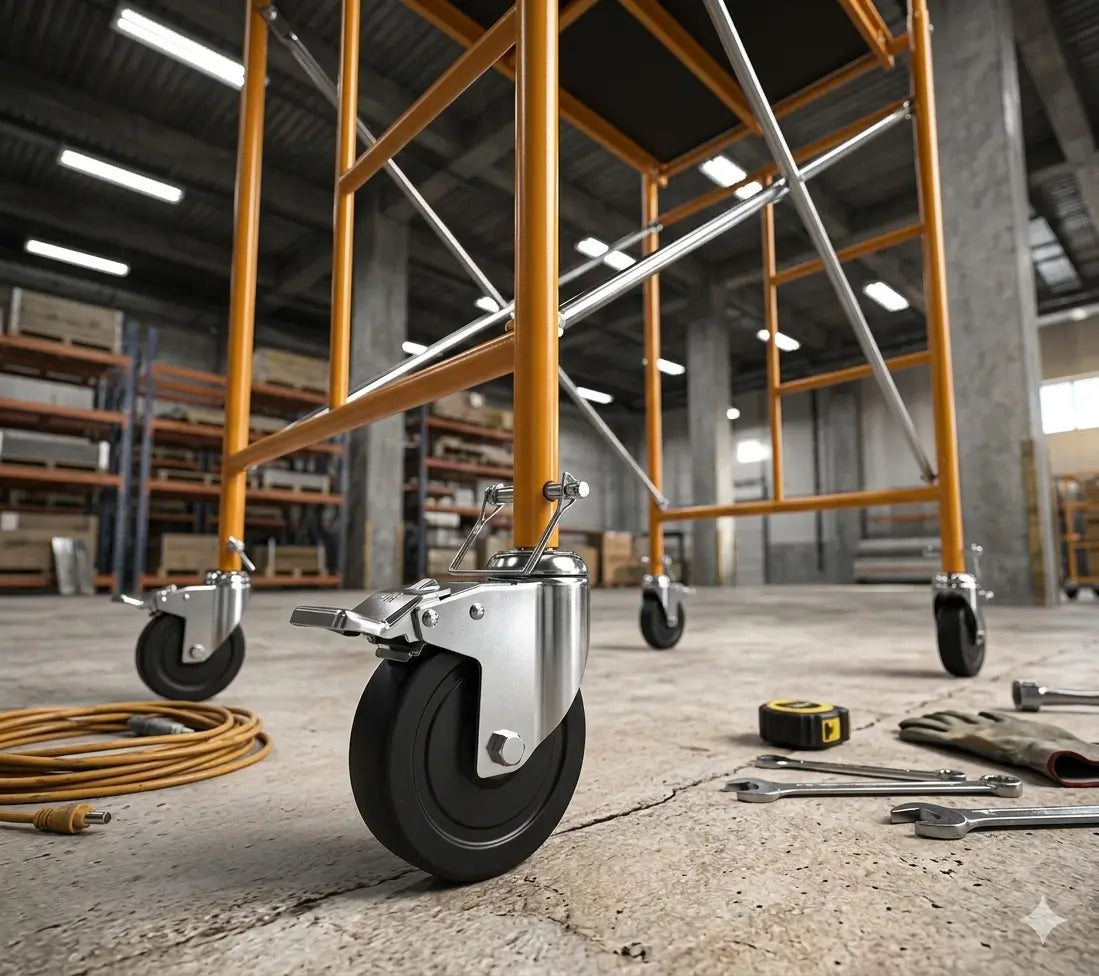
How Do Wheel Casters Contribute to Improved Mobility in Industrial Workplaces?