
- by ArenaCommerce
How Do Wheel Casters Enhance Productivity in Logistics and Warehousing?
- by ArenaCommerce
In the fast-paced world of logistics and warehousing, efficiency and productivity are paramount. Wheel casters play a crucial role in meeting these demands by enabling the smooth movement of goods, equipment, and materials. But how exactly do wheel casters enhance productivity in these settings?
This article explores the transformative impact of wheel casters in logistics and warehousing, with a focus on their applications, benefits, and the features that make them indispensable.
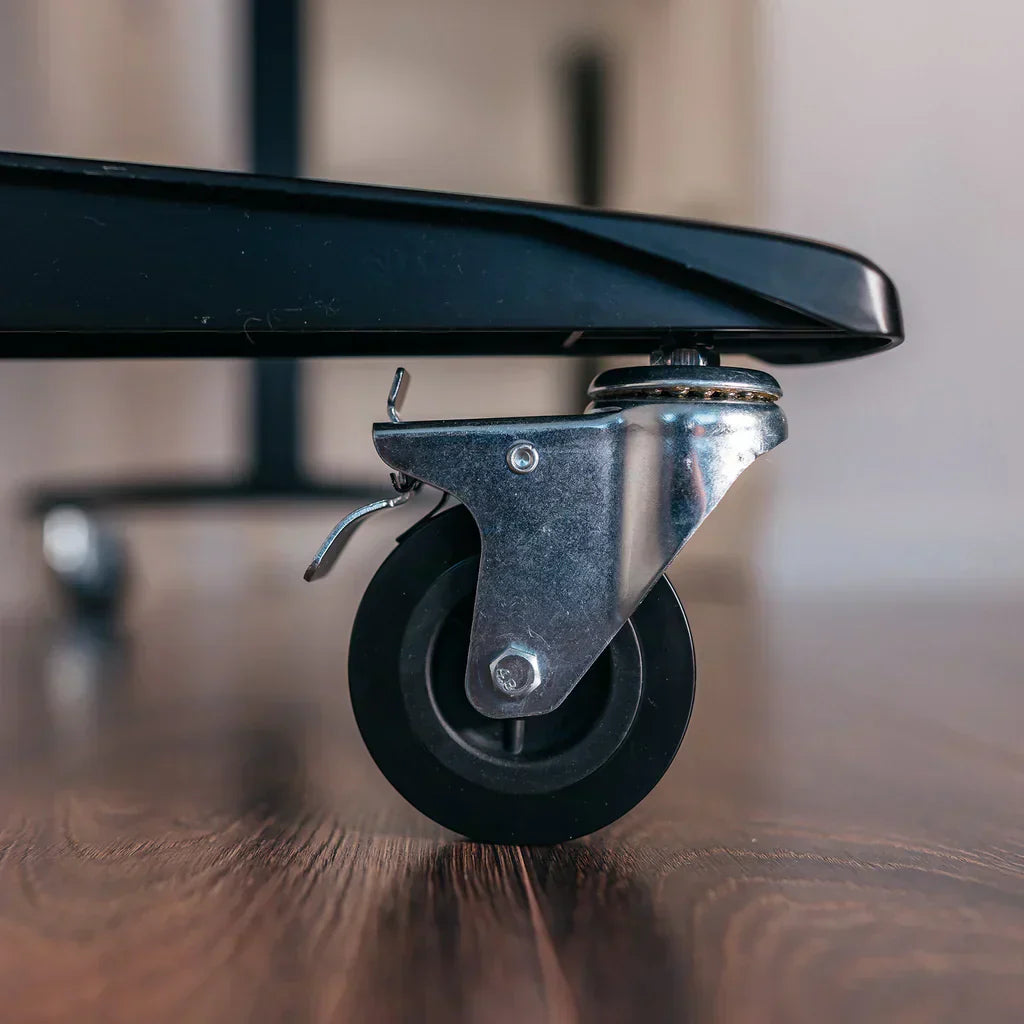
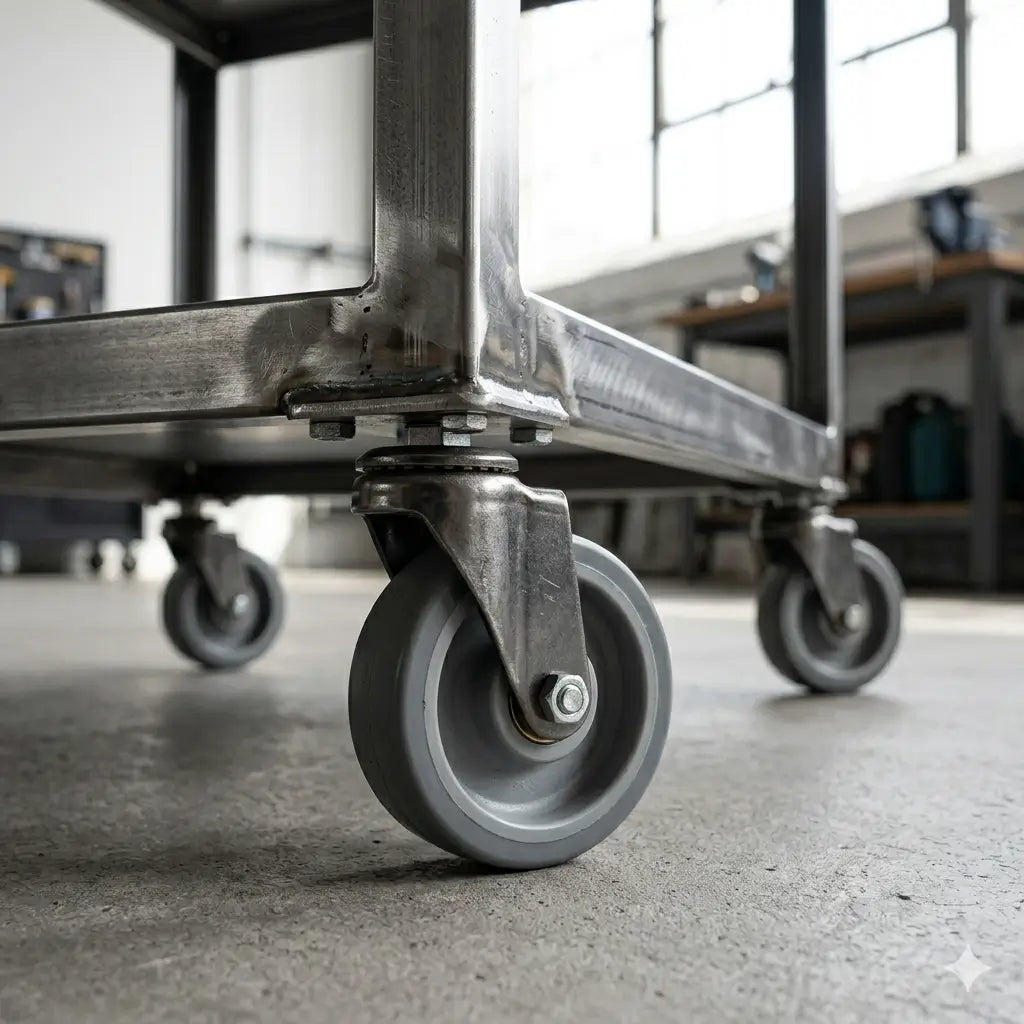
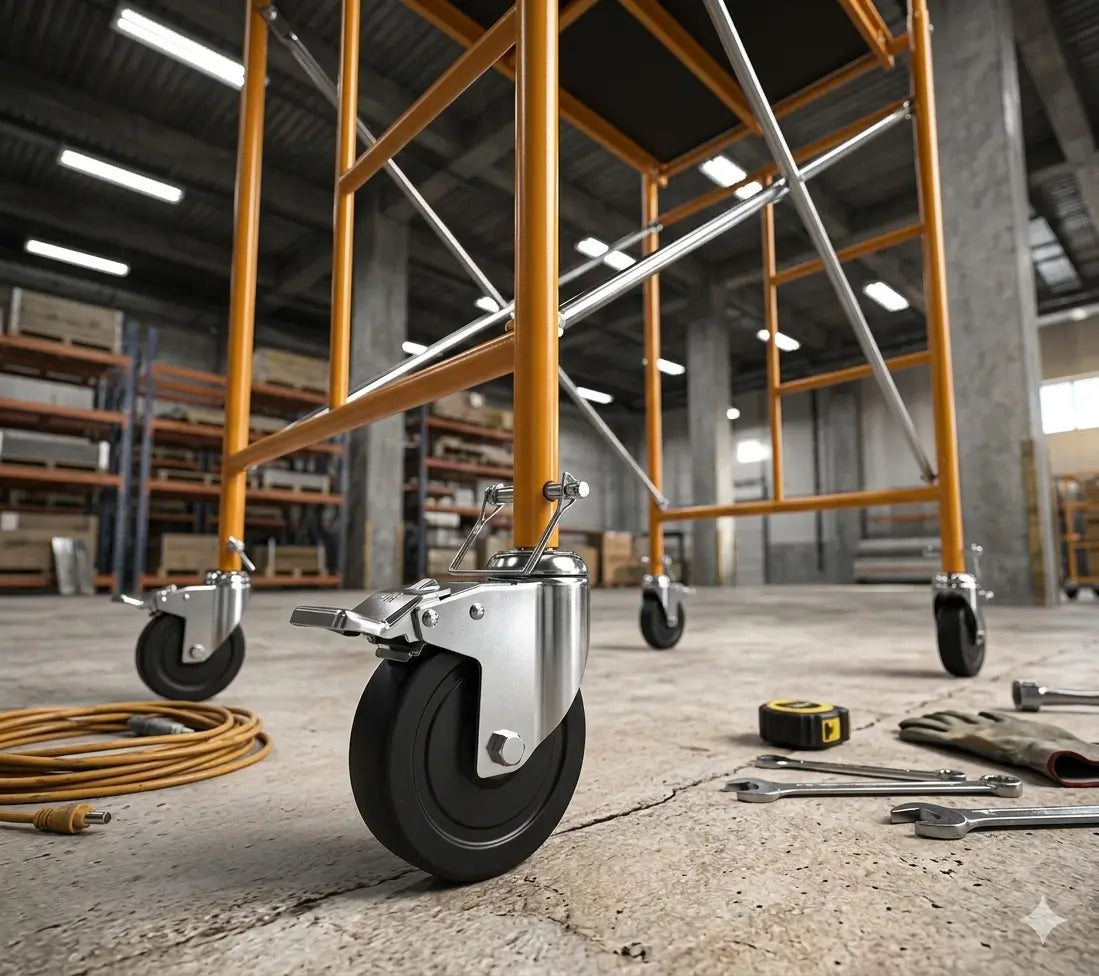
Wheel casters are integral to the movement of goods within warehouses. They are commonly used on trolleys, carts, and dollies, which facilitate the transport of items from storage areas to loading docks and vice versa.
For logistics operations, retractable casters provide added functionality by allowing equipment to switch between stationary and mobile modes. This adaptability is essential for efficient loading and unloading processes.
Warehouses often operate with high-density storage systems to maximize space utilization. Casters make it easier to access stored items, enabling workers to move shelving units, storage carts, or mobile racks with minimal effort.
By enabling quick and seamless movement of goods, wheel casters minimize the time spent on manual handling. Workers can focus on their tasks without delays caused by immobile or cumbersome equipment.
Casters streamline operations by facilitating smooth transitions between various stages of logistics, such as inventory management, order picking, and distribution. This contributes to a more organized and efficient workflow.
Safety is a top priority in warehouses. Using casters reduces the physical strain on workers, lowering the risk of injuries associated with lifting and carrying heavy items. Additionally, features like locking mechanisms and shock-absorbing designs ensure stability during use, creating a safer work environment.
Selecting the right casters is critical for achieving optimal productivity. Below are the most common types used in logistics and warehousing:
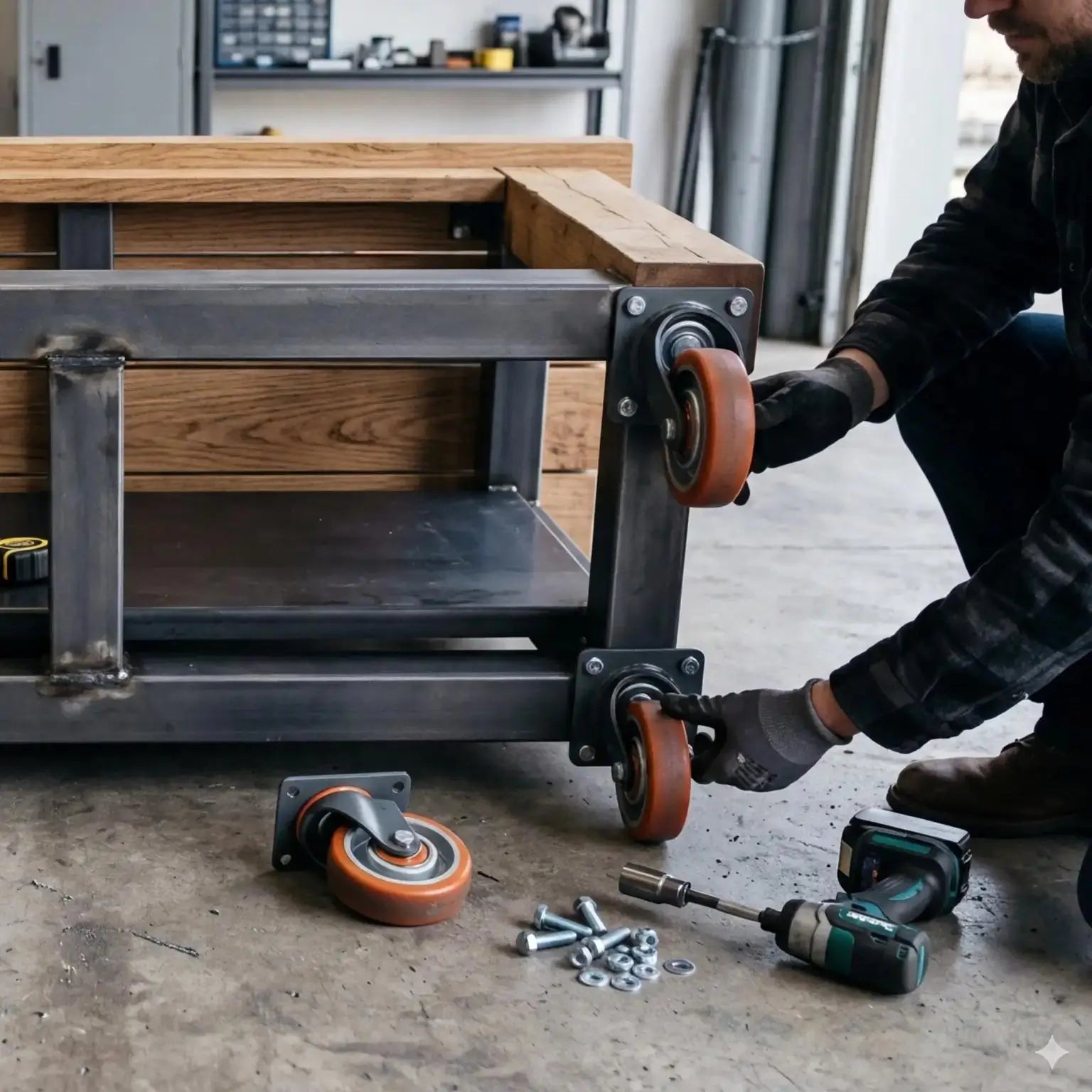
Designed to support substantial weight, heavy-duty casters are ideal for transporting pallets, machinery, or bulk goods. Their robust construction ensures durability even in demanding environments.
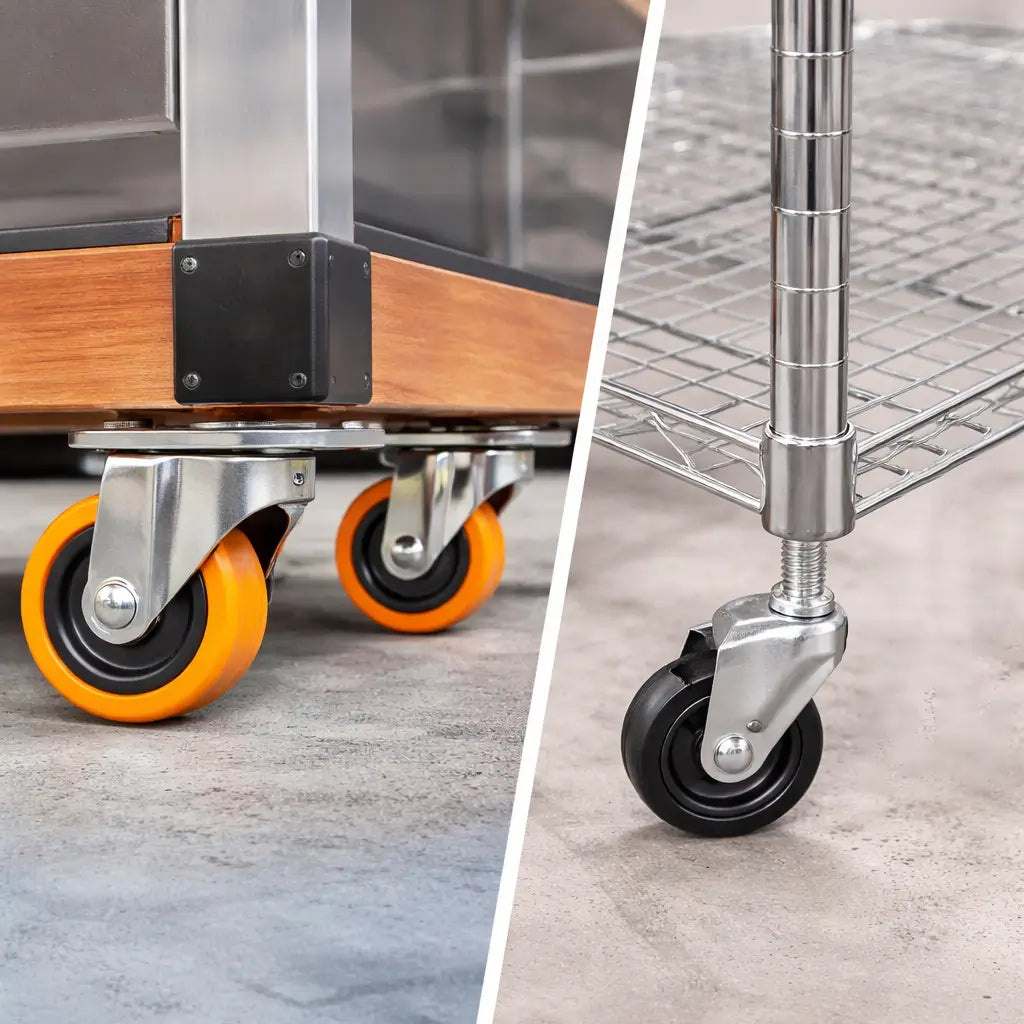
Swivel casters provide excellent maneuverability, making them suitable for tight spaces or areas with frequent directional changes. They are commonly used on carts and trolleys for enhanced navigation.
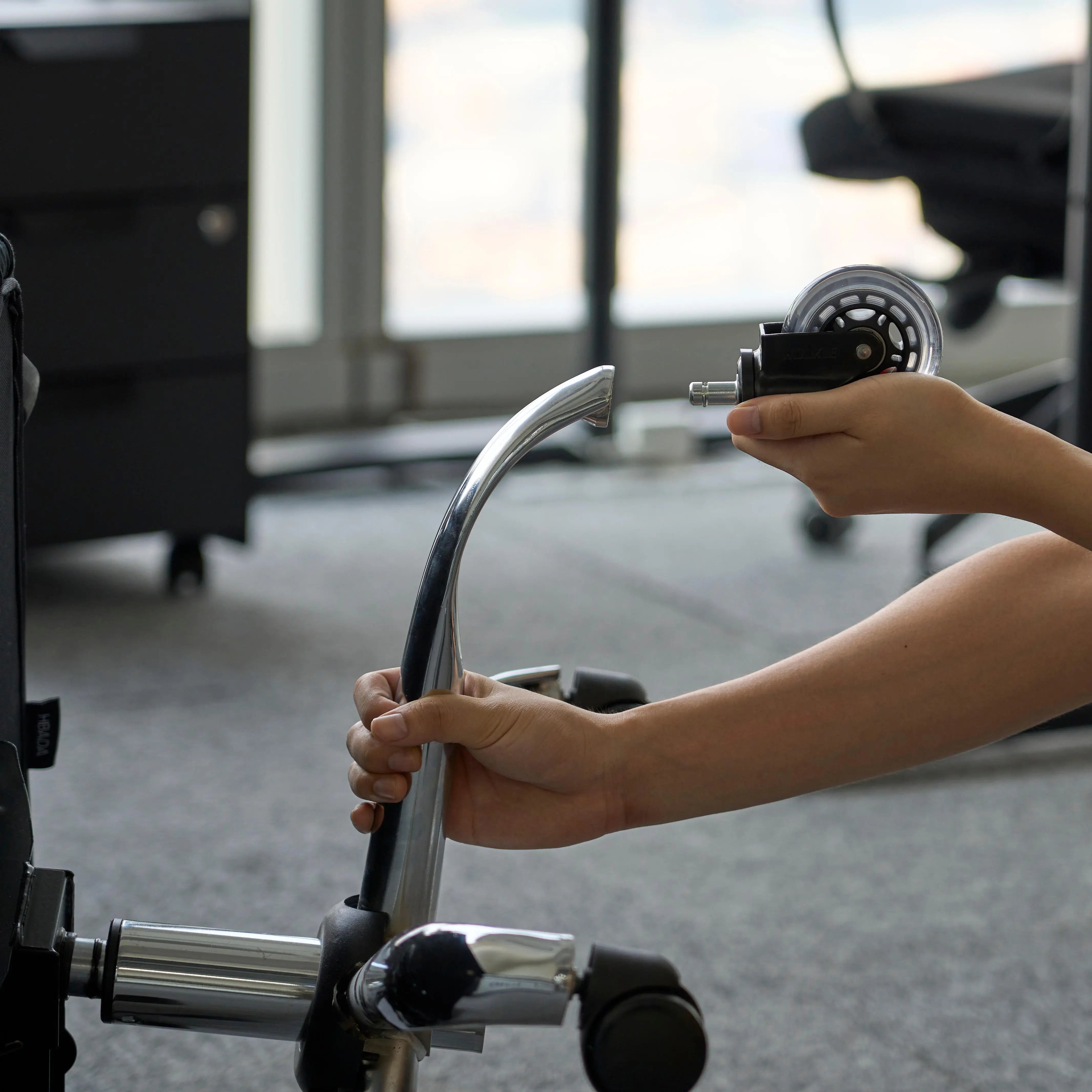
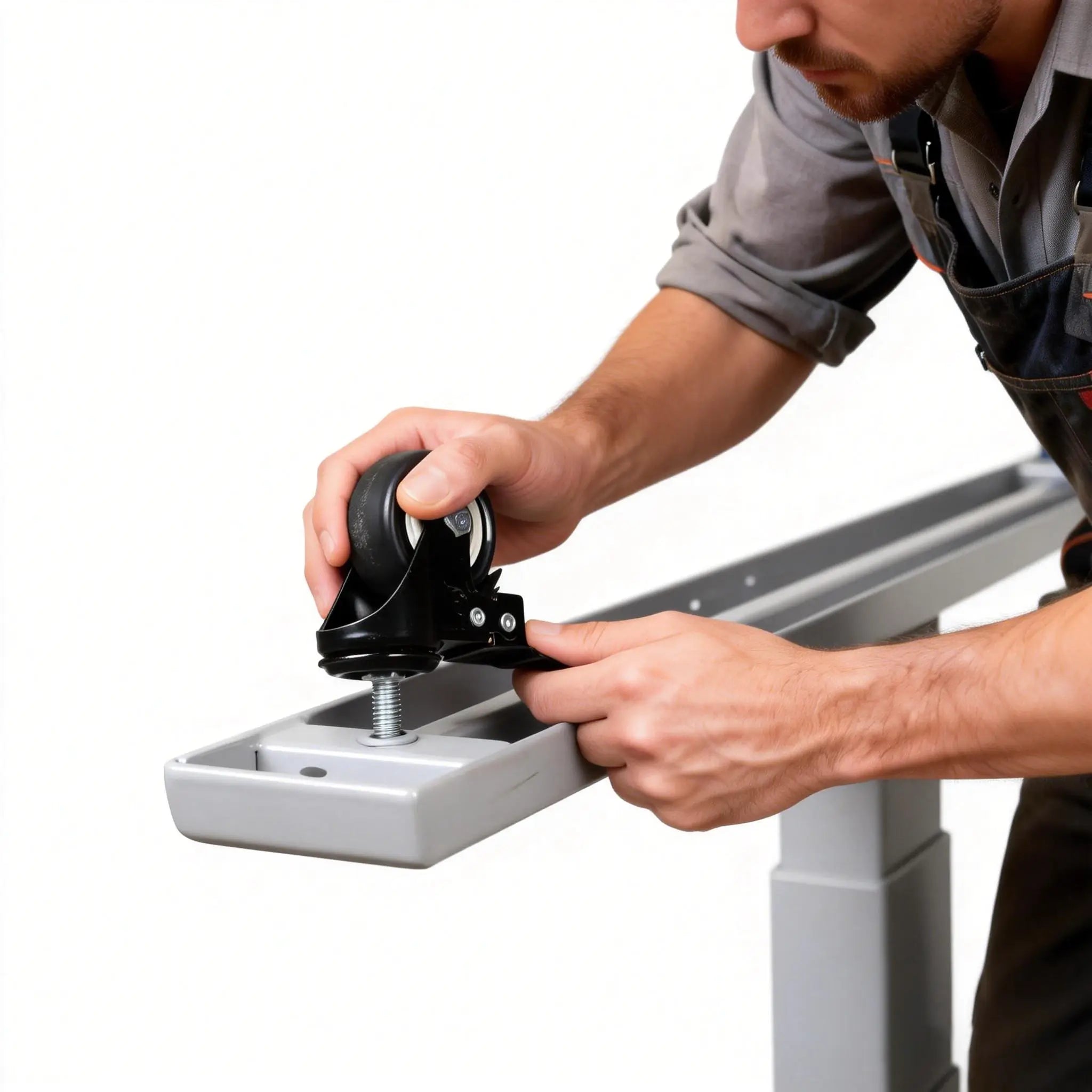
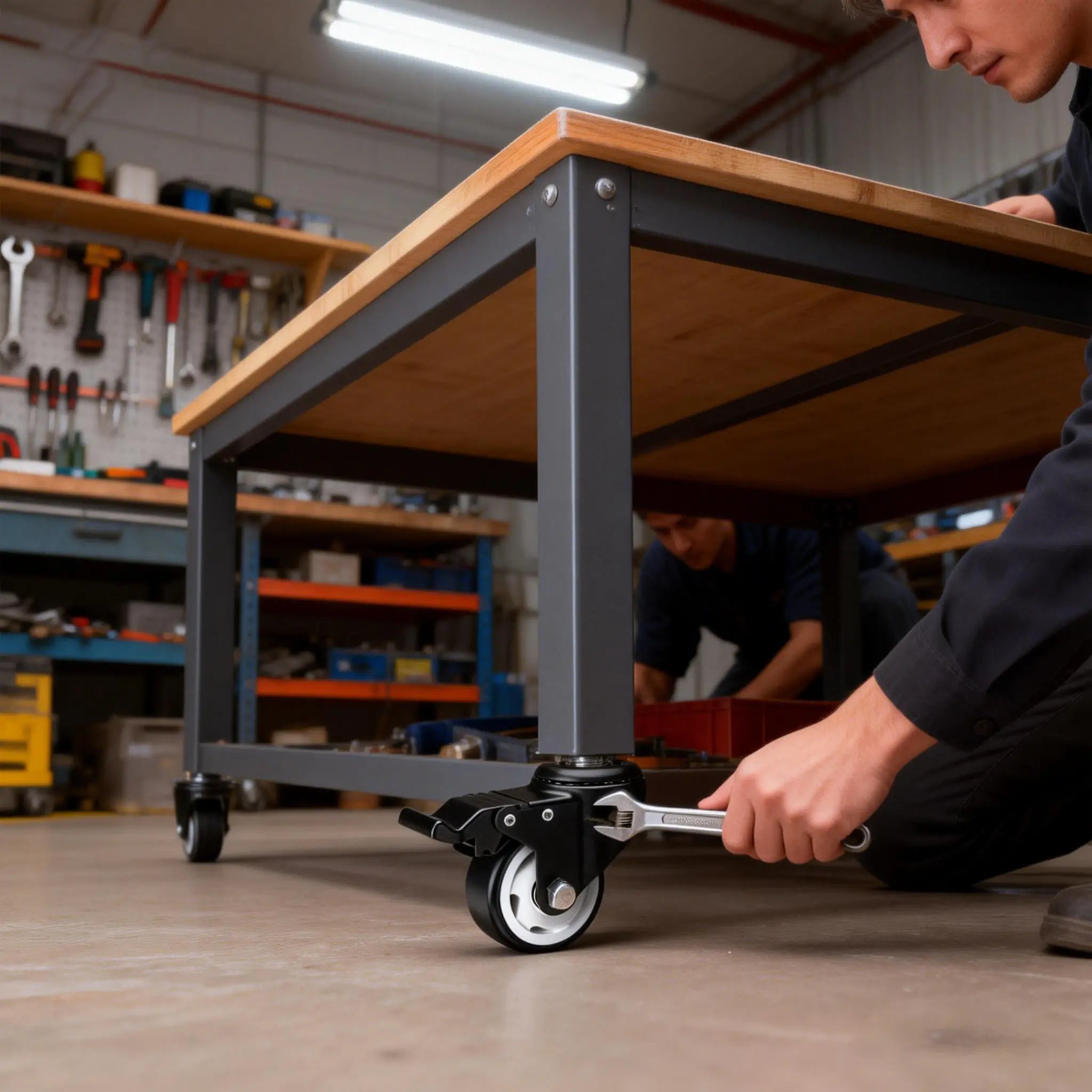
These casters offer dual functionality: mobility when extended and stability when retracted. They are particularly useful for equipment that requires occasional repositioning, such as workstations or machinery.
Warehouses with uneven flooring or sensitive goods benefit from shock-absorbing casters, which reduce vibrations and protect both the load and the floor surface.
To maximize their productivity-enhancing potential, casters can be customized to meet specific requirements:
Choose casters with adequate weight capacity to ensure safe and efficient operation. Overloading casters can lead to premature wear or failure.
Additional features such as brakes, directional locks, and anti-corrosion coatings enhance usability and longevity in specialized applications.
Casters improve the speed and accuracy of order picking by enabling workers to move carts and shelving units efficiently. This reduces the time required to fulfill customer orders, enhancing overall service quality.
Mobile storage units equipped with casters allow for dynamic reconfiguration of warehouse layouts. This flexibility maximizes space usage and adapts to changing inventory demands.
The durability and efficiency provided by high-quality casters lead to cost savings over time. Reduced labor costs, lower equipment maintenance, and increased operational efficiency contribute to a healthier bottom line.
To ensure consistent performance, regular maintenance of wheel casters is essential. Here are some tips:
Innovations in caster technology continue to improve their functionality and productivity. Examples include:
Equipped with sensors, smart casters monitor weight distribution, movement patterns, and floor conditions. This data helps optimize logistics processes and prevent equipment overload.
Many manufacturers are now producing casters from recyclable materials, aligning with sustainability goals in logistics operations.
Enhanced designs for shock-absorbing casters protect goods during transport, even in high-speed or high-impact scenarios.
Wheel casters are more than just a component in logistics and warehousing—they are a critical enabler of productivity, efficiency, and safety. By facilitating the smooth movement of goods, reducing physical strain, and optimizing workflows, casters play a pivotal role in the success of logistics operations.
From heavy-duty applications to precision handling, selecting the right casters can significantly impact your operational performance. By investing in high-quality wheel casters and maintaining them properly, businesses can achieve long-term gains in productivity and cost savings.
Wheel casters are not just tools—they are the foundation of efficient logistics and warehousing.


How Do Retractable Casters Enhance Furniture Functionality?
Design Feature: Retractable Casters for Modern Aesthetics and Seamless Mobility