
- by Holkie Team
Best Caster Wheels for Different Applications: How to Choose the Right One
- by Holkie Team
Choosing the best caster wheels is not simply about finding wheels that roll. The right caster wheels improve workplace safety, reduce equipment damage, increase efficiency, and lower long-term maintenance costs. Whether you are moving warehouse carts, medical equipment, furniture, or heavy industrial machinery, selecting the correct caster can make a significant difference.
Many buyers focus only on price, but experienced facility managers know that wheel material, load capacity, mounting style, and brake options matter far more. Poor caster selection often leads to floor damage, excessive noise, premature wheel failure, and even workplace injuries.
In this guide, we will explain how to choose the best caster wheels for different applications and help you avoid the most common purchasing mistakes.
The best caster wheels depend on how and where they will be used. There is no single “best” caster for every application. Instead, the right choice depends on matching the caster’s design to your working environment.
Load capacity should always be your first consideration. Every caster wheel has a maximum weight limit, and exceeding that limit causes serious problems such as flat spots, wheel cracking, bearing failure, and unsafe movement.
To calculate your required capacity, divide the total equipment weight plus maximum load by the number of casters, then add a safety margin. In many industrial applications, buyers choose heavy duty casters because standard caster wheels simply cannot handle repeated stress.
For example, warehouse carts, machinery platforms, and manufacturing equipment often require industrial casters with reinforced steel brackets and high-capacity polyurethane wheels.
Wheel material has a major impact on durability, floor protection, rolling resistance, and noise levels.
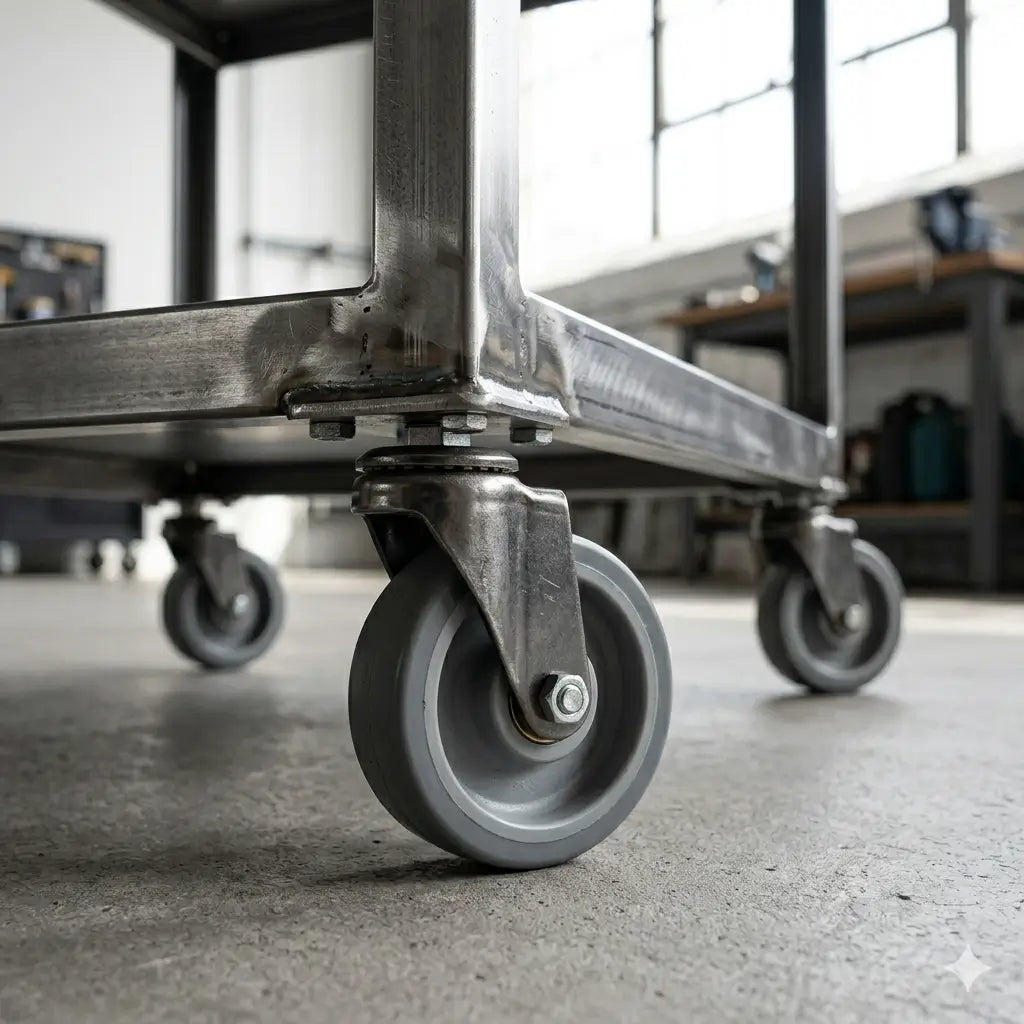
Polyurethane caster wheels are one of the most popular options because they combine strength with floor protection. They resist wear, chemicals, and heavy loads while rolling smoothly on concrete floors.
Rubber caster wheels are quieter and better for protecting delicate flooring. They work well in hospitals, offices, and retail environments where noise reduction matters.
Nylon wheels are excellent for high-load industrial environments but may be louder and less forgiving on finished floors.
The best caster wheels are always selected based on floor conditions and operational demands.
Swivel casters rotate 360 degrees, allowing easy turning and maneuverability. They are ideal for carts that need frequent directional changes.
Rigid casters, also called fixed casters, only move forward and backward. They provide better straight-line control and are commonly used together with swivel casters for balanced movement.
Many industrial carts use a combination of both for optimal performance.
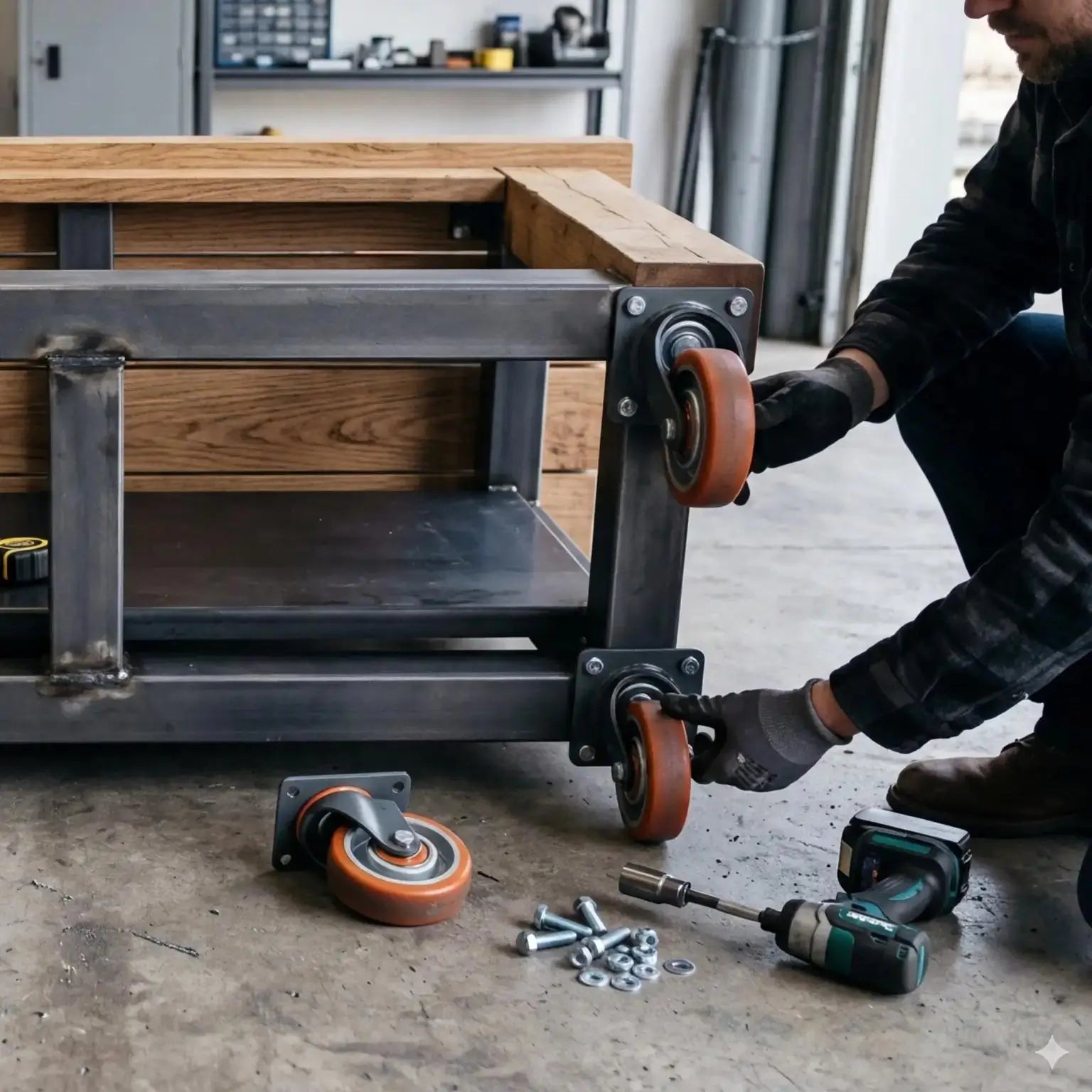
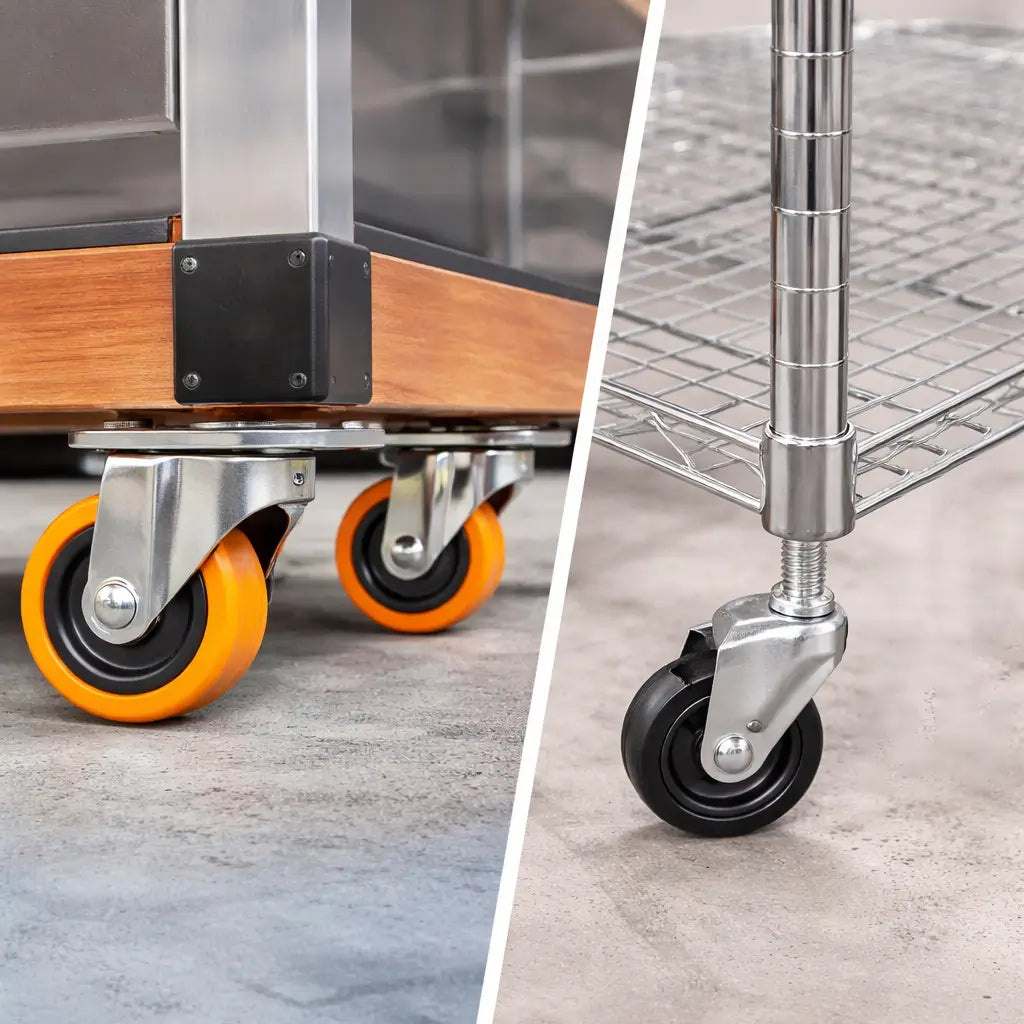
Plate casters use a flat mounting plate and are common on heavy-duty industrial equipment. They provide strong support and excellent load distribution.
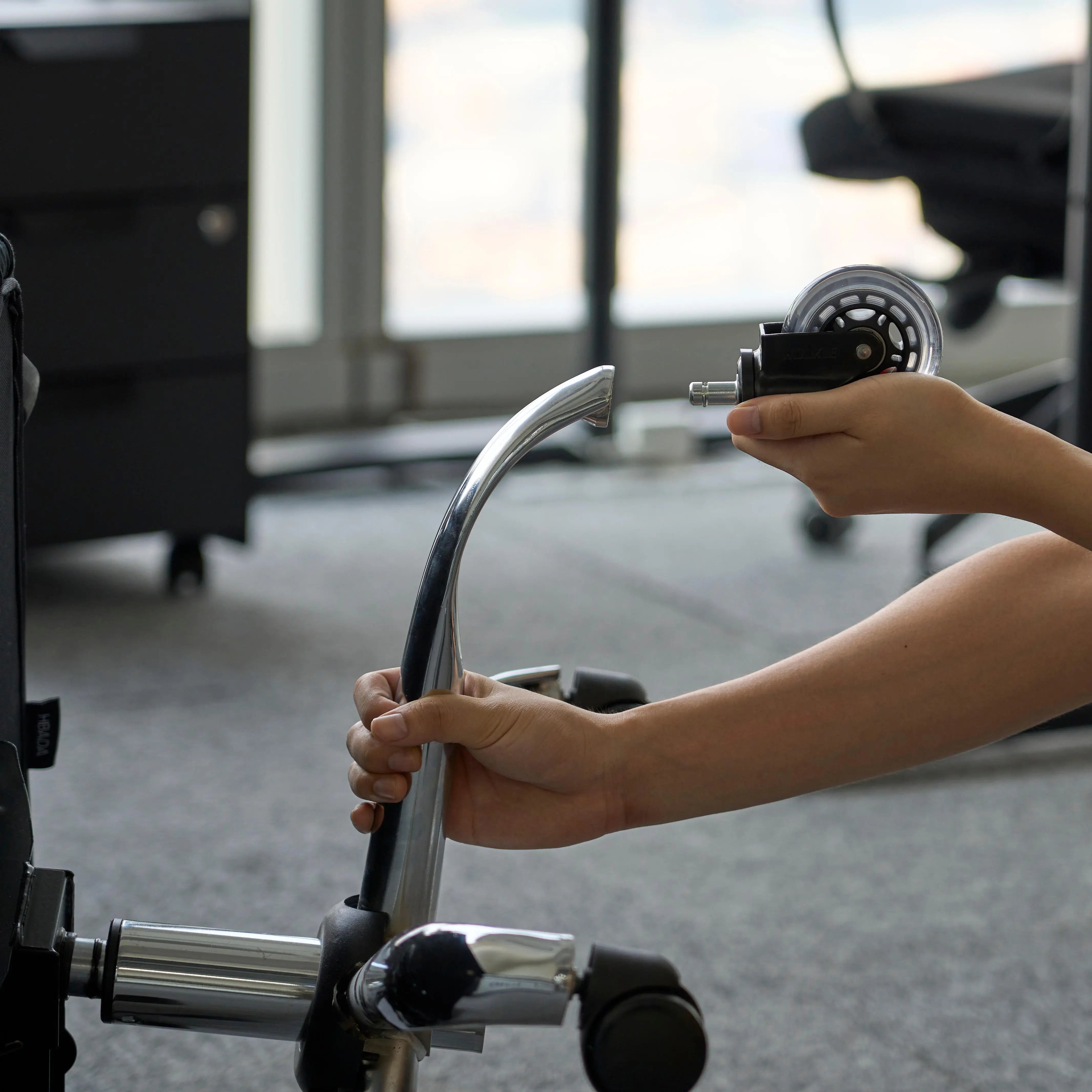
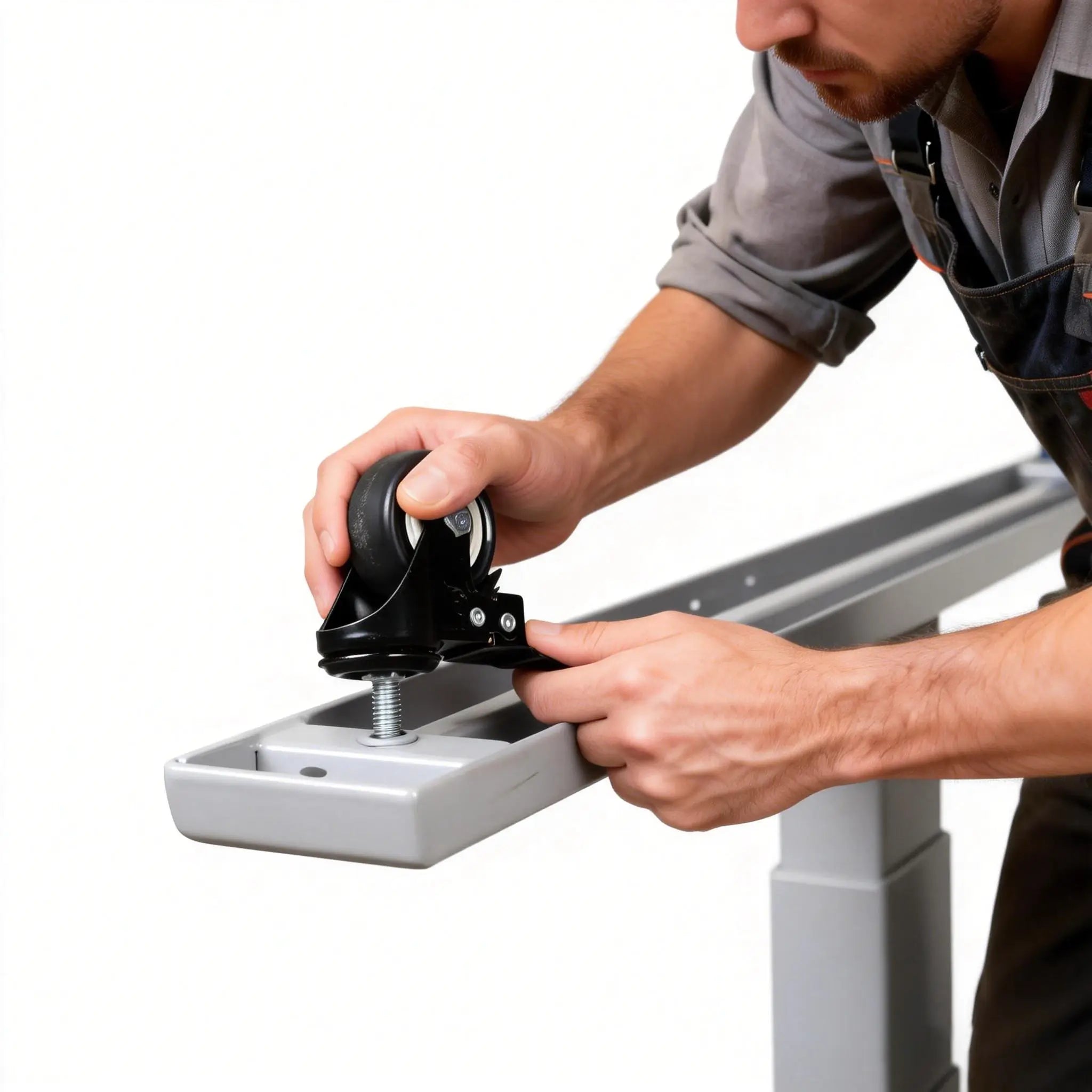
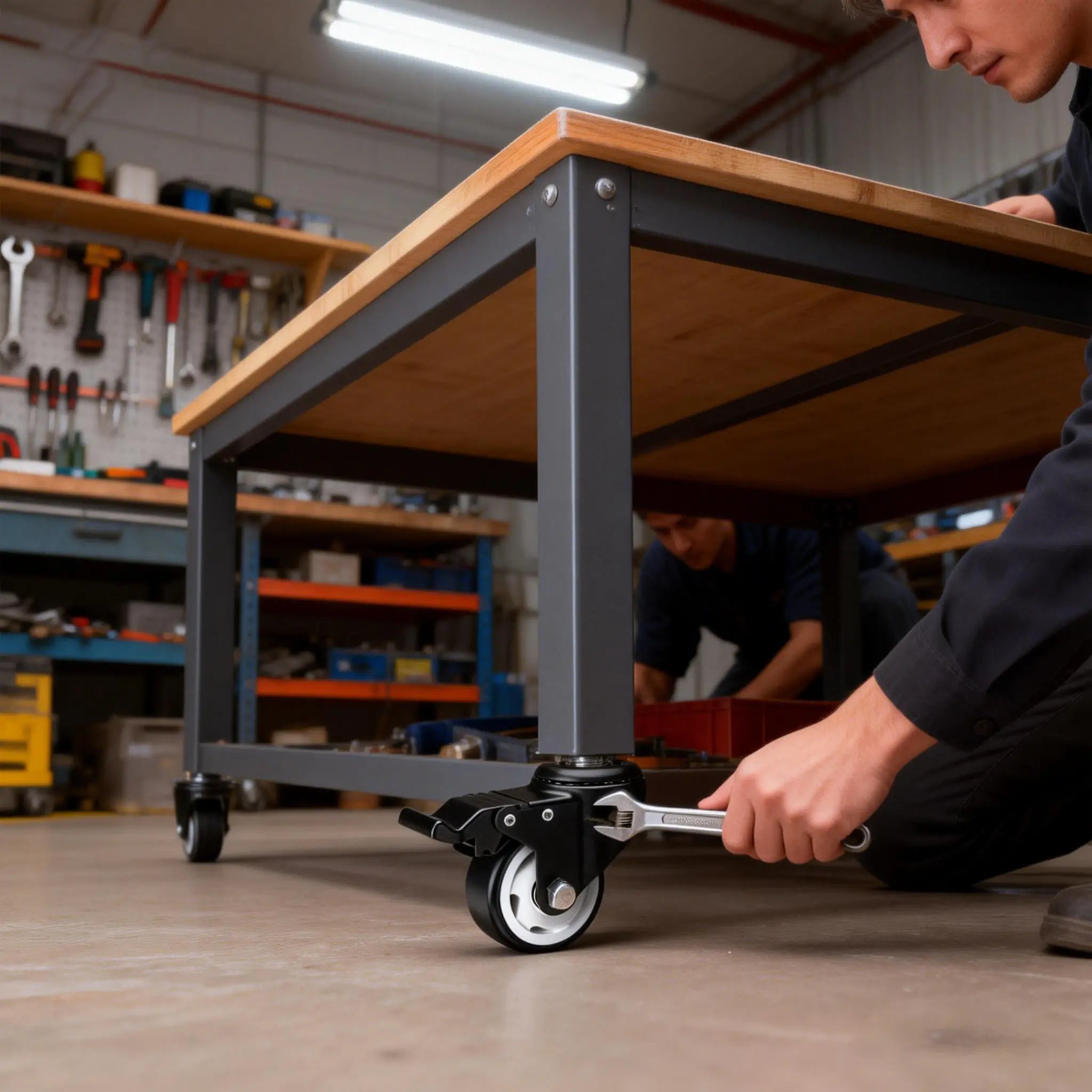
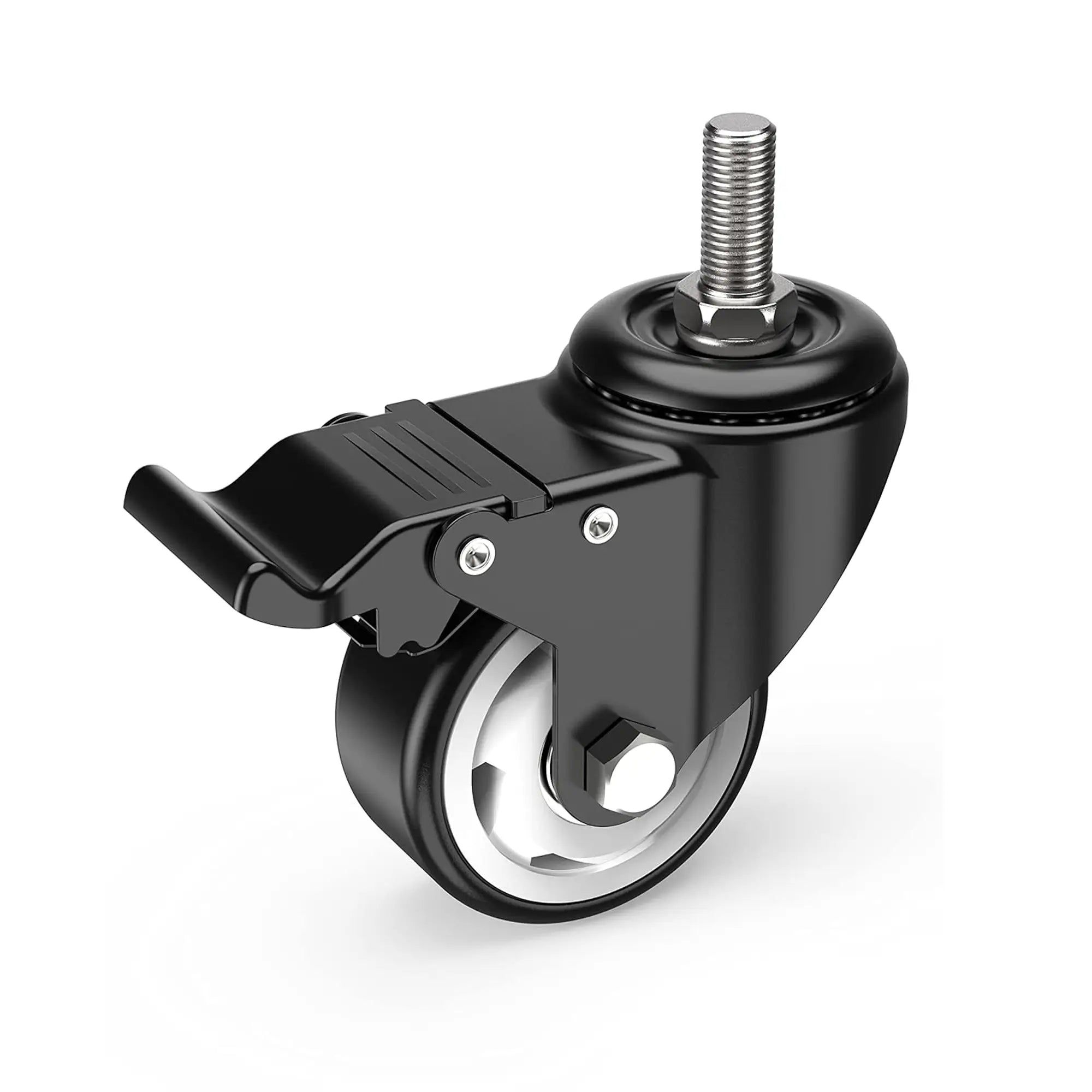
Stem casters use threaded stems, grip ring stems, or grip neck stems and are often found on medical equipment, office furniture, and lighter-duty applications.
Choosing the wrong mounting type can lead to instability and premature failure, so always match the caster to the equipment design.
Brake systems are often overlooked, but they are essential for workplace safety.
Side brakes lock the wheel only, while total lock casters secure both the wheel and swivel head, preventing all movement. For medical carts, workstations, and industrial platforms, total lock brakes provide the highest level of stability.
Different industries require very different caster solutions. Choosing based on use case is the fastest way to find the best fit.
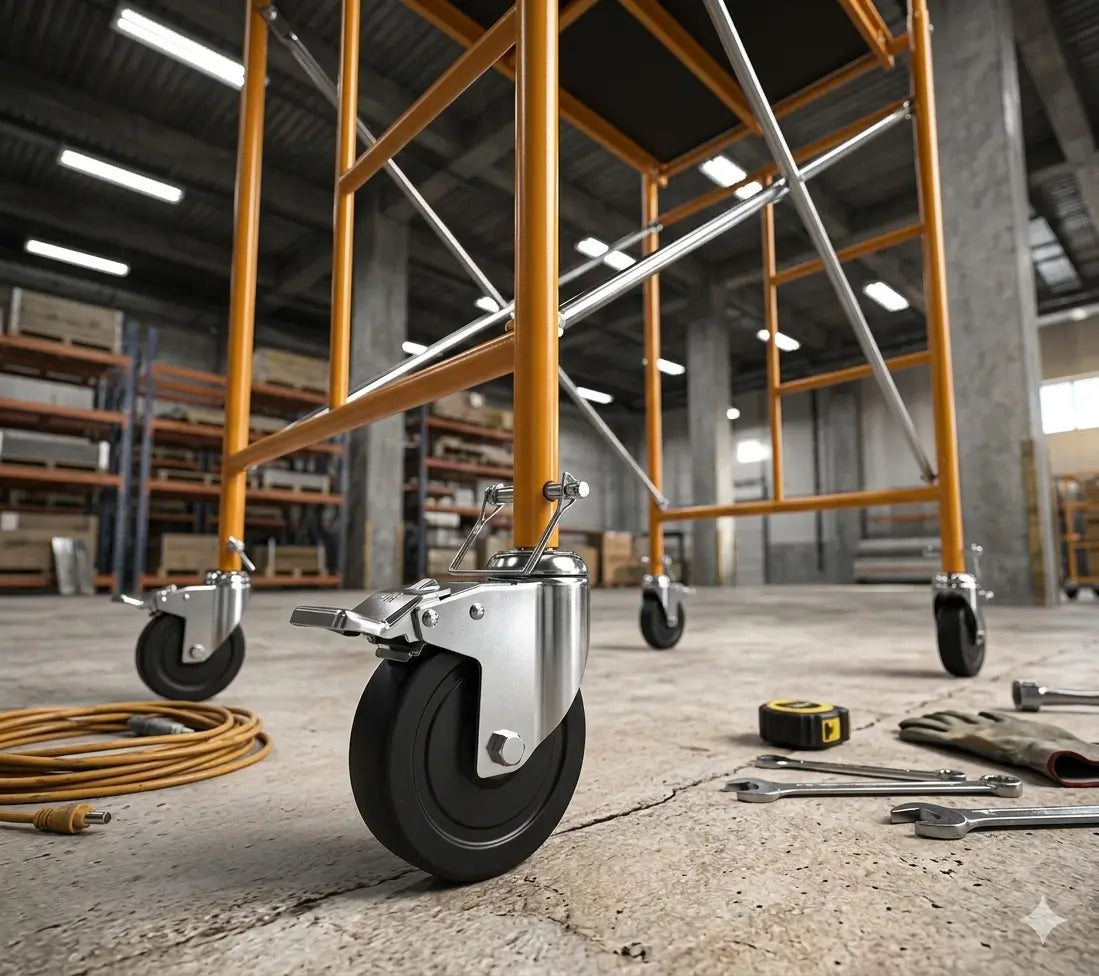
Warehouse carts need durability, smooth rolling, and strong load support. The best option is usually heavy duty plate casters with polyurethane wheels.
These industrial casters handle concrete floors, repeated loading, and long-distance transport without excessive wear. Swivel casters with brakes improve control while maintaining mobility.
For pallet carts and heavy inventory transport, reinforced steel caster frames are strongly recommended.
Medical environments prioritize quiet movement, hygiene, and precise control. Stem casters with non-marking rubber or polyurethane wheels are the preferred choice.
Hospital beds, IV stands, and medical carts often require smooth rolling performance and total lock brakes for patient safety.
Corrosion-resistant materials are also important because cleaning chemicals are frequently used.
Furniture casters must protect floors while providing smooth movement. Soft rubber wheels or smaller polyurethane caster wheels are ideal for hardwood, tile, and laminate surfaces.
Office chairs typically use grip ring stem casters for easy installation. Silent rolling performance is especially valuable in workspaces where noise can be distracting.
Outdoor applications require caster wheels that resist moisture, temperature changes, and rough surfaces.
Polyurethane wheels perform well outdoors because they resist cracking and wear. Stainless steel caster brackets are recommended for corrosion resistance in wet or coastal environments.
For uneven surfaces, larger wheel diameters improve mobility and reduce rolling resistance.
Heavy machinery requires the strongest possible caster solutions. Heavy duty industrial casters with forged steel brackets and high-load wheels are essential.
Shock absorption, floor protection, and secure braking become even more important at high weight capacities. Total lock systems and precision bearings improve both safety and operational efficiency.
Low-cost caster wheels often lead to higher replacement costs. Cheap wheels wear faster, damage floors, and create downtime that costs far more than the initial savings.
Investing in higher-quality industrial casters usually reduces total operating costs over time.
Concrete, tile, epoxy, carpet, and outdoor surfaces all require different wheel materials. Using hard wheels on delicate flooring can cause damage, while soft wheels may fail under heavy industrial loads.
Always match the wheel material to the floor environment.
Standard wheel brakes may not provide enough stability for workstations or medical equipment. In many cases, total lock casters are the safer and more reliable choice.
Many buyers calculate based only on static weight and forget dynamic forces created during movement. Turning, ramps, impacts, and uneven floors all increase stress on caster wheels.
Always plan for real working conditions, not just ideal conditions.
At Holkie, we understand that the best caster wheels are not one-size-fits-all products. Different industries require specialized solutions, and reliability matters more than appearance.
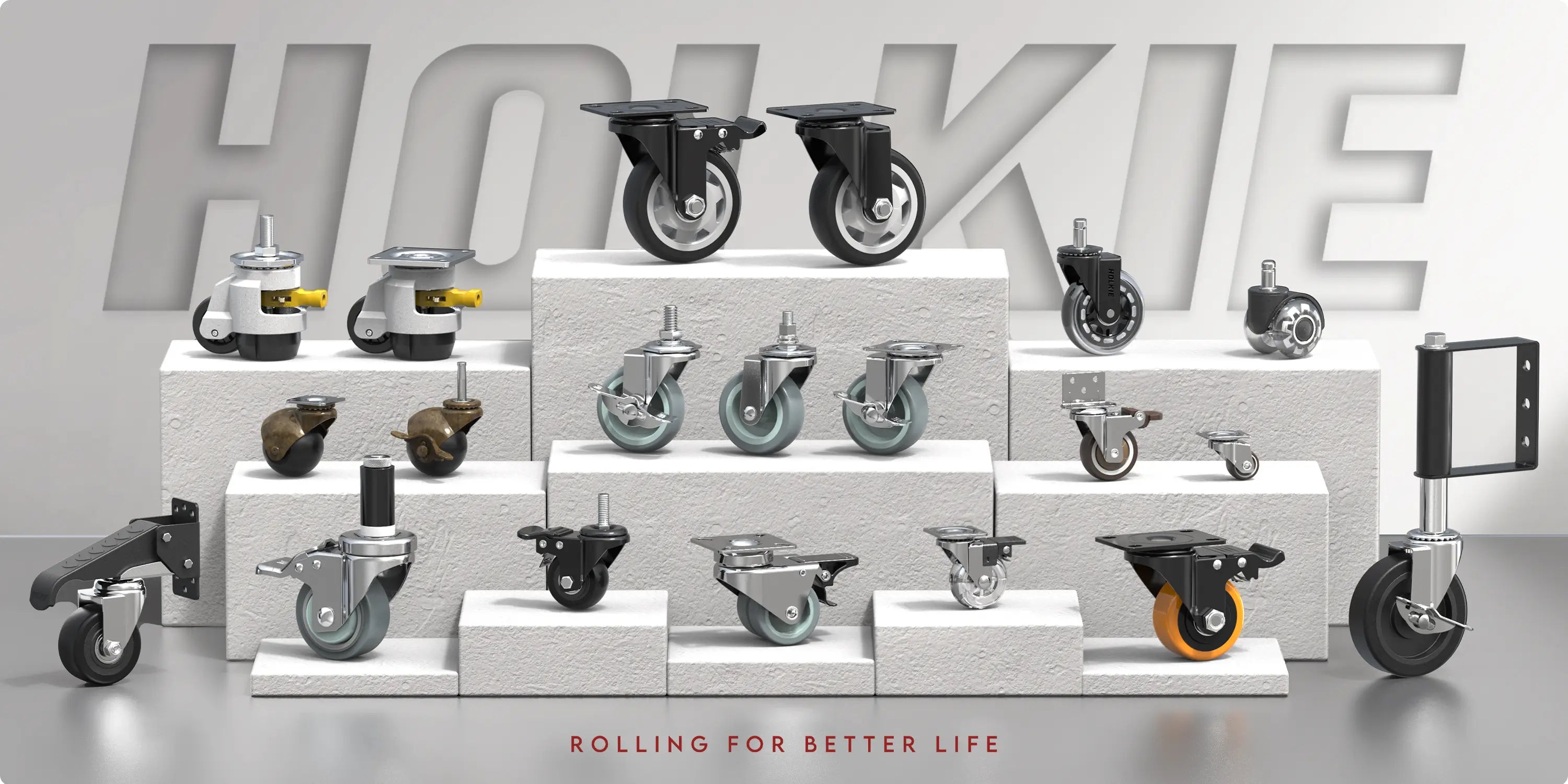
We provide a wide range of caster wheels including stem casters, plate casters, heavy duty casters, total lock casters, and polyurethane caster wheels for industrial and commercial applications.
Our advantages include factory-direct pricing, OEM customization support, strict quality control, and fast shipping for USA customers. Whether you need standard industrial casters or custom mobility solutions, our goal is to help businesses reduce maintenance costs and improve operational efficiency.
Reliable caster performance starts with proper engineering, and that is exactly where Holkie focuses.
Before placing an order, confirm these five factors:
Taking a few extra minutes to verify these details can prevent costly mistakes and ensure you choose the best caster wheels for your specific application.
The right caster wheels improve safety, productivity, and long-term value. Instead of asking which caster is the cheapest, ask which caster is the smartest investment for your equipment.
The best caster wheels for heavy loads are usually heavy duty casters with polyurethane or nylon wheels, reinforced steel brackets, and high load capacity ratings. Plate mount casters are often preferred for maximum stability.
Polyurethane caster wheels are generally better for industrial use because they offer higher load capacity, better wear resistance, and strong floor protection. Rubber wheels are better when quiet rolling and softer floor contact are the priority.
Swivel casters are best for maneuverability and tight turns, while rigid casters are better for straight-line movement and stability. Many carts use both types together for balanced performance.
Plate casters use a flat mounting plate and are ideal for heavy-duty applications. Stem casters use threaded or grip stems and are more common for furniture, medical equipment, and lighter-duty carts.
Total lock casters should be used when both wheel movement and swivel rotation must be fully secured. They are ideal for medical equipment, workstations, and industrial platforms where safety and stability are critical.



How to Remove Stem Casters