
- by StephensonRyan
Navigating the Downsides: Exploring the Disadvantages of Caster Wheels
- by StephensonRyan
Caster wheels are ubiquitous in our modern world, providing convenient mobility for a wide range of applications. However, like any technology, caster wheels have their drawbacks. Understanding these disadvantages can help users make informed decisions about their use and maintenance. Let's delve into the potential downsides of caster wheels:
One of the main disadvantages of caster wheels is their limited load capacity. While caster wheels are designed to support various loads, they may struggle with heavier loads, especially if the load is not evenly distributed.
Exceeding the load capacity of caster wheels can lead to premature wear and failure, compromising safety and efficiency. It can also result in damage to the wheels and the equipment they are attached to.
Caster wheels, especially swivel casters, can reduce the stability of equipment. Swivel casters allow for easy maneuverability but can also make equipment more prone to tipping over, especially when moving over uneven surfaces or at high speeds.
Reduced stability can pose safety risks, particularly in environments where equipment must be moved quickly or where there is a risk of tipping. It can also lead to damage to the equipment and its surroundings.
While caster wheels provide excellent maneuverability in general, they may struggle in tight spaces or crowded environments. The swivel range of caster wheels may be limited, making it challenging to navigate around obstacles.
Limited maneuverability can slow down operations and increase the risk of accidents. It can also lead to frustration for users who rely on caster wheels to move equipment efficiently.
Caster wheels, especially those made of hard materials like metal or hard plastic, can produce noise and vibration during operation. This can be disruptive in quiet environments or where noise levels must be kept to a minimum.
Noise and vibration can be a nuisance for users and can also indicate issues with the caster wheels or the equipment they are attached to. Excessive noise and vibration can lead to discomfort and fatigue for users.
Caster wheels require regular maintenance to ensure optimal performance. This includes cleaning, lubrication, and inspection for wear and damage. Failure to maintain caster wheels can lead to premature wear and failure.
Neglecting maintenance can result in reduced lifespan and performance of caster wheels, leading to increased costs for replacement and repairs. It can also compromise the safety and efficiency of equipment.
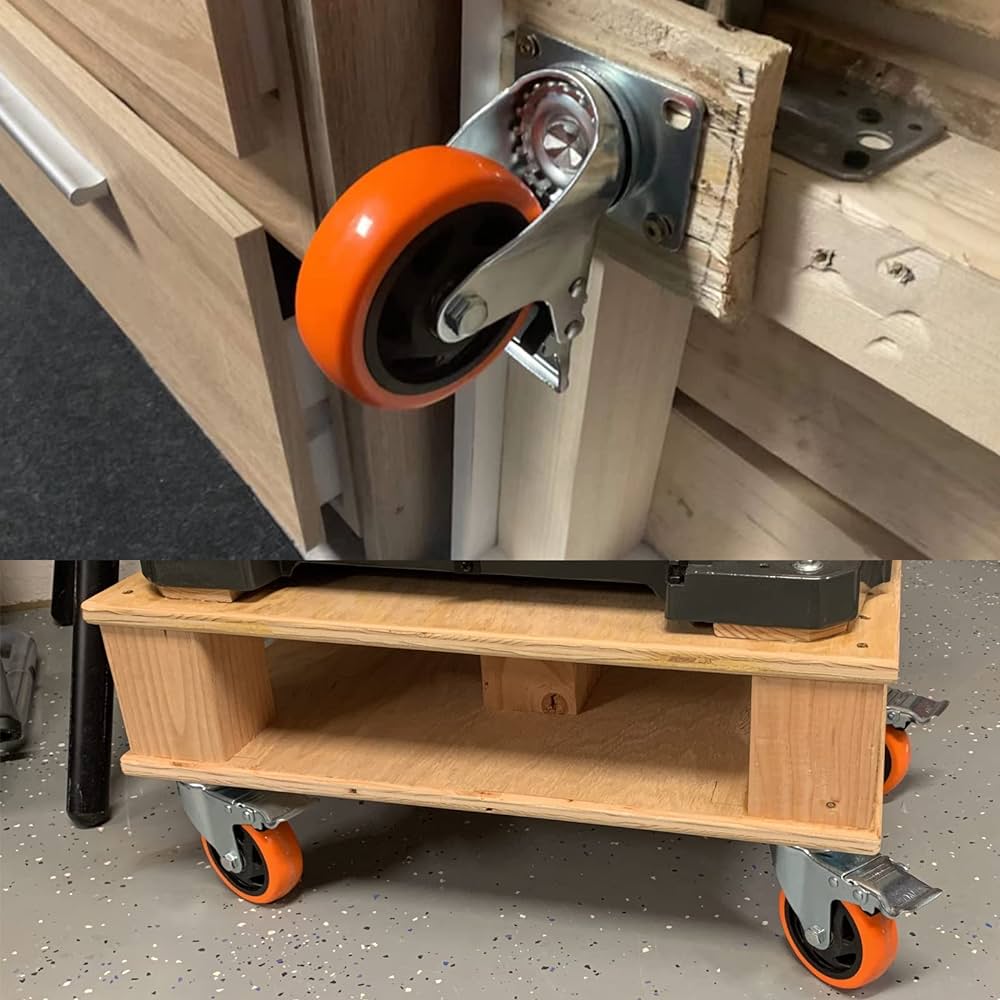
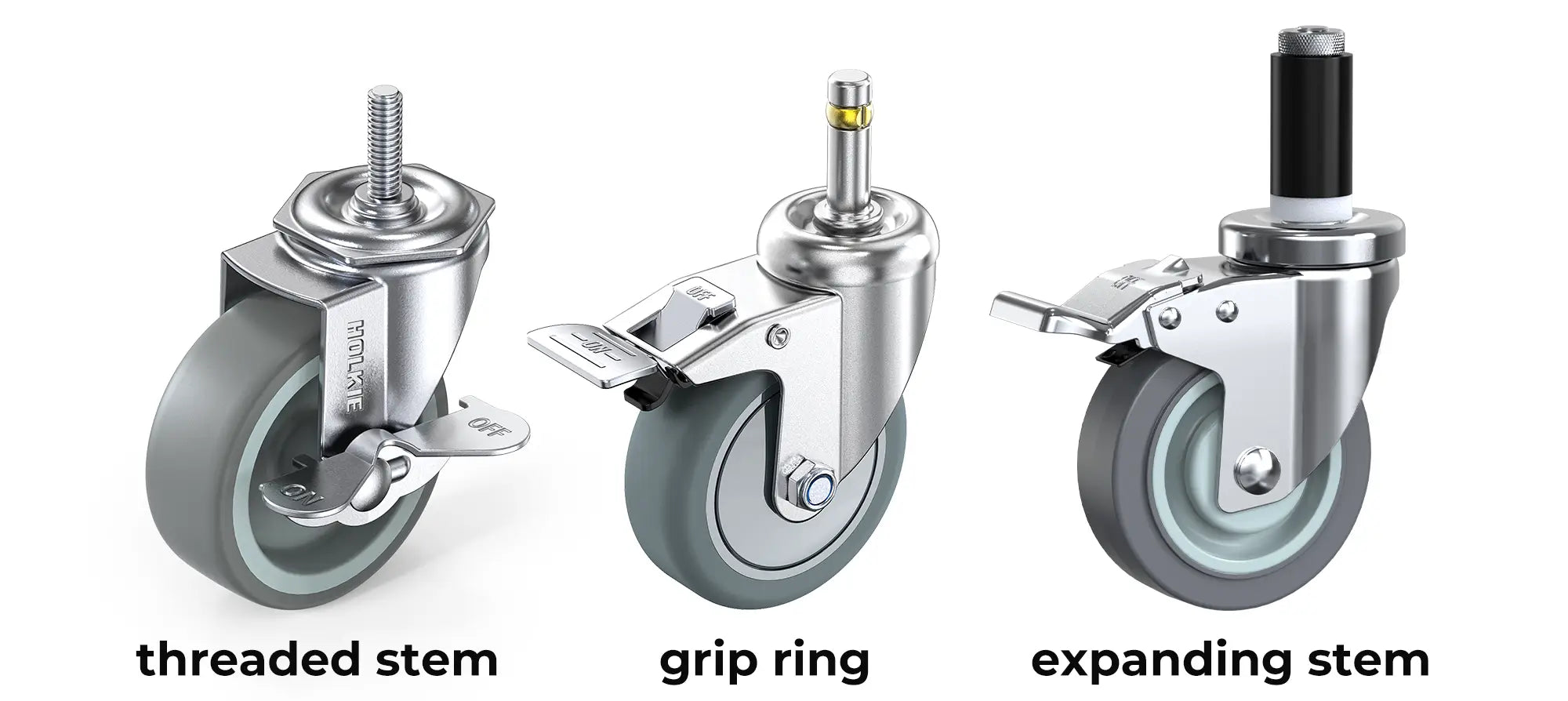
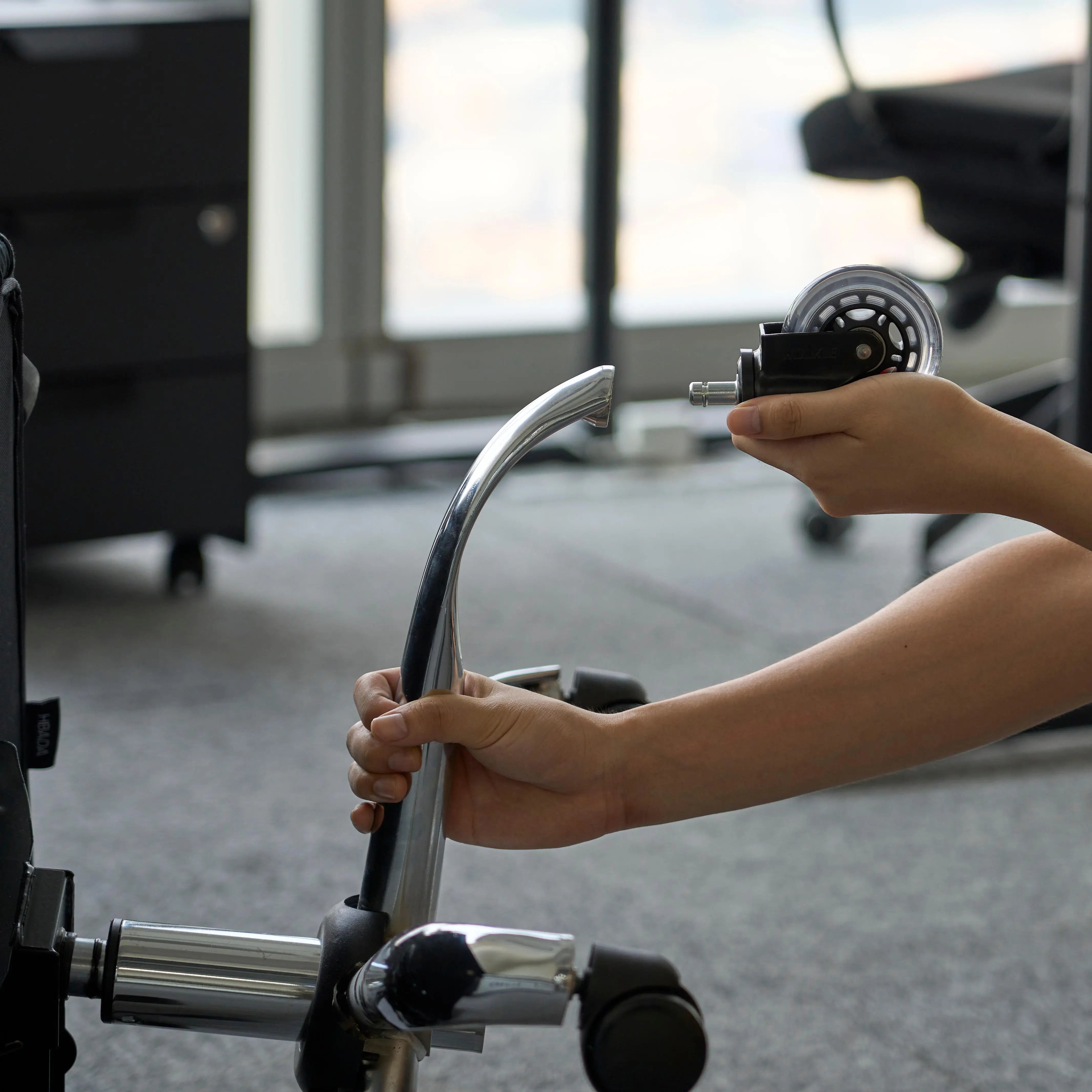
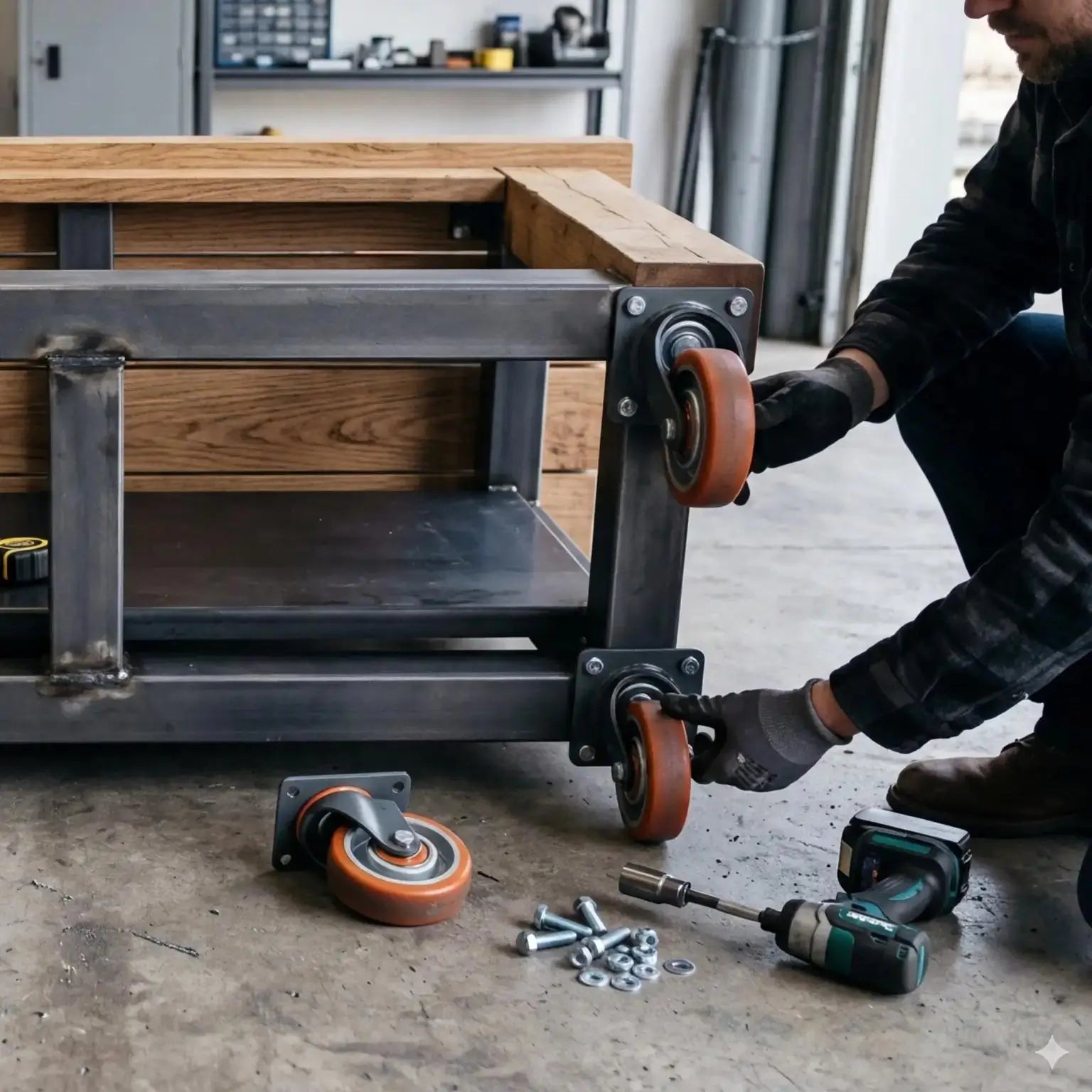
Caster wheels must be compatible with the equipment they are attached to. This includes considerations such as load capacity, wheel size, and mounting configuration. Using incompatible caster wheels can lead to performance issues and safety risks.
Compatibility issues can result in the need for costly modifications or replacements. It can also lead to downtime as equipment is taken out of service for repairs or adjustments.
High-quality caster wheels can be expensive, especially for applications that require specialized wheels or high load capacities. While investing in quality caster wheels can pay off in terms of durability and performance, it can also be a significant upfront cost.
The cost of caster wheels can be a barrier for some users, especially for small businesses or individuals with limited budgets. It can also impact the overall cost-effectiveness of equipment that requires multiple caster wheels.
While caster wheels offer many benefits in terms of mobility and convenience, they also come with their share of disadvantages. Understanding these drawbacks can help users make informed decisions about the use and maintenance of caster wheels, ensuring safe and efficient operation. By addressing these disadvantages through proper maintenance, careful selection, and use, caster wheels can continue to be valuable tools in a wide range of applications.


Maintenance and Care Tips for Your HOLKIE Casters
Demystifying the Difference: Casters vs. Wheels