
- by StephensonRyan
Beyond the Lever: A Complete Technical Guide to Retractable Caster Components, Installation, and Troubleshooting
- by StephensonRyan
You know that Retractable Casters are vital for equipment mobility and stability. However, neglecting the mechanisms can lead to premature failure, costly downtime, and safety risks. This guide is your technical deep dive, offering a breakdown of components, a step-by-step installation process, and essential maintenance protocols. Mastering the upkeep of your Industrial Casters ensures maximum operational efficiency and longevity.
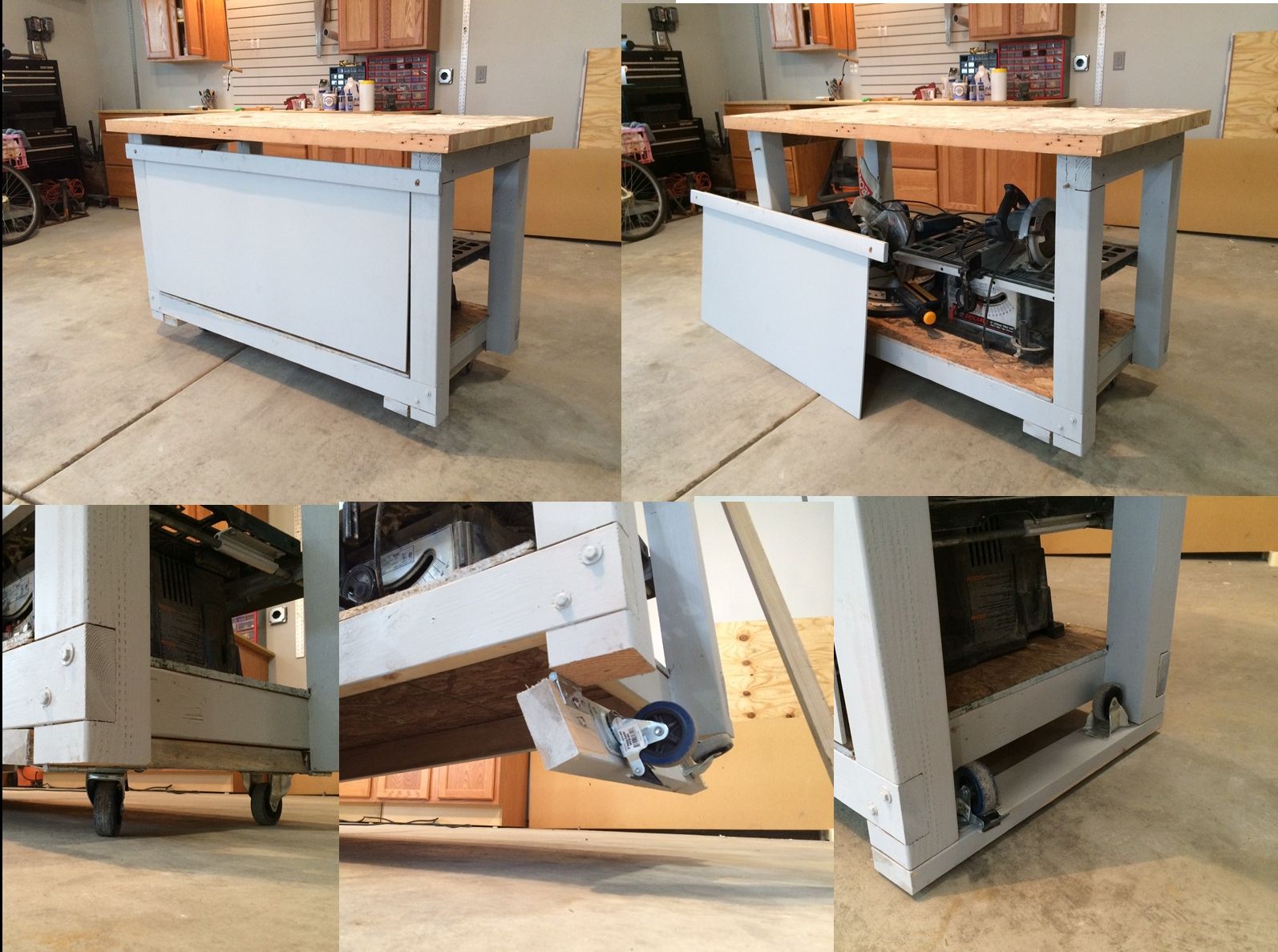
The dual function of Retractable Casters relies on several interconnected, precision-engineered parts. Understanding these components is the first step toward effective maintenance.
This system, controlled by the foot pedal or lever, smoothly raises or lowers the wheel assembly by overcoming the equipment’s static weight.
Cam/Spring System: Heavy-duty models use robust compression springs engineered for thousands of cycles. This mechanism must be sealed to prevent ingress of dirt or debris, which can cause binding and internal wear.
Leverage Point: The external pedal provides the mechanical advantage needed for the operator to quickly switch between mobility and stability modes.
These components facilitate movement and provide stabilization.
Wheel Material: The choice of material (polyurethane, rubber, nylon) impacts floor protection and noise levels. The precision ball bearings must be sealed against debris, especially in dusty industrial environments.
The Stability Footpad: When casters are retracted, the footpad is the point of ground contact. It must be made of high-durometer rubber or rigid plastic to ensure effective vibration dampening and non-slip grip for absolute stability.
The Adjustment Screw: This critical feature allows users to micro-adjust the caster's retracted height. This is vital for leveling the equipment on uneven floors and ensuring equal weight distribution.
Proper installation is critical to maximizing load capacity and service life.
Proactive maintenance prevents premature failure and costly operational downtime.
Check for loose bolts, damaged footpads, and debris accumulation.
Thoroughly clean the wheels and retraction linkage. Apply a light-duty grease or silicone spray to all pivot points and spring mechanisms.
Check all mounting bolts and nuts for loosening due to vibration and retorque to prevent component failure.
Cause: Debris caught in the linkage or corrosion.
Quick Fix: Thoroughly clean and lubricate the mechanism.
Cause: Footpad Adjustment Screw is misaligned or the floor is uneven.
Quick Fix: Recalibrate the Adjustment Screw until the load is balanced.
Cause: Lack of lubrication in pivot points or loose mounting hardware.
Quick Fix: Apply lubricant to all joints and tighten mounting bolts securely.
At HOLKIE, we ensure performance through superior design:
Durable Construction: Our Heavy-Duty Casters use high-grade, corrosion-resistant steel.
Modular Design: Our casters allow for easy part replacement (like the footpad or wheel) without needing to replace the entire unit, simplifying service and reducing long-term maintenance costs.
Technical Support: Every purchase includes access to detailed technical drawings and expert support, ensuring your maintenance team has the resources needed to keep your HOLKIE Retractable Casters running perfectly.


How Can Retractable Casters Improve Your Workspace?
What Are the Benefits of Retractable Casters?