- by StephensonRyan
How Retractable Casters Balance Floor Protection with Extreme Industrial Loads
- by StephensonRyan
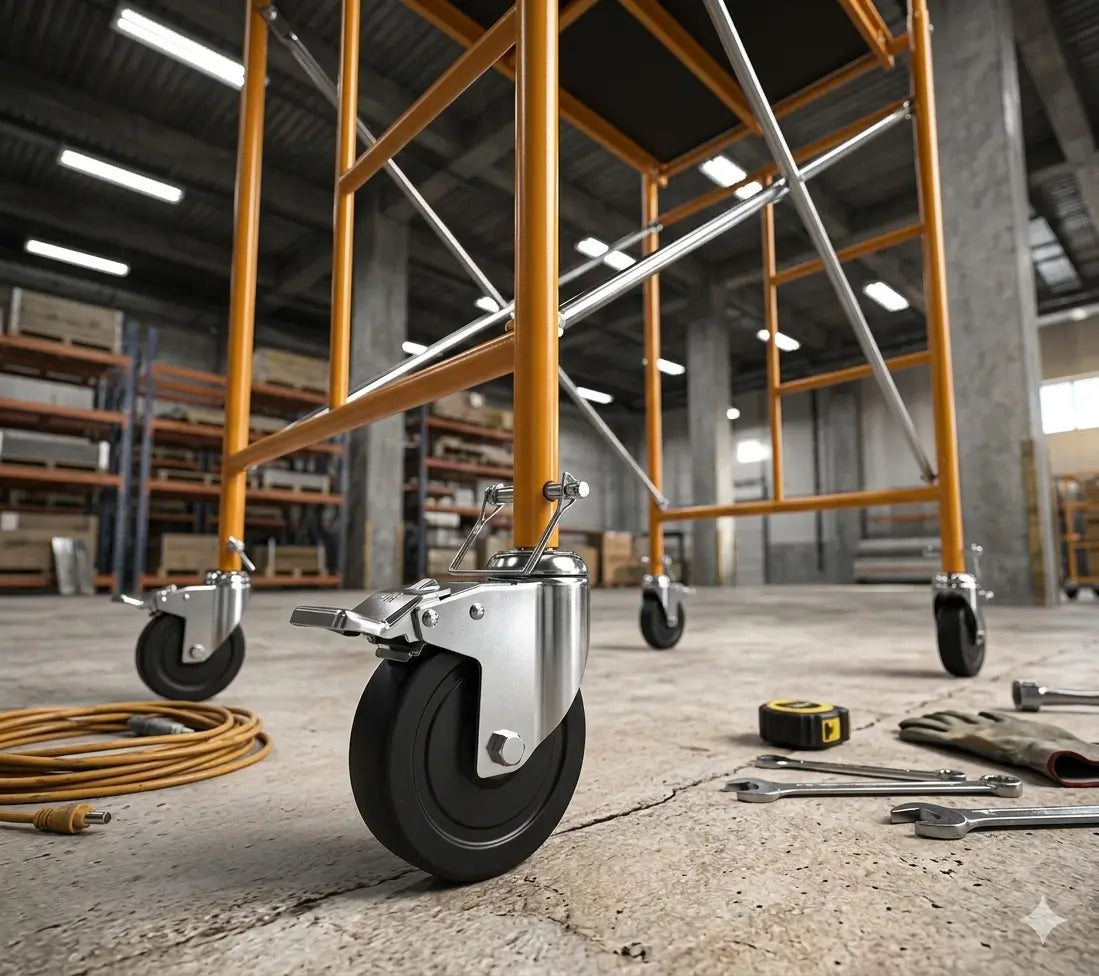
In manufacturing plants and warehouses, facility managers face a constant paradox: heavy machinery requires robust mobility, but the underlying flooring (epoxy, polished concrete, sensitive coatings) must remain undamaged. Retractable Casters solve the mobility/stability problem, but the true engineering challenge lies in their wheel composition and load distribution when moving thousands of pounds.
This article explores the critical, often-overlooked trade-offs involved in selecting retractable casters for heavy industrial equipment, focusing on how wheel material and tread design protect costly industrial flooring while meeting extreme load demands.
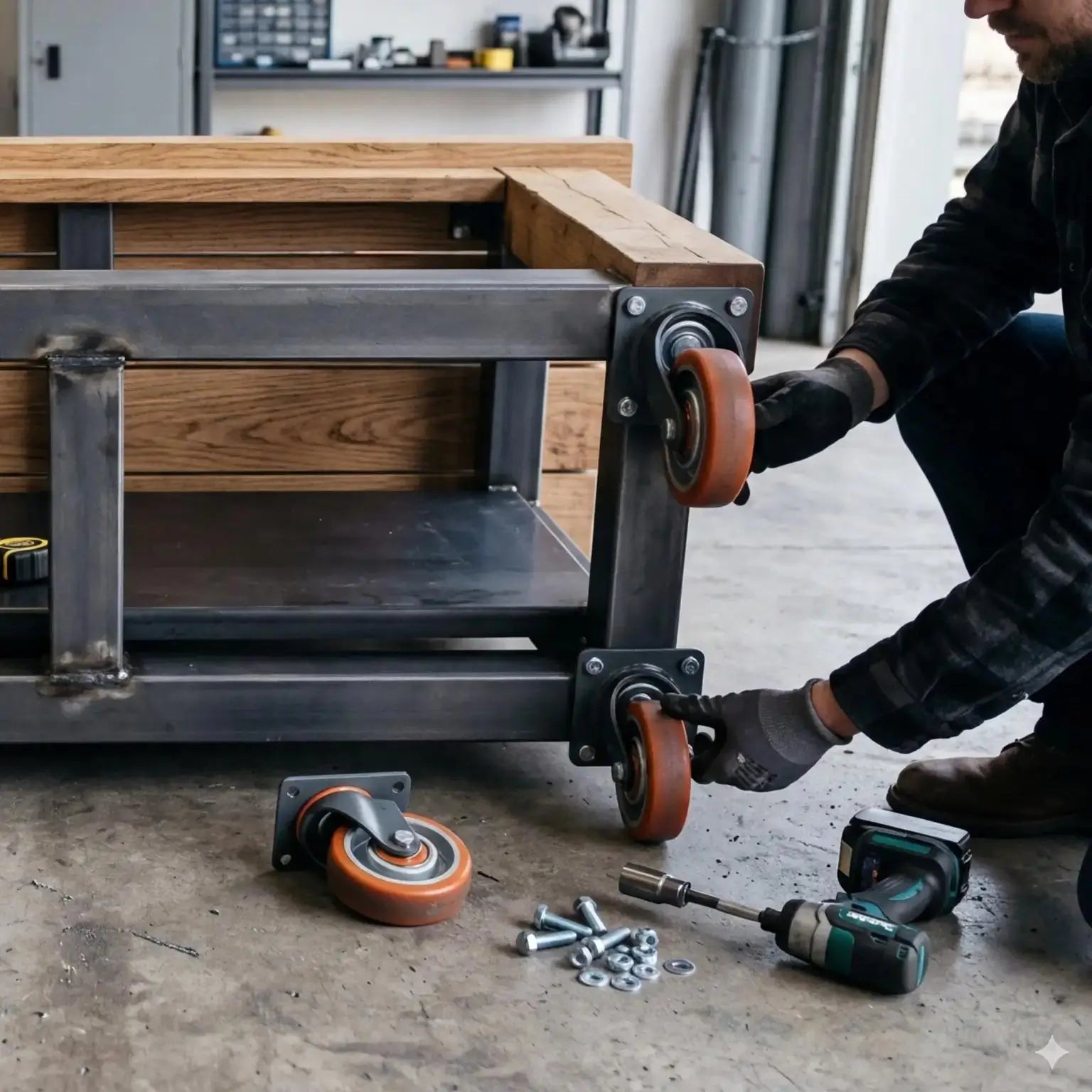
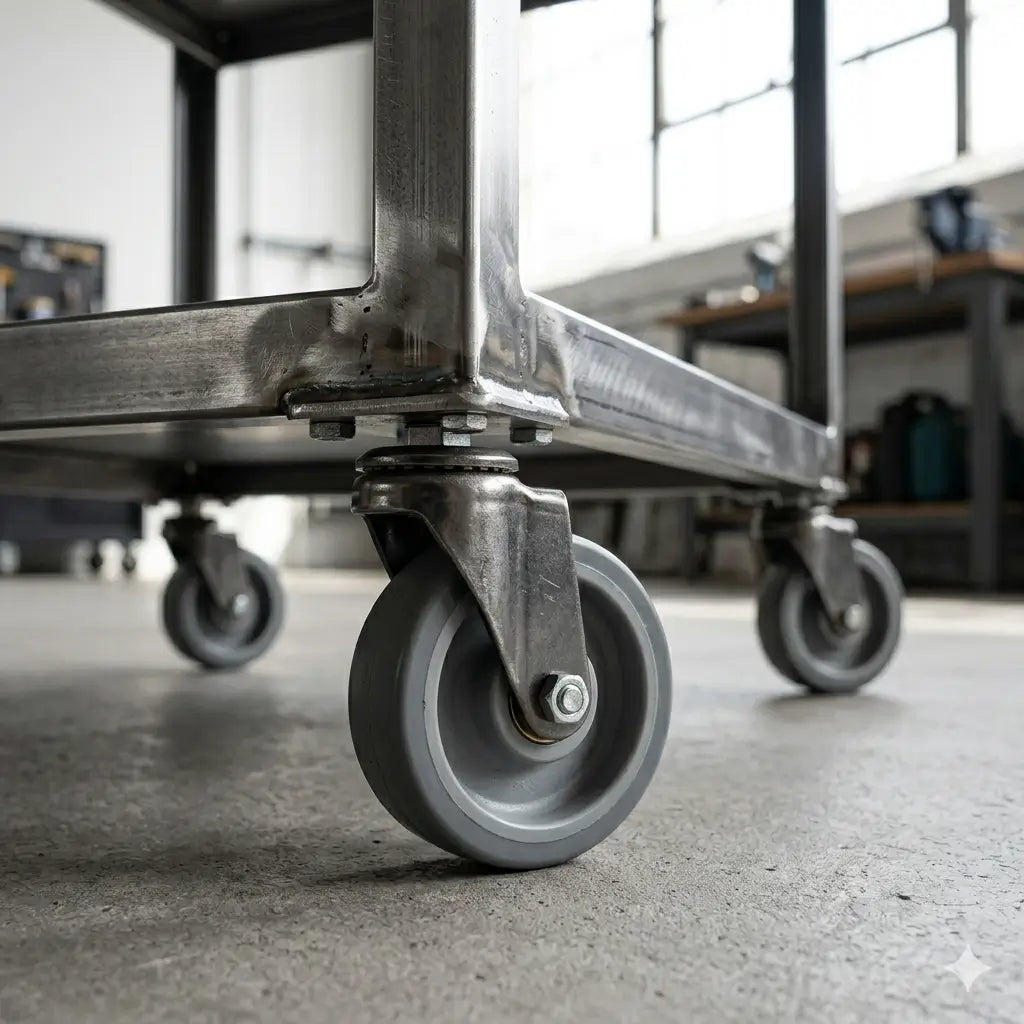
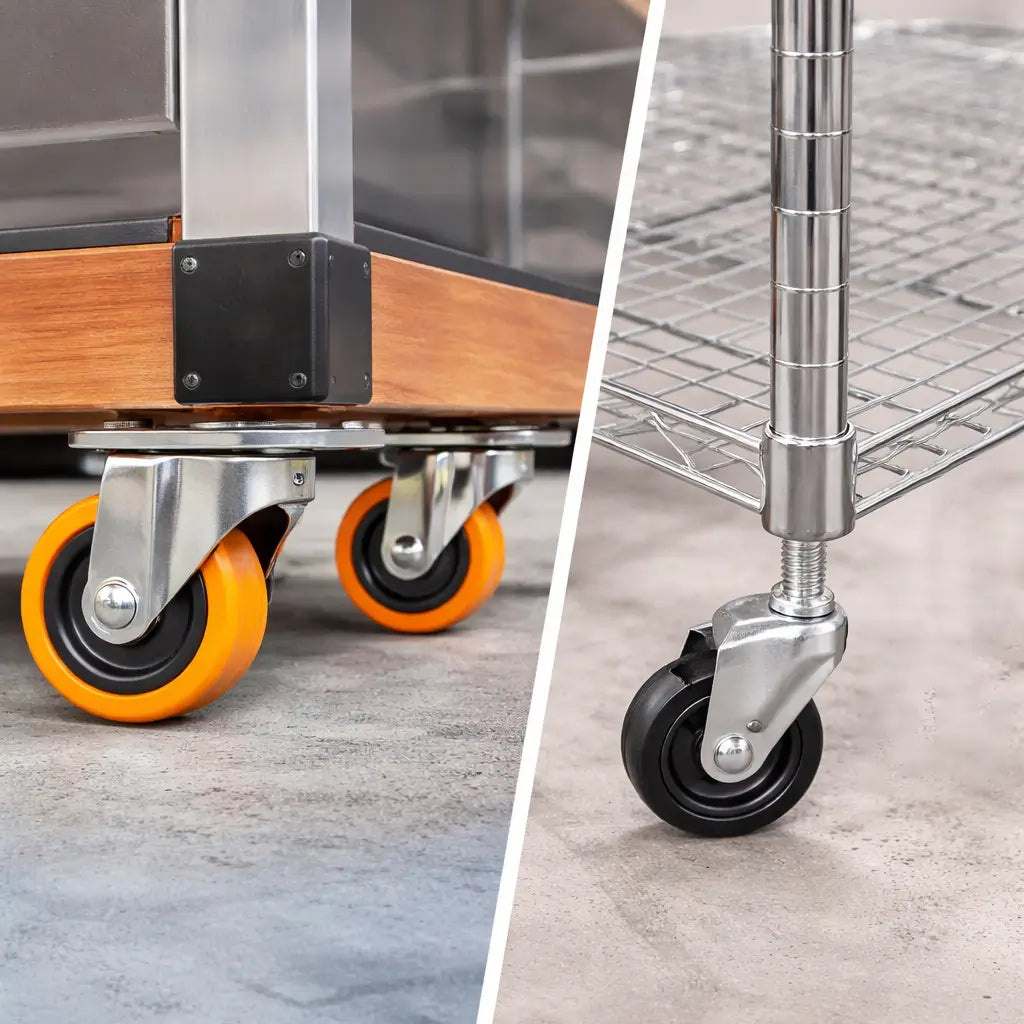
When equipment is mobilized, the wheel material is the only thing standing between the heavy load and your facility’s floor. Choosing the wrong material leads to costly repairs and maintenance.
Benefit: High-grade PU offers excellent load capacity, impact resistance, and is non-marking. It's the standard choice for general industrial settings with smooth concrete or epoxy floors.
Trade-Off: Lower-quality PU can "flat spot" under static, extreme load for long periods, potentially causing small dents when first moved. High-quality formulation and durometer (hardness) selection are critical.
Benefit: These materials offer the highest load ratings and are resistant to high heat (e.g., near ovens or welding bays).
Trade-Off: They are hard and abrasive. Use them only on highly durable, non-sensitive flooring (like unfinished concrete) or when the mobility is infrequent, as they pose the greatest risk for chips, scuffs, and noise.
Retractable casters inherently mitigate the two biggest risks of stationary heavy equipment: flat spotting and premature bearing failure.
Eliminating Flat Spotting: When the casters are retracted, the load is transferred from the relatively soft wheel material (like PU) to a durable, low-profile stabilization pad or foot. This prevents the wheel from deforming under pressure over time, ensuring a smooth, damage-free roll when the casters are extended.
Isolation from Contaminants: In the retracted state, the casters are raised off the ground. This protects the precision bearings and swivel housing from dirt, metal shavings, and corrosive liquids common on factory floors, dramatically extending the wheel's maintenance-free lifespan.
For heavy industrial applications, the mechanism that engages the mobility must be as robust as the load it carries.
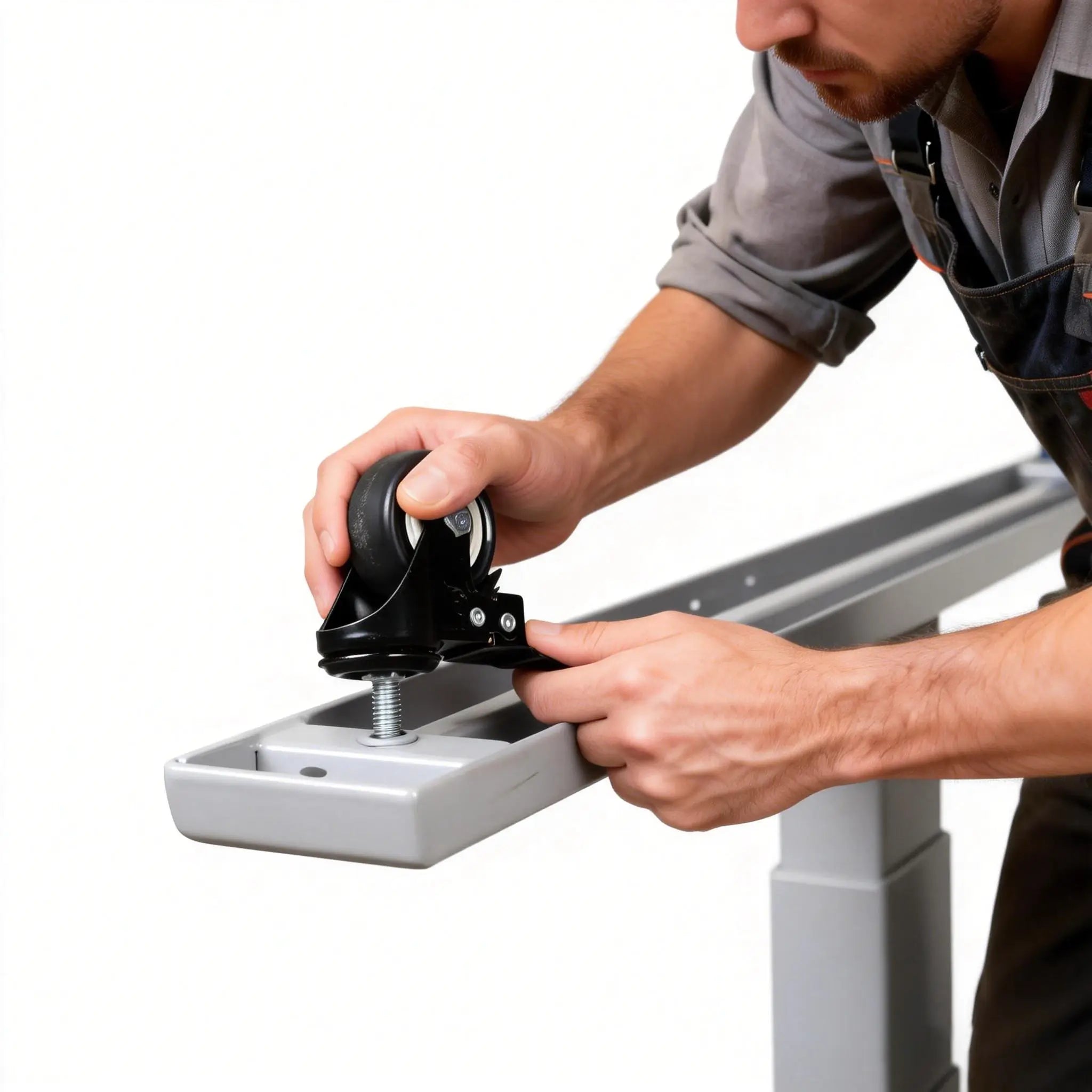
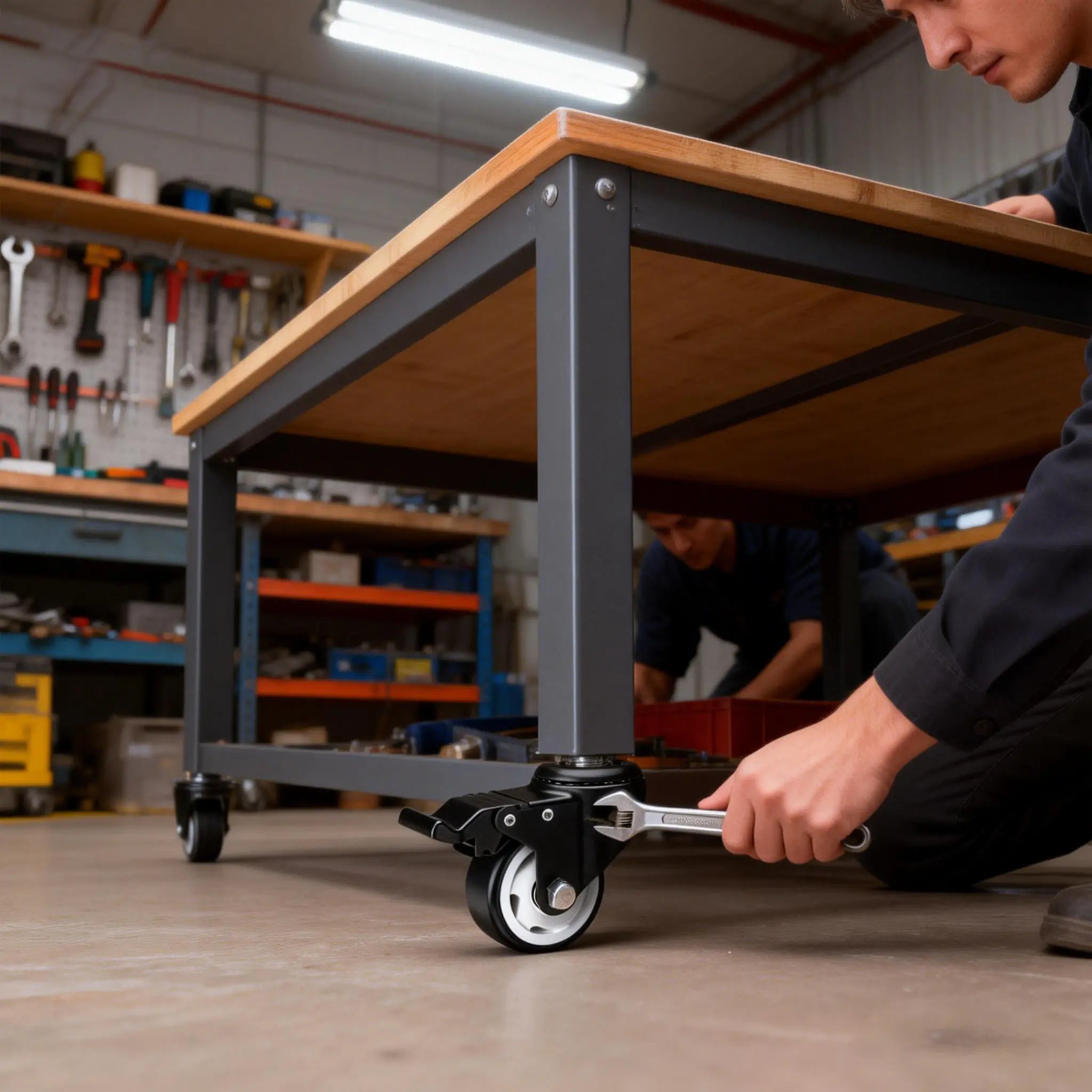
Lever/Foot-Operated (High Frequency): Best for workbenches, parts carts, or mobile fixtures that need frequent, rapid repositioning. They offer immediate lock-down but may require multiple casters per corner for ultra-heavy loads.
Hydraulic/Pneumatic Assisted (Extreme Load): Used for extremely heavy machinery (e.g., several thousand pounds). These systems allow a controlled, even lifting and lowering of the massive load, reducing the strain on the casters during engagement and disengagement.
Choosing retractable casters for heavy industrial equipment is a delicate engineering decision. It requires balancing the need for massive load support with the imperative to protect expensive facility infrastructure. By correctly matching the wheel material to the floor and selecting a retraction mechanism suitable for the load frequency and weight, businesses can achieve optimal operational flexibility without incurring the high costs of floor repair or equipment damage.

What Are the Best Materials for Heavy-Duty Wheel Casters?
Defining High-Quality Retractable Casters for Industrial ROI