
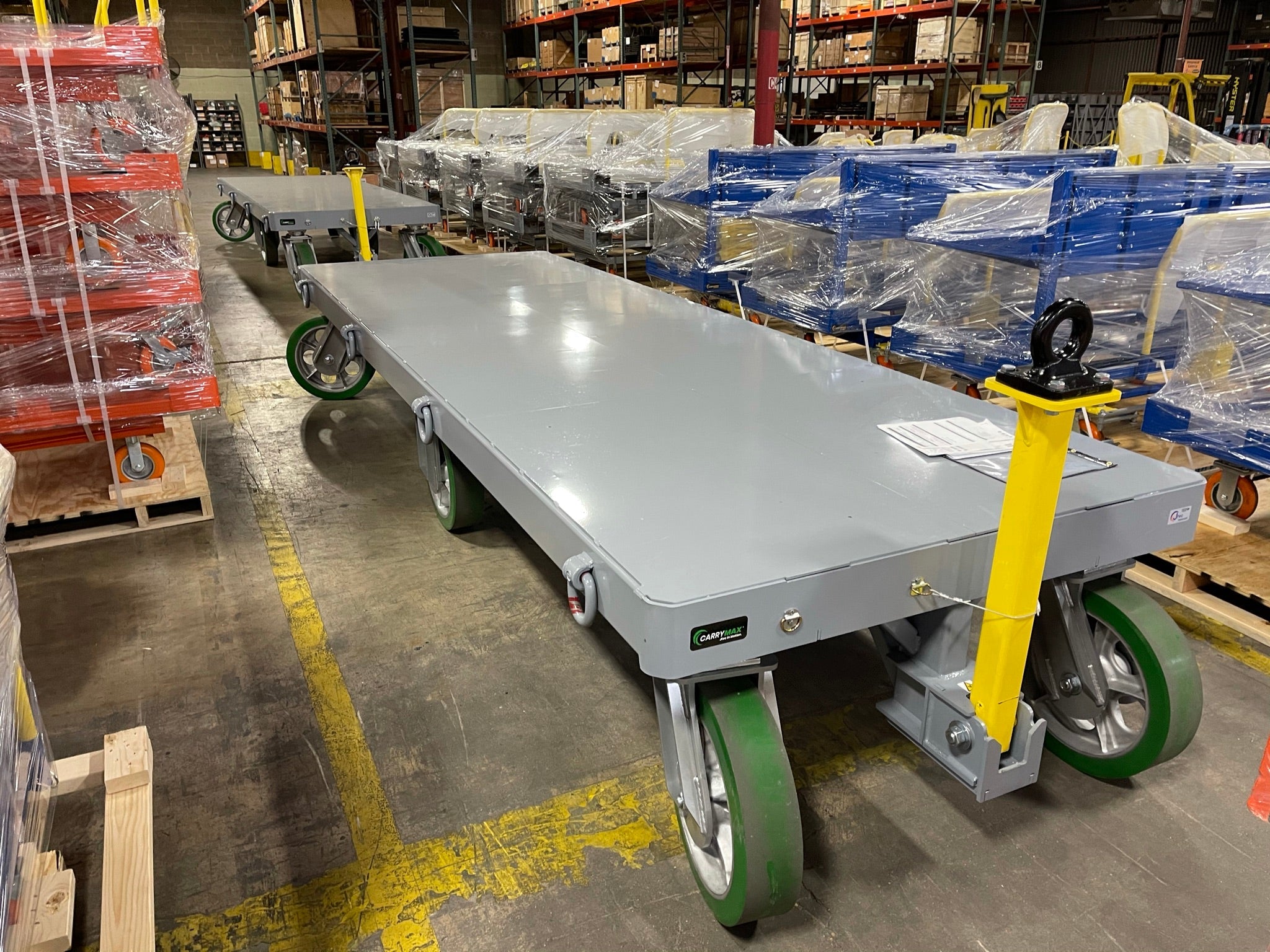
Wheel casters are essential components for various applications, from industrial equipment to office chairs. While they are built to endure heavy loads and provide smooth mobility, regular maintenance is key to ensuring their long-term performance. Proper care extends the lifespan of wheel casters and prevents issues like excessive wear, reduced mobility, and potential safety hazards.
In this article, we’ll explore step-by-step guidance on maintaining wheel casters.
Wheel casters endure daily wear and tear, often carrying significant weight over various surfaces. Regular maintenance ensures:
Frequent inspection is the foundation of proper caster maintenance. Check for the following:
For industrial casters, inspections should be more frequent due to higher load demands.
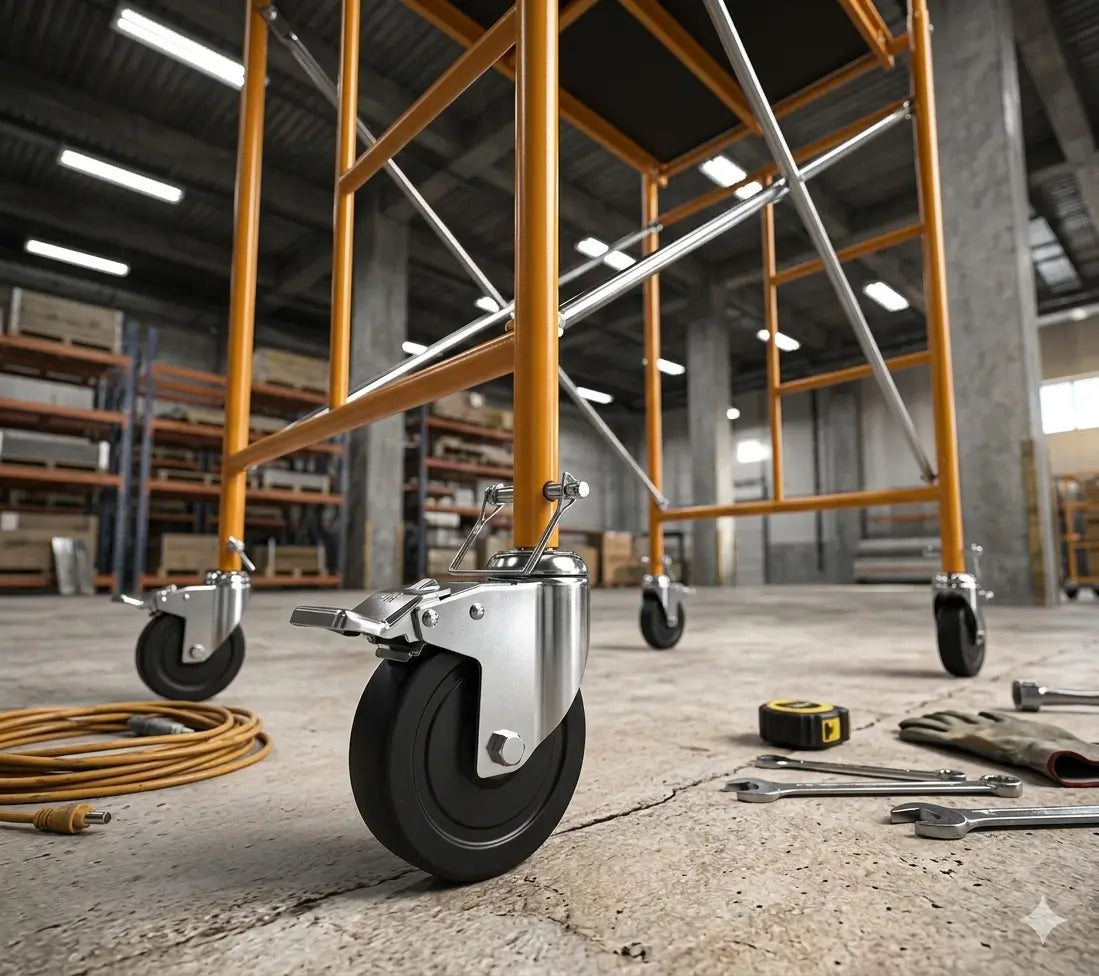
Dirt and debris can hinder the smooth operation of wheel casters. Cleaning is an essential step, especially for applications like industrial or retractable casters, which are exposed to harsh environments.
Steps to Clean Casters:
Proper lubrication keeps the wheels rolling smoothly and prevents rust on metal components. Focus on these areas:
Tip: Use a lubricant that suits the caster's environment, such as a heat-resistant option for high-temperature settings.
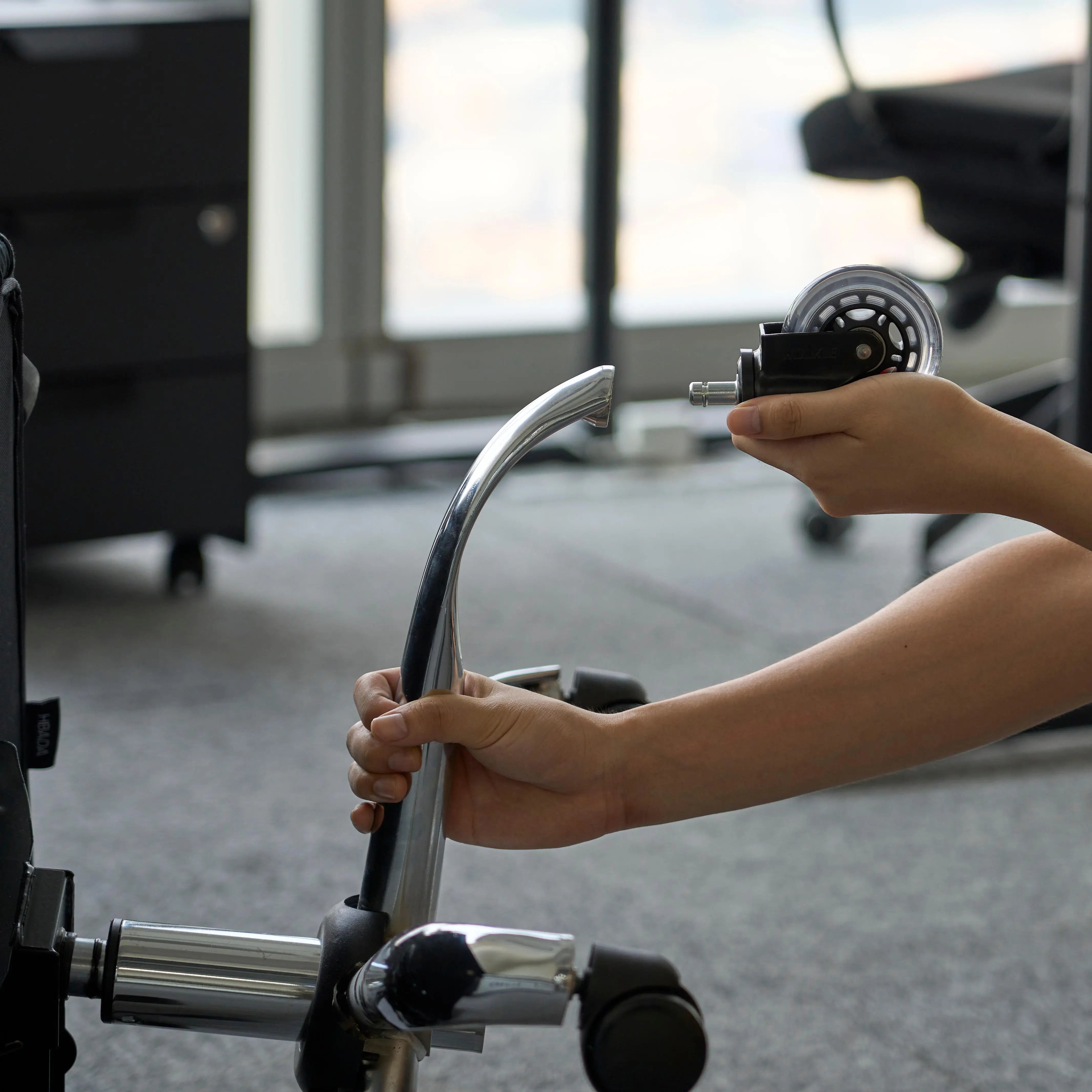
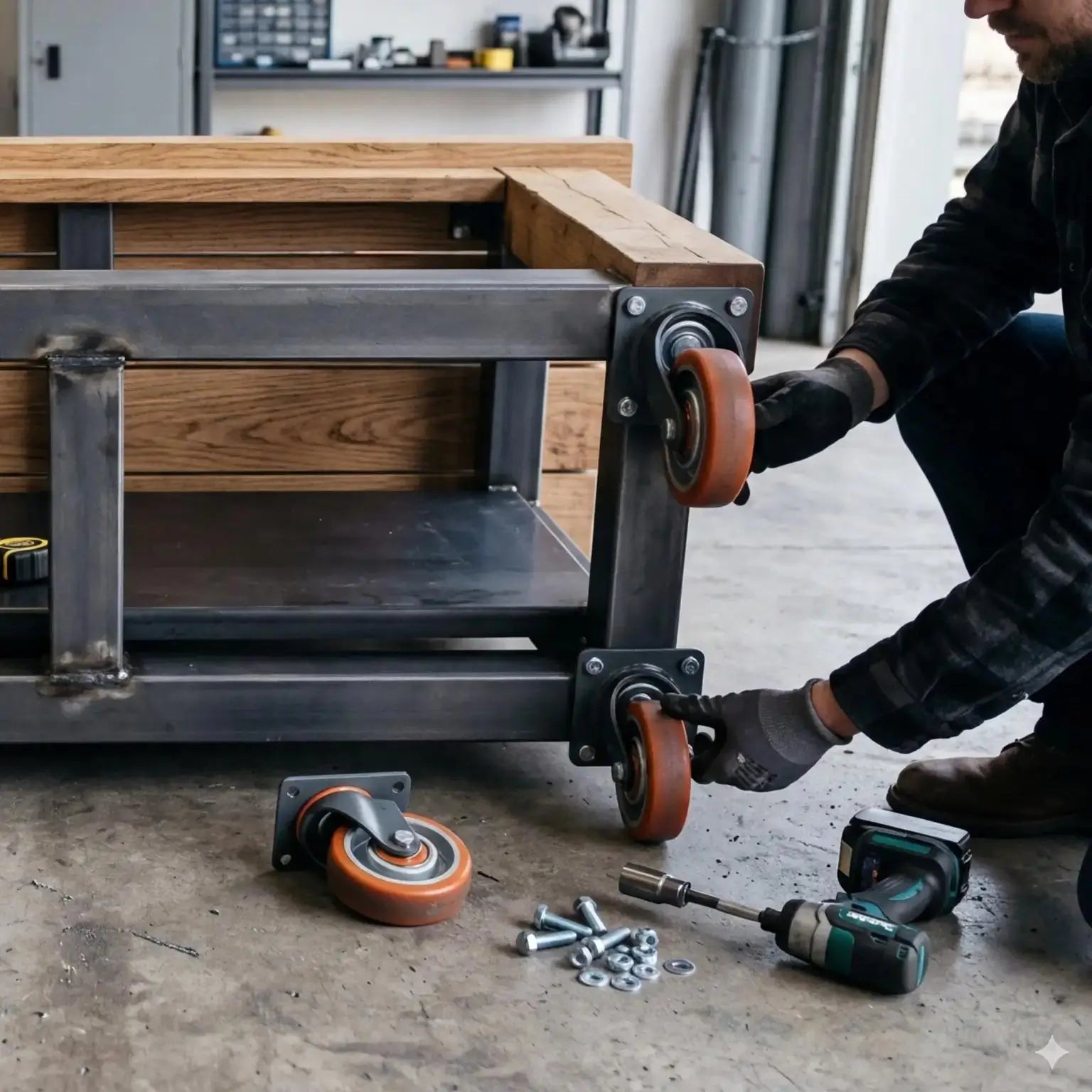
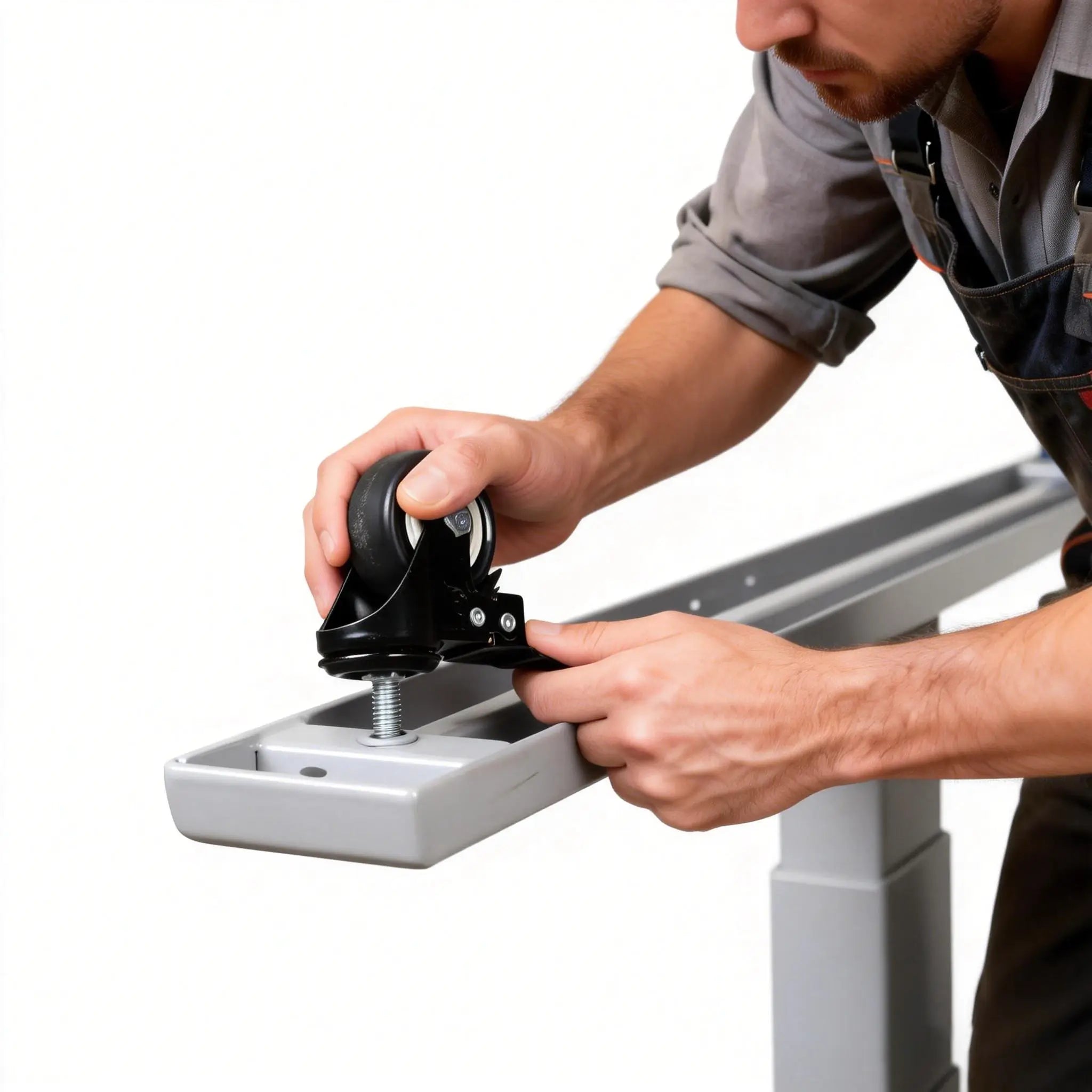
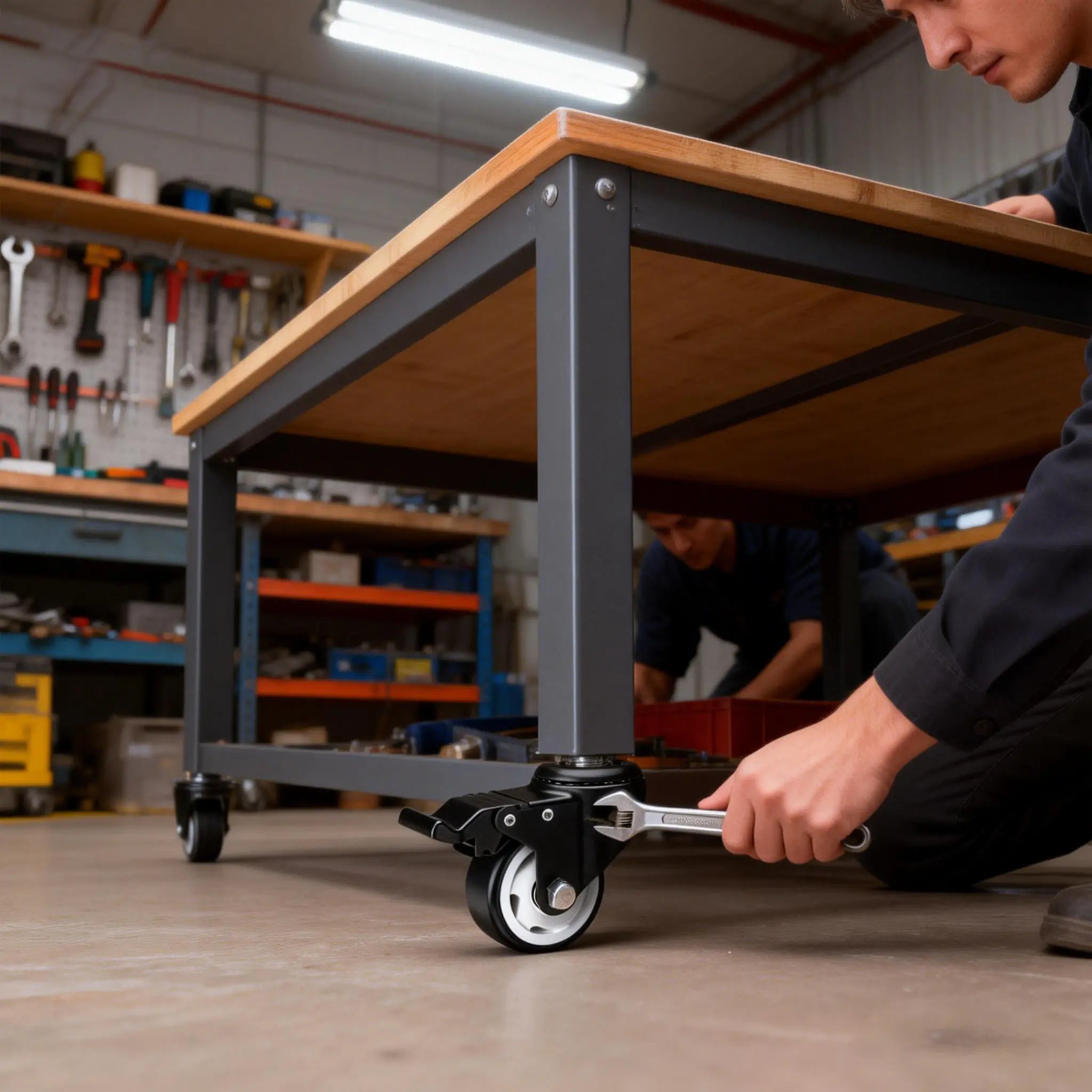
Misaligned casters can cause uneven wear, difficulty in steering, and potential floor damage. During inspections, ensure all casters are aligned correctly and mounted securely.
Over time, some components may wear out or become damaged beyond repair. Replace these parts promptly:
Casters used in harsh environments, such as industrial settings or outdoors, may require additional care:
Matching the caster to its environment reduces maintenance needs and prolongs lifespan.
Industrial casters, especially heavy-duty and retractable casters, experience significant stress and require additional care.
Avoid exceeding the weight limit of the caster. Overloading causes excessive wear, reduces maneuverability, and increases the risk of failure. Distribute weight evenly across all casters.
In high-temperature environments, frequent inspections are necessary to prevent material degradation. Use temperature-resistant lubricants and clean casters more often.
For outdoor or wet environments, apply anti-corrosion coatings to metal components and use rust-resistant materials like stainless steel or aluminum.
Routine maintenance is essential for extending the lifespan of your wheel casters. Neglecting care can lead to premature failure, increased operational costs, and potential safety hazards. By following a regular maintenance schedule, you can ensure that your casters provide reliable performance for years.
Maintaining wheel casters is a straightforward process that significantly impacts their durability and performance. Regular inspections, thorough cleaning, proper lubrication, and prompt replacement of worn components are all critical steps in ensuring your casters last as long as possible.
For industries relying on heavy-duty or retractable casters, tailored maintenance practices like corrosion prevention and load management are essential. Whether you’re using casters in a warehouse, hospital, or office, proper care is the key to achieving safe, cost-effective, and reliable mobility solutions.
By implementing these maintenance tips, you’ll maximize the efficiency of your wheel casters and reduce the need for costly replacements.


What Are the Benefits of Using Wheel Casters in Industrial Applications?
What Are the Best Materials for Heavy-Duty Wheel Casters?