
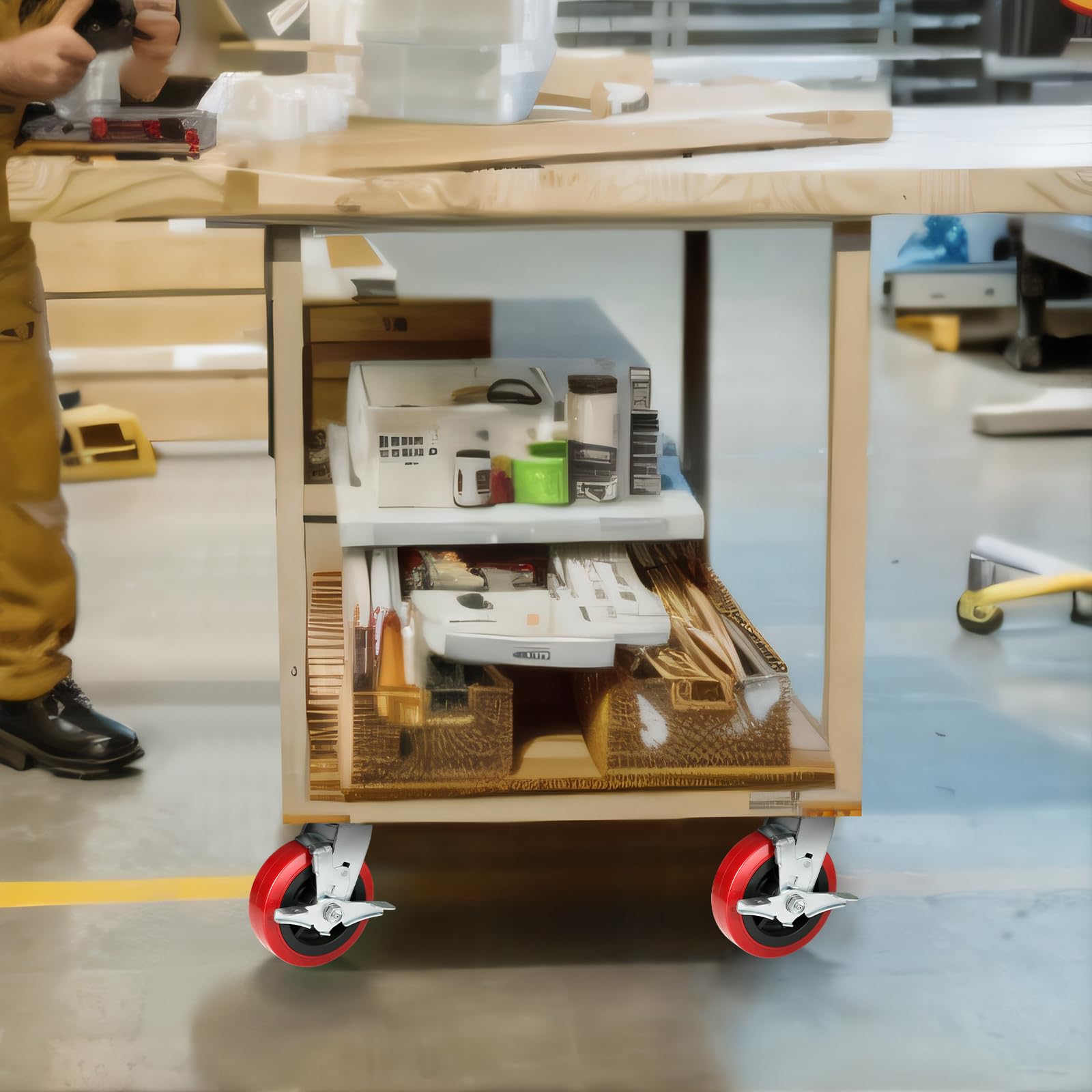
In the world of mobility solutions, the terms "casters" and "wheels" are often used interchangeably, leading to confusion about their differences. While both play a crucial role in enabling movement, they serve distinct purposes and have unique characteristics. Let's explorethe difference between casters and wheels to gain a clearer understanding of their roles and applications.
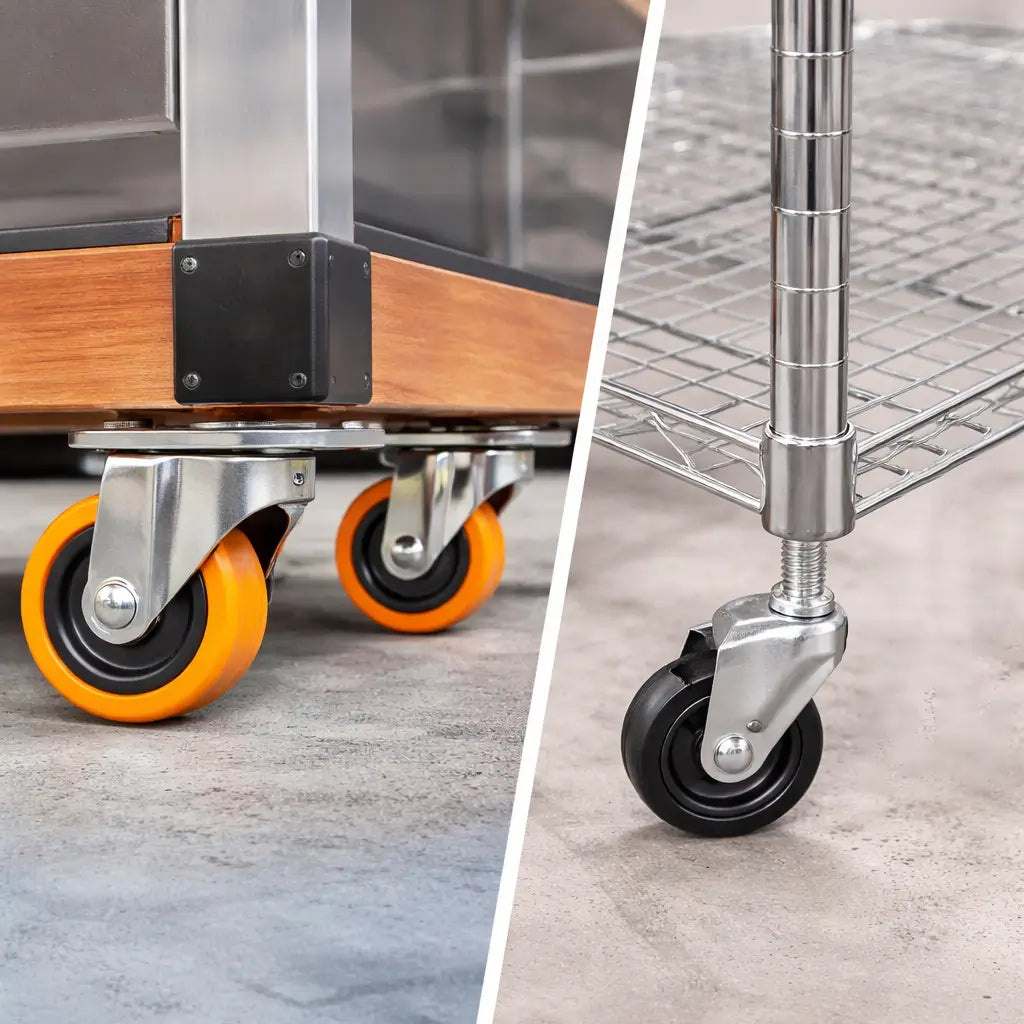
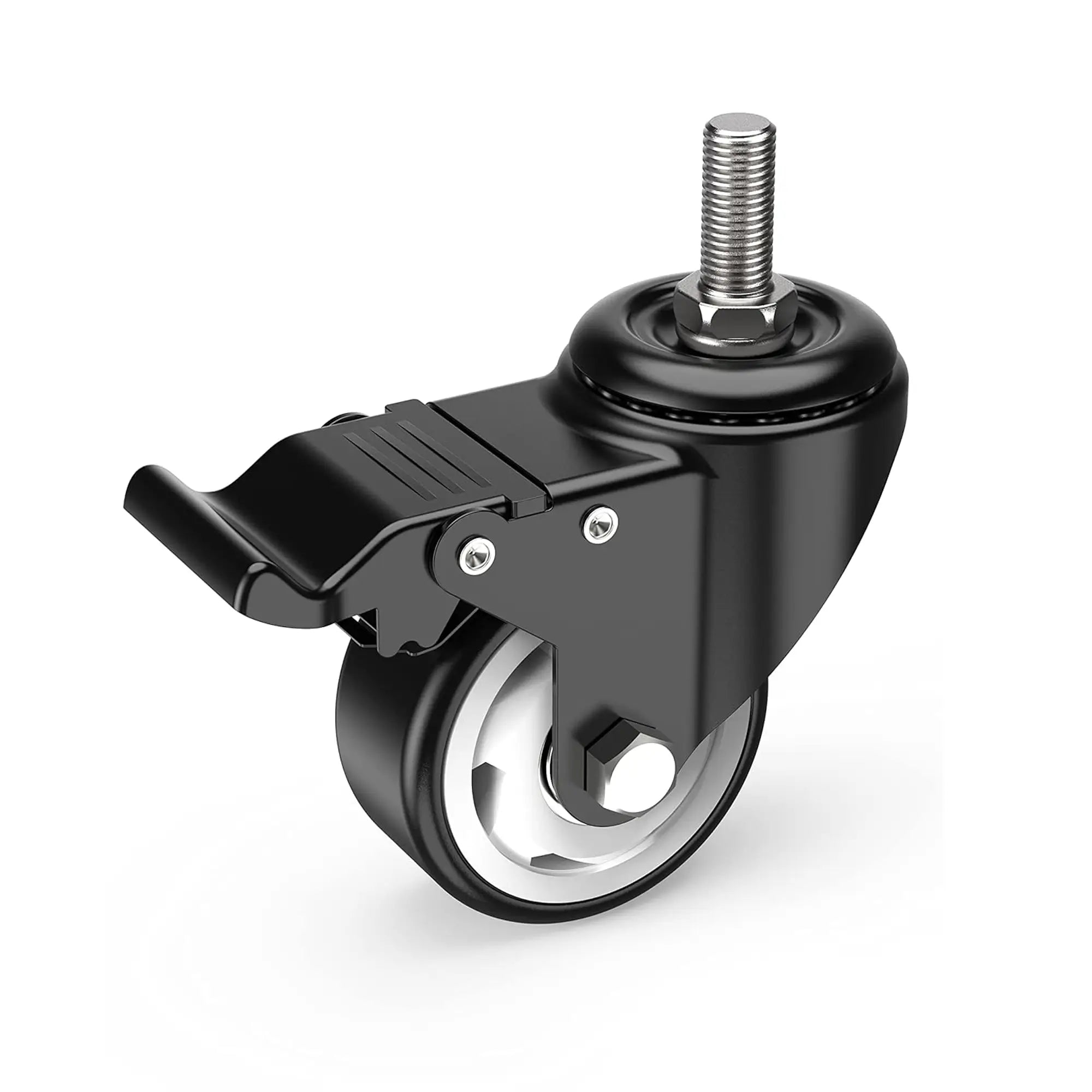
Casters are complete wheel assemblies that include a wheel mounted to a bracket, housing, or frame. They are designed to provide 360-degree rotation, allowing for easy movement in any direction. Casters typically consist of a wheel, axle, bearings, and mounting system.
Rigid Casters: These casters do not swivel and are designed to move in a straight line. They provide stability and are often used in combination with swivel casters for optimal maneuverability.
Swivel Casters: Swivel casters have a swivel mechanism that allows the wheel to rotate 360 degrees, enabling movement in any direction. They are ideal for applications that require tight turns or changes in direction.
Casters are used in a wide range of applications, including:
Furniture: Casters are commonly found on chairs, tables, and carts, allowing for easy movement and reconfiguration of furniture.
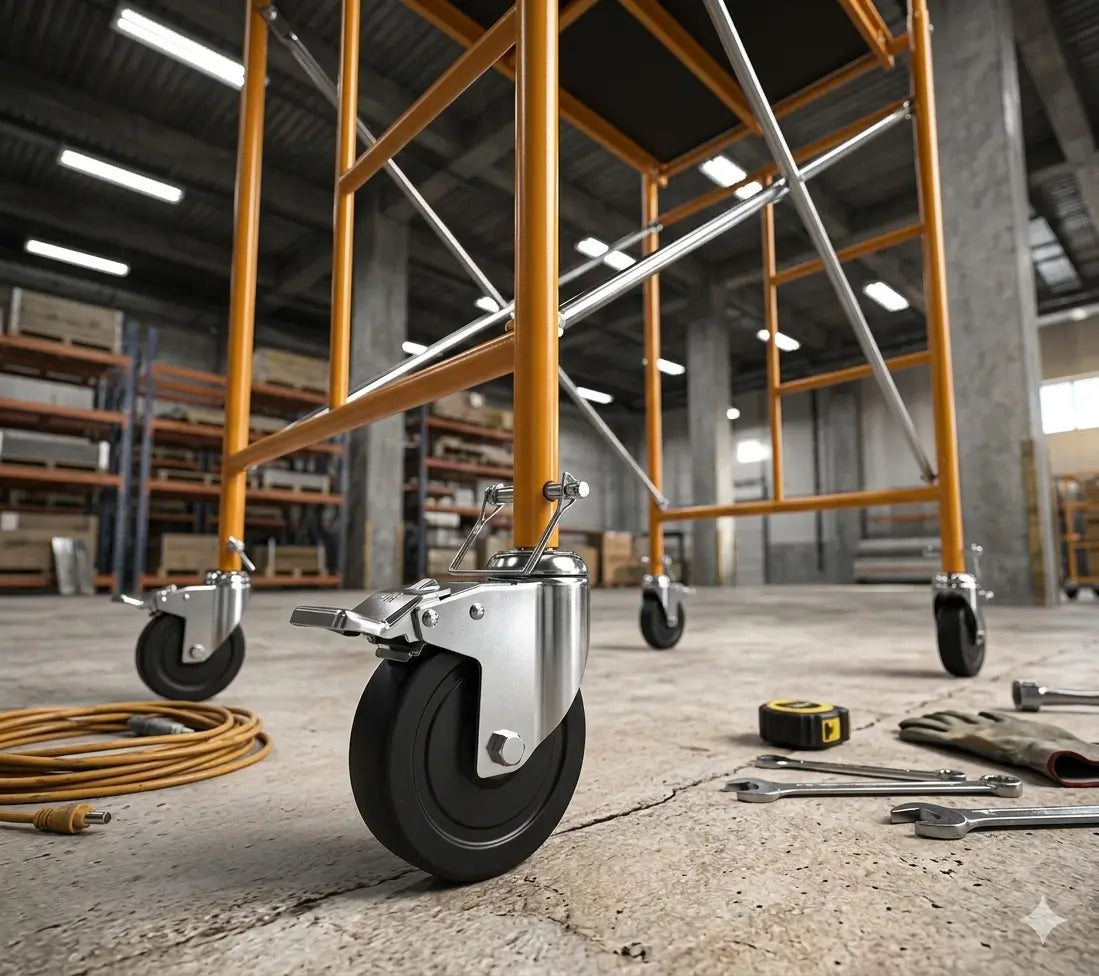
Material Handling: Casters are used on carts, dollies, and other material handling equipment to facilitate the movement of goods in warehouses, factories, and retail stores.
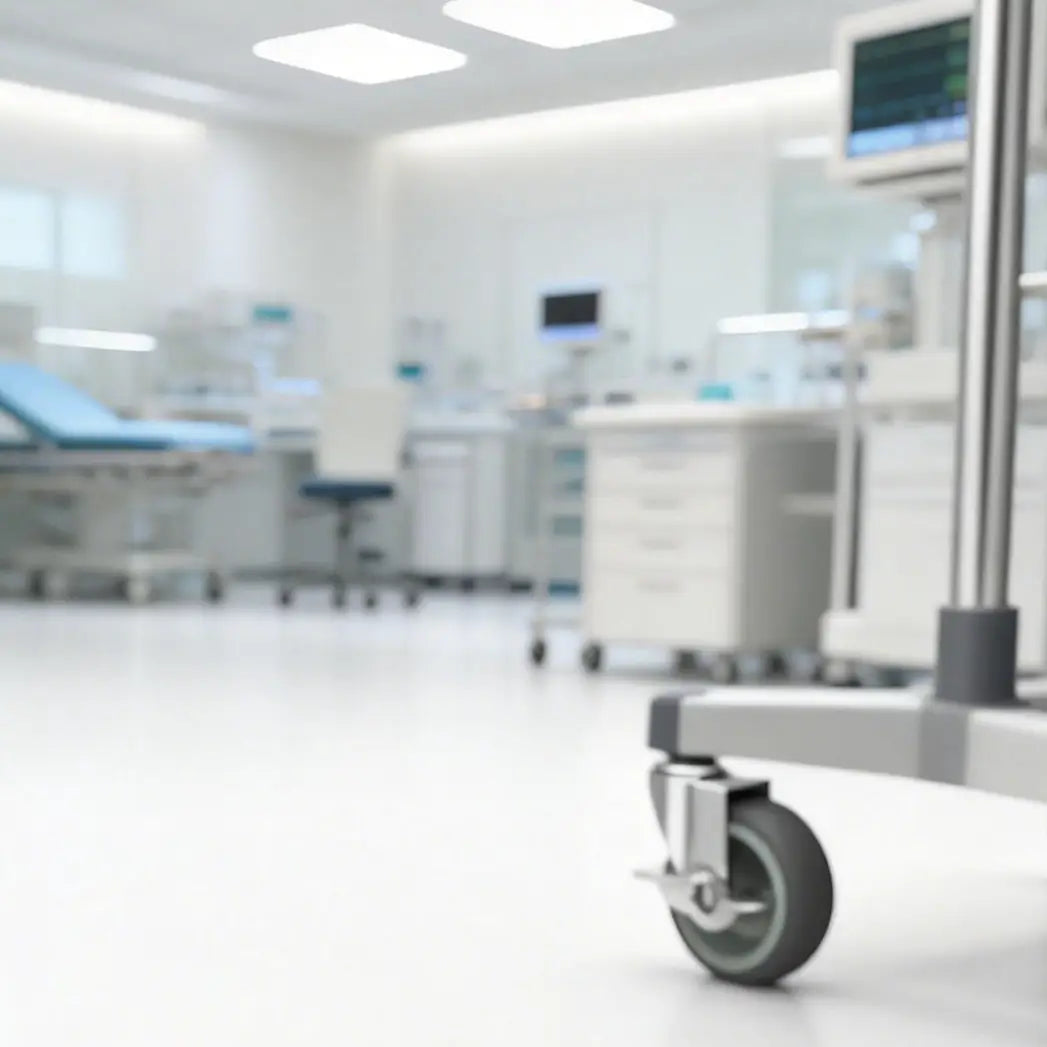
Medical Equipment: Casters are used on medical carts, beds, and chairs in healthcare settings for easy transport of patients and equipment.
Wheels are the circular components that make contact with the ground and provide the rolling motion needed for movement. They are typically made of materials such as rubber, polyurethane, or metal and can vary in size, tread pattern, and load-bearing capacity.
Fixed Wheels: Fixed wheels do not swivel and are designed to move in a straight line. They are often used in applications where movement in a specific direction is required.
Swivel Wheels: Swivel wheels can rotate 360 degrees, allowing for movement in any direction. They are commonly used in applications that require maneuverability and flexibility.
Wheels are used in a wide range of applications, including:
Vehicles: Wheels are integral components of cars, trucks, and other vehicles, providing the traction and support needed for movement.
Machinery: Wheels are used on machinery and equipment in industrial settings, allowing for easy transport and movement of heavy loads.
Sports Equipment: Wheels are used on bicycles, skateboards, and other sports equipment, providing the ability to roll smoothly on various surfaces.
Casters provide both mobility and steering capabilities, allowing for easy movement in any direction. Wheels, on the other hand, provide only mobility and require a separate steering mechanism for directional control.
Casters are mounted to a bracket, housing, or frame, which allows for easy installation and removal. Wheels are typically mounted directly to an axle or shaft.
Casters are used in applications where both mobility and steering are required, such as furniture and material handling equipment. Wheels are used in applications where only mobility is needed, such as vehicles and machinery.
While casters and wheels are both essential components in enabling movement, they serve distinct purposes and have unique characteristics. Casters provide both mobility and steering capabilities, making them ideal for applications that require easy movement in any direction. Wheels, on the other hand, provide only mobility and are used in applications where directional control is not necessary. Understanding the differences between casters and wheels can help in selecting the right component for a specific application, ensuring optimal performance and efficiency.






Navigating the Downsides: Exploring the Disadvantages of Caster Wheels
Decoding the Dimensions: A Guide to Measuring Stem Caster Wheels