
- by StephensonRyan
Navigating the Challenges: 9 Key Considerations for Choosing Heavy Duty Casters
- by StephensonRyan
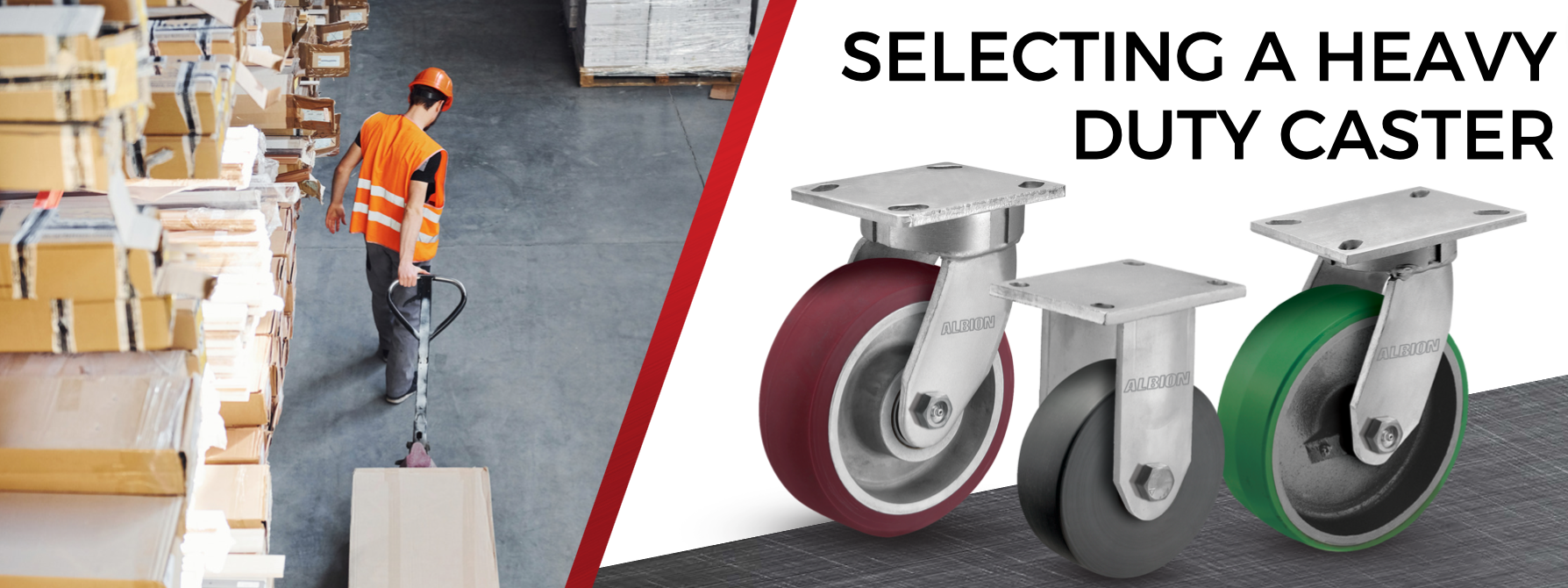
Moving heavy equipment poses unique challenges that demand careful consideration when selecting the right casters. Here are nine essential factors to guide you in making the optimal choice for heavy duty casters:
Ensure the casters' weight capacity aligns with the load your heavy equipment will bear. Categorize casters into light duty (up to 500 lbs), medium duty (501 to 2,000 lbs), and heavy duty (over 2,000 lbs) based on your specific needs.
Opt for larger wheels (at least eight inches in diameter) for easier mobility. Wider wheels, with a minimum width of three inches, provide enhanced strength to support heavier loads effectively.
Select wheel materials suitable for your application. Polyurethane, known for its durability and debris resistance, is recommended to prevent floor damage and reduce maintenance efforts.
Address the challenge of high rolling resistance by choosing casters with an extended swivel lead. This feature reduces the effort required to push, pull, and maneuver heavy loads, minimizing the risk of physical strain.
Kingpins are crucial components, and opting for high-quality rigs, such as those with forged kingpins, prevents premature failures. Cheap alternatives may result in increased costs and downtime.
Prioritize casters with minimal maintenance requirements. Look for designs that naturally keep debris out of the raceway and eliminate the need for regular greasing, ensuring better performance and longevity.
Determine the appropriate number and type of casters for your heavy equipment. Consider using at least six casters – four swivel casters at each corner for maneuverability and two rigid casters for directional control.
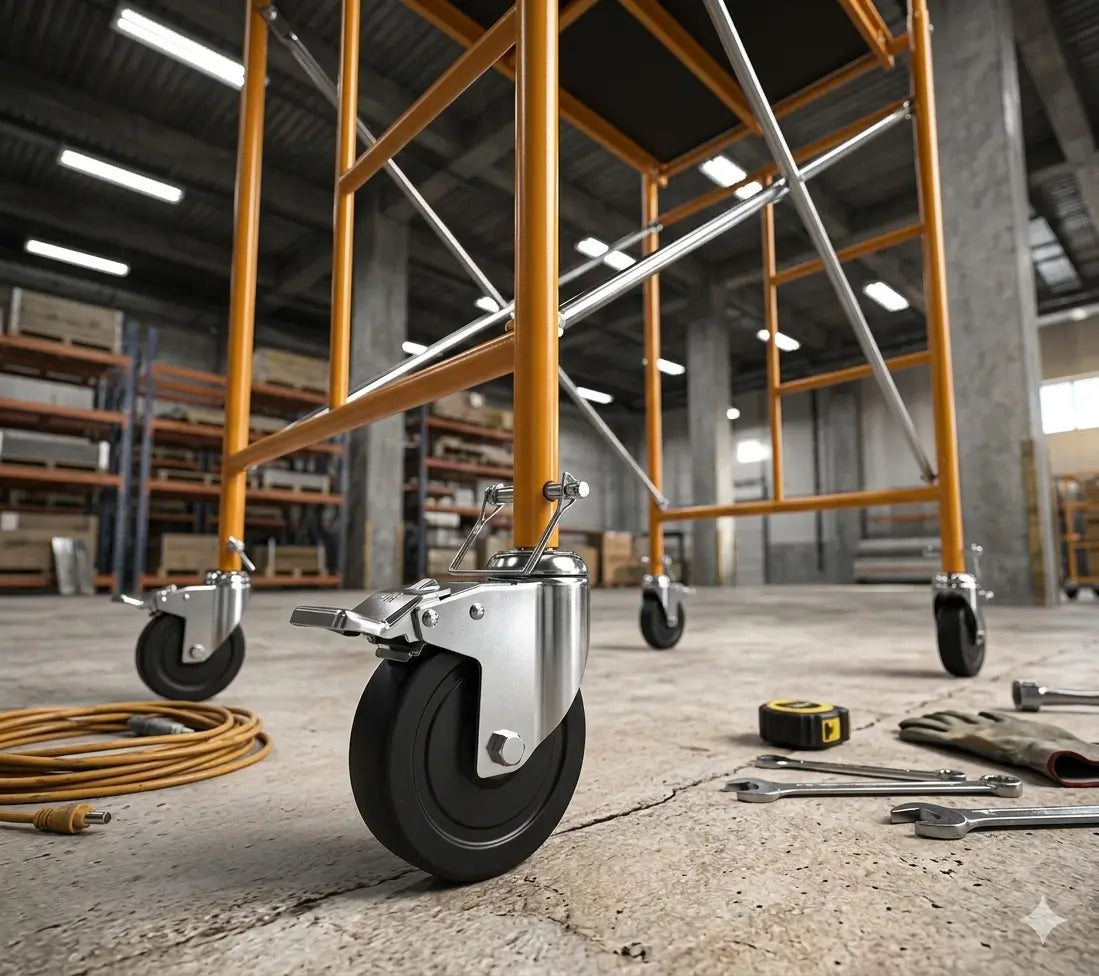
sing heavy duty casters equipped with brakes. These brakes lock the wheels in place when stationary, preventing unintended movement and potential hazards.
Collaborate with a reputable caster manufacturer with technical expertise. Seek a company that offers more than just standard wheels and swivels, aiming for a consultative approach to address specific challenges associated with moving heavy equipment.
The process of choosing heavy duty casters demands a comprehensive approach. By considering these nine factors and consulting with a reliable manufacturer, you can navigate the challenges effectively, ensuring a smooth and safe movement of your valuable equipment.


Selecting the Perfect Caster for Your Needs
What Are the Different Types of Retractable Casters?